In this article
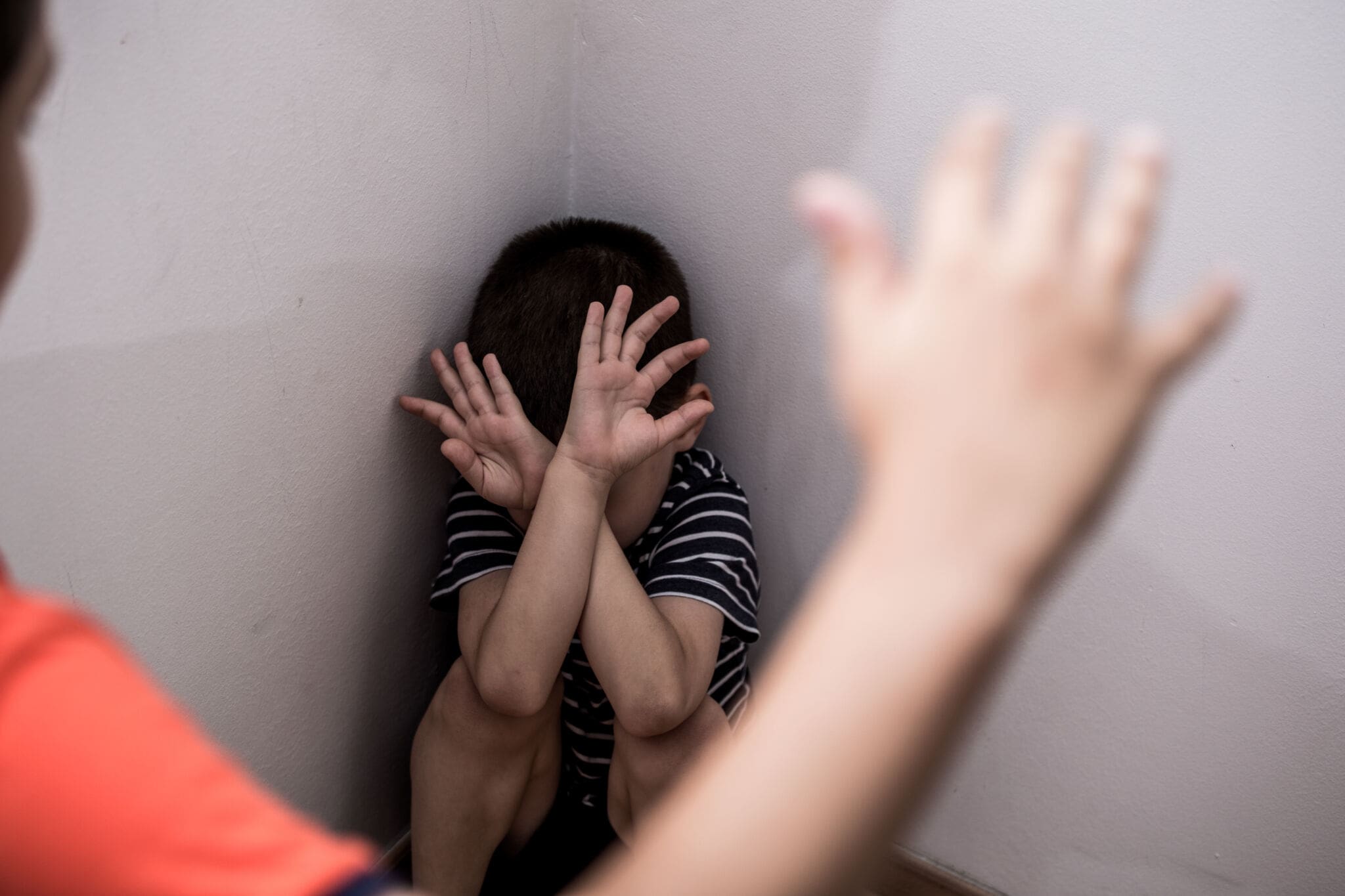
Neglect often involves a child’s needs going unmet over time, affecting their health, development, learning and sense of safety. Because it can develop gradually, it may be overlooked or seen as normal, especially where families are dealing with pressures such as poor housing, ill health, substance misuse, domestic abuse or isolation.
This guide is designed for people who spend time with children – parents, carers, teachers, early years practitioners, sports coaches, tutors, health staff and volunteers. It explains what neglect can include, the signs you might notice at different ages, and what to do if you feel worried. It also covers how to record concerns responsibly, when to seek urgent medical help and what typically happens once you make a safeguarding referral.
Before we start, it’s important to remember that a single “sign” does not prove neglect on its own. Children can look unkempt after a chaotic morning, act withdrawn after a bereavement, or struggle with attendance because of transport problems. So, it’s important to monitor different events for a pattern forming and assess issues based on their severity.
What is child neglect?
Neglect is a form of child abuse. In plain terms, it means a child’s essential needs are not met consistently or over time, putting their health or development at risk.
It can involve physical needs (food, warmth, supervision), emotional needs (love, attention, security), medical needs (treatment, medicines), or educational needs (attendance, support). It can also begin before birth if a pregnancy is affected by substance misuse or a severe lack of antenatal care.
Think of neglect as a pattern where a child’s needs are not met and this starts to affect them. A child with a parent who struggles may still receive safe, consistent care, but a child with “enough” food in the house may not get meals at regular times and become underweight, tired and anxious. Therefore, you need to look for what is missing, how often it happens, and how this is affecting the child.
Professionals often describe neglect as:
- Persistent – it happens repeatedly or continuously.
- Cumulative – the harm builds over time.
- Often hidden – it can look like “just how things are” for that child.
- Preventable – early help can reduce risk and improve outcomes.
Types of neglect
Neglect usually falls into overlapping categories, and many children experience more than one type at the same time. Understanding these different types helps you see the bigger picture.
Common types include:
- Physical neglect – inadequate food, clothing, warmth, hygiene, supervision or safe housing
- Emotional neglect – lack of responsive care, affection, attention, comfort or boundaries
- Medical neglect – missing appointments, not following treatment, not accessing healthcare when needed
- Educational neglect – poor attendance, no engagement with learning, no support for additional needs
- Supervisory neglect – leaving children alone, unsafe carers, failing to protect from hazards
Here are examples that people commonly see in real life:
- A primary-aged child regularly arrives at school without having had breakfast, seems dizzy by mid-morning, and asks other children for food.
- A toddler spends long periods in a dirty nappy, develops repeated nappy rash, and no adult responds quickly when they cry.
- A child has asthma but has no inhaler at school, no spacer, and the family does not respond to messages about medication.
- A young person has no safe place to sleep because the home has severe overcrowding or is in a state of dangerous disrepair.
- A child misses days of school repeatedly without explanation, and the family does not engage with attendance support.
Physical signs of neglect in children
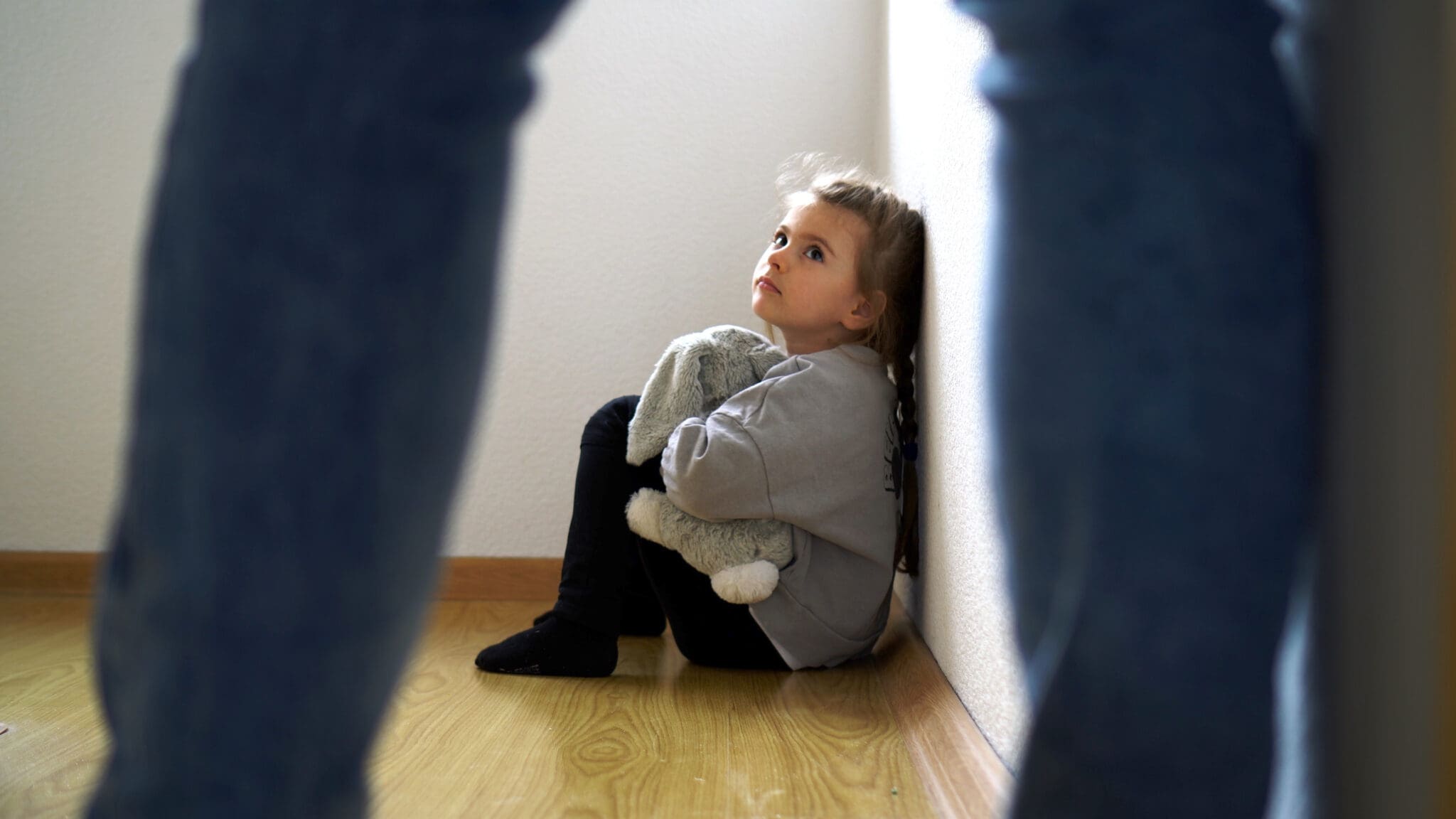
Physical signs can be easier to spot, but they still need to be interpreted carefully. A child can look tired because of a growth spurt, have dirty clothes after muddy play, or lose weight because of a medical condition. However, repeated physical indicators – especially alongside missed medical care, poor supervision or a child’s disclosure – can raise concern.
Physical signs you might notice over time include:
- Consistently poor hygiene – strong body odour, greasy hair, persistent dirt or repeated head lice with no sign of treatment
- Clothing that is inappropriate for the weather – no coat in winter, no sunhat in summer, a repeated lack of suitable shoes
- Hunger, poor weight gain, or signs of malnutrition – frequent complaints of hunger, hoarding food, or appearing underweight
- Untreated skin conditions or infections – severe eczema, scabies, sores, dental decay, or repeated impetigo
- Persistent fatigue – falling asleep in class, low energy, or looking exhausted most days
- Frequent minor injuries linked to lack of supervision – repeated burns, falls, or accidents in unsafe environments
- Poor physical development – delayed growth, low muscle tone, appearing significantly smaller than peers without a medical explanation
When you notice physical indicators, pay attention to frequency and response. For instance, a child may arrive unwashed once, and a parent might apologise and explain that the boiler in the home is broken. In contrast, if a child arrives unwashed most days, that suggests there’s a deeper problem.
Consider the environment too. Children living in damp, overcrowded or unsafe housing may show repeated chest infections, poor sleep and skin problems. Those issues can sit alongside poverty, yet they still signal a need for help, and sometimes for safeguarding action as well.
Behavioural signs of neglect
Neglect can shape behaviour because children adapt to survive. They may learn to be “invisible” to avoid conflict, or become controlling because they cannot rely on adults. Some children appear unusually mature, while others show behaviour that seems “younger” than their age.
Behavioural signs can include:
- Withdrawal, flat affect or low motivation – the child seems “checked out” or disengaged.
- Excessive clinginess or attention-seeking – they constantly seek reassurance from adults.
- Aggression or frequent conflict – they lash out quickly or struggle with boundaries.
- Poor concentration – they cannot focus, or their attention swings dramatically.
- Food-related behaviour – they hoard food, eat very quickly or steal snacks.
- Poor social skills – they have difficulty making friends, distrust of adults or fear of being touched.
- Risk-taking – they wander around or make unsafe choices, acting as if danger does not matter.
- Self-soothing behaviours – rocking, head-banging, thumb-sucking beyond typical age, or repetitive comfort-seeking.
Take note of how behaviour changes across contexts. A child who becomes very anxious on Fridays might be worrying about the weekend. Similarly, a child who relaxes and plays freely at school but becomes tense when a caregiver arrives may be signalling insecurity.
Keep in mind that neurodiversity, trauma, bereavement and mental health can also affect a child’s behaviour. Therefore, focus on patterns, triggers and whether the child’s actions make sense given what you know about their world.
Signs of neglect in babies and toddlers
Babies and toddlers rely on adults for everything, so neglect at this age can quickly have serious consequences, including in areas like attachment, brain development, growth and physical safety. At the same time, parenting a baby can feel overwhelming, particularly when carers feel isolated, depressed, unwell or unsupported. The right help can make a big difference, so noticing concerns early matters.
Possible indicators of neglect in babies and toddlers include:
- Poor weight gain, slow growth, frequent dehydration signs (such as fewer wet nappies than expected)
- Persistent nappy rash, untreated skin conditions, repeated infections
- Limited responsiveness from caregivers during distress – for example, prolonged crying with no comfort
- Developmental delays that seem linked to lack of stimulation – limited babbling, reduced interaction, delayed social responses
- Unsafe sleeping arrangements – for example, repeated reports of sleeping in hazardous situations or being left unsupervised
- Frequent missed health visitor checks or immunisations without explanation
- Lack of basic supplies, such as nappies, formula or safe clothing
In early years settings, you might also notice a toddler who:
- Arrives very hungry and eats as if they have not eaten in a long time
- Shows limited curiosity and seems passive, or alternately seems constantly “on edge”
- Has frequent accidents because no adult supports toileting or supervises play safely
- Avoids eye contact and does not seek comfort from familiar adults
Because babies cannot explain what is happening, adults often rely on health patterns and interaction cues. If you feel unsure, you can look at NICE guidance related to child abuse and neglect for evidence-based approaches to identification and response.
Signs of neglect in teenagers
Neglect can continue into adolescence, and it can also begin then, especially when family life becomes unstable. Teenagers may spend more time outside the home, so the signs can look different. Some young people also hide what is happening because they feel ashamed, loyal to their parents or worried about being taken away.
Possible indicators in teenagers include:
- Chronic tiredness, poor diet, significant weight changes
- Poor hygiene, persistent body odour, repeatedly wearing the same unwashed clothes
- Lack of supervision, including being left alone for long periods or having no safe adult contact
- Poor attendance or lateness, often linked to caring responsibilities, chaotic mornings or homelessness
- Risky behaviour – substance use, unsafe relationships, exploitation risk, staying out overnight
- Mental health concerns – depression, anxiety, self-harm, feeling hopeless
- Social isolation – withdrawal from friends, clubs and activities they once enjoyed
- Taking on a parenting role – looking after siblings, managing bills, acting as the “adult” at home
Teenagers can also experience “hidden homelessness”, such as sofa-surfing, perhaps because home does not feel safe or stable. They may say they are staying with friends “by choice”, but they may not have anywhere else to go.
If a teenager discloses neglect, respond calmly and take them seriously. You might say, “I’m glad you told me. I will need to share this with the safeguarding lead so we can help keep you safe.” If they need confidential support, you can signpost to Childline for free, 24/7 help.
Neglect vs poverty in the UK context
Poverty can make it harder for families to meet a child’s needs. It can affect access to heating, clothing, transport and, at times, food. But poverty on its own is not neglect. Many families with limited income still provide stable, attentive care.
At the same time, children growing up in poverty can experience harm. The focus should always stay on the child – what they are experiencing day to day, and whether their needs are being met.
A helpful way to approach this is to separate the reason a family is struggling from the impact on the child. Poverty may explain the pressure on a family. Neglect is about whether that pressure is leading to ongoing unmet needs or risk of harm.
In practice, when financial hardship is the main issue, you are more likely to see parents who are engaged and trying to manage. Basic needs may be met most of the time, even if the situation is stretched. When the family is able to access support – such as benefits advice, food support, debt help or housing advocacy – things often begin to improve.
Where neglect is present, the pattern tends to look different. Needs remain unmet over time, even when help is available. There may be avoidance or resistance that prevents support from being put in place. Serious risks may be played down, such as not seeking medical care or leaving a young child unsupervised. In some cases, the child takes on responsibilities that should sit with an adult.
There is not always a clear line between the two. Some families move between both situations. This is why it helps to start by understanding what is making things difficult and what support would make a practical difference. From there, the response can be matched to the level of risk to the child.
Common signs of neglect at school
Schools and colleges are often the first to notice patterns, simply because they see children regularly. Over time, small concerns can build into a clearer picture. At the same time, it’s important to avoid jumping to conclusions. Good safeguarding practice is based on what can be observed and recorded, rather than assumptions.
Common indicators in school settings include:
- Persistent absence, lateness or patterns such as repeated absences on Mondays or after holidays
- Arriving hungry, stealing food or relying on school meals as the only consistent meal
- Falling asleep in class, appearing unwell or showing signs of poor sleep and ongoing stress
- Poor concentration, low attainment or a noticeable drop in performance
- Inadequate clothing, or repeatedly missing PE kit, coats or basic supplies
- Not having lunch money, equipment or essential items for learning, with no improvement over time
- Frequent complaints of feeling unwell, with no evidence of medical follow-up
- Appearing anxious about going home, or being reluctant to leave at the end of the day
- Limited parental engagement, missed meetings or consistently unreachable contacts
Schools may also notice quieter signs that build over time:
- No response to messages or invitations to parents’ evenings
- Forms left unsigned, including consent for trips or medical plans
- Emergency contacts who cannot be reached when needed
Neglect is often cumulative, so while one late arrival on its own may not mean much, repeated lateness alongside hunger and a lack of response to support begins to show a pattern. Keeping brief, factual records helps staff track these changes over time and respond appropriately (more on this later).
Signs of emotional neglect
Emotional neglect can be harder to identify because there may be no obvious injury or single incident. Instead, it shows up in what’s missing – comfort, attention, interest, clear boundaries, and a sense that an adult will respond. Over time, this can affect a child’s self-esteem, relationships and ability to manage feelings.
It often involves a caregiver who does not respond to a child’s emotional needs in a consistent, warm way. This may be linked to factors such as overwhelm, depression, trauma or addiction. In some cases, the adult expects the child to cope independently or responds with rejection, ridicule or silence instead of reassurance. In others, the caregiver is physically present but emotionally unavailable, so the child stops seeking support from them.
Possible signs include:
- The child appears unusually withdrawn, anxious or fearful.
- The child shows low self-worth, says negative things about themselves, or expects rejection.
- The child struggles to name feelings, or seems numb and detached.
- The child is very eager to please, constantly apologises or seems terrified of making mistakes.
- The child does not seek comfort from adults, even when distressed.
- The child shows delayed social skills, distrustfulness or difficulty forming friendships.
- The child displays intense, unpredictable emotion, with limited ability to self-soothe.
You might also see a child relying on other children for comfort, food or guidance because adults don’t respond consistently. Over time, this can increase their vulnerability to exploitation, as the child looks for connection wherever they can find it.
Emotional neglect often overlaps with other forms of neglect, so it helps to consider what else may be missing. Does the child receive basic care? Do they feel safe at home? Is anyone protecting them from adult conflict, substance misuse or violence?
Signs of medical neglect
Medical neglect involves a child not receiving necessary healthcare. This might include not being registered with a GP, missing appointments, not giving prescribed medication, or delaying treatment when a child is clearly unwell.
Families may avoid healthcare for a range of reasons, including fear, past experiences, mistrust, language barriers or concerns about immigration status. It’s important to understand these barriers and offer support. At the same time, if a child’s health is at risk, safeguarding action may be needed.
Possible signs include:
- Repeated missed GP, hospital, dental or therapy appointments with no clear reasons
- Long-standing untreated conditions, such as severe dental decay, infected eczema or poorly managed asthma
- Not collecting prescriptions, or a child repeatedly arriving without essential medication.
- Delaying urgent medical care when, for example, the child has breathing difficulty, a severe injury or a serious infection
- Poor follow-through after discharge, such as no wound care or missing follow-up appointments
- A caregiver refusing consent for clearly necessary treatment without a safe, credible plan
If you work with children, inconsistency can be a useful clue. A child’s health may improve when they are in school or with another caregiver, then worsen again when they return home. You may also notice that services are used in crisis (i.e., frequent A&E visits), without consistent follow-up.
Signs of educational neglect
Educational neglect involves a child missing out on learning because they are not supported to access education.
It may include persistent non-attendance, refusal to engage with schoolwork or failure to arrange suitable education for a child who cannot attend mainstream provision. It can also involve a lack of support for special educational needs, for example, when assessments are blocked or reasonable adjustments are refused without exploring alternatives.
Possible indicators include:
- Persistent absence or lateness, often without explanation or improvement
- No response to attendance meetings, calls or letters
- Repeated failure to provide what the child needs to attend, such as uniform, transport plans or medication
- No engagement with learning support, especially where the child has clear additional needs
- A child not being enrolled in education, or “missing education” patterns
- The child frequently moves schools, with gaps in education and no clear reason
Educational neglect can overlap with exploitation risk. For example, a teenager who is not attending school may be unsupervised during the day, which increases vulnerability to grooming, criminal exploitation or sexual exploitation. This means attendance concerns are not just an education issue – they may indicate a risk to the child’s safety or well-being.
How to record concerns safely
Good safeguarding decisions rely on good information. But just because you’re recording your concerns doesn’t mean you’re building a “case”. You’re simply capturing what you saw and heard, so the child can get the right help at the right time. Records also protect you, because they show that you acted responsibly.
Aim for notes that are factual, timely and confidential.
What to include:
- Date, time and place
- Who was present
- What you observed, using clear language (for example, “Sam arrived in a t-shirt on a day when the temperature was 2°C”)
- What the child said, in their exact words, if they disclose something (use quotation marks)
- Any physical signs you noticed (for example, “Bruise approx. 4cm, purple-yellow, left upper arm”).
- What you did next (for example, “Informed DSL at 10:35, spoke to parent at collection”)
- Any immediate risks and actions taken (for example, “Child appeared dizzy, given snack, first aid check, parent advised to seek medical advice”)
What to avoid:
- Diagnosing, labelling or guessing motives (for example, “Parent doesn’t care”).
- Emotional language that blurs facts (for example, “Terrible state”).
- Sharing information widely – safeguarding records need strict access control
Use secure storage and follow your setting’s data protection policy. Under UK GDPR, safeguarding records have a clear lawful basis, but you still need to keep them proportionate and secure. If you work in a school or early years setting, record concerns on your approved system and involve the designated safeguarding lead (DSL) promptly.
Parents and neighbours can keep simple records. For example, you might note dates when a child appears alone late at night or repeatedly asks for food. If you later speak to professionals, these details can help them understand patterns.

When to call 999 or 111
Safeguarding concerns can overlap with urgent health or safety risks. If you believe a child is in immediate danger, act straight away – don’t wait to gather more evidence.
Call 999 if:
- A child is in immediate danger. For example, they are at risk of assault, abandonment or being left somewhere unsafe.
- A child has a life-threatening medical emergency, such as severe breathing difficulty, unconsciousness, ongoing seizures or major bleeding.
- You believe a serious crime is happening, so urgent police support is needed.
Call 111 (or use 111 online) if:
- A child is unwell and you need urgent medical advice, but it’s not life-threatening.
- You are unsure whether the child needs A&E or can wait for a GP.
- You need out-of-hours advice and cannot access usual services.
If there is no immediate emergency but you are concerned about neglect, you should still report it, especially if the risk feels ongoing or significant.
How to report concerns
You do not need proof to report a concern. If something feels wrong based on what you have seen, heard or been told, it’s okay to raise it.
If you work with children, follow your organisation’s safeguarding policy. In most settings, this means telling your DSL, or deputy, as soon as possible. They will decide the next steps, such as seeking early help or contacting children’s social care. If you believe no action is being taken and a child is at risk, you can contact children’s social care or the police directly, and follow your organisation’s whistleblowing process.
If you are a parent, relative, neighbour or member of the public, call 999 if a child is in immediate danger. Otherwise, contact the local council children’s social care team.
In England, the GOV.UK page to report child abuse to a local council can help you find the right contact. You can also contact the NSPCC helpline (0808 800 5000) for advice. Children and young people can contact Childline (0800 1111) for support.
What to include when reporting
Try to share clear, factual information:
- The child’s name, age and address, if known
- Your relationship to the child (e.g., teacher, neighbour)
- What you have observed, and when
- Any immediate risks
- Details of siblings or other children in the home
- Your contact details, if you are willing to provide them
Stick to what you know. If poverty is part of the situation, it can help to mention what practical support may be needed, such as help with benefits, food or housing. This makes it easier to match the response to the child’s situation.
What happens after a safeguarding referral?
People often hesitate to report concerns because they assume children’s services will immediately remove a child from their home and family. In reality, most cases start with assessment and support. Children’s social care aims to help children stay safely within their families wherever possible, while also taking protective action when needed.
Although processes vary by area, the typical pathway looks like this:
1. Initial screening and information-sharing – a referral usually goes to a children’s social care “front door”. In many areas, this involves a Multi-Agency Safeguarding Hub (MASH), where agencies share information to build a clearer picture of risk.
2. Decision about next steps – the local authority may:
- Provide advice and signposting
- Offer early help services
- Start a child and family assessment
- Start child protection enquiries if they suspect significant harm
3. Assessment and planning – many referrals that move forward lead to an assessment, often under Section 17 of the Children Act 1989 (“child in need”). Social workers gather information from family members, school staff, health teams and other agencies, and they consider what support could reduce risk. Assessments should be completed within set timescales (often 45 working days in England), although practice can vary.
4. Child protection processes if risk is high – if the local authority believes a child is suffering or likely to suffer significant harm, they can begin Section 47 enquiries, often involving the police and social care. The aim is to decide whether the child needs a child protection plan or immediate safety measures. It also assesses whether legal action needs to be pursued.
5. Outcomes – possible outcomes include:
- Early help plan and family support
- “Child in need plan” with targeted services
- Child protection plan with multi-agency oversight and clear actions
- Legal steps, such as court orders, when the child cannot be kept safe otherwise
For families, this process can feel intrusive and frightening, so how professionals communicate matters. Clear explanations, respectful language and realistic plans help families engage. At the same time, professionals must keep the child’s safety as the number one priority, even when that feels uncomfortable.
Support services for families in the UK
When concerns about neglect arise, practical support is often needed. Many families are dealing with pressures outside of their control that affect their ability to provide consistent care. Even where safeguarding action is required, this usually sits alongside support for the family. Protecting the child and helping the parent manage day-to-day needs are closely linked.
Support options vary by local area, yet common routes include:
Early help and family support (often via local councils) – early help can include parenting programmes, family support workers, practical routines support, and help with school attendance. Ask your council about early help, or speak to a school family support team if available.
Health visitor and school nursing support – health visitors can help with routines, feeding, sleep, developmental checks and parental well-being. School nurses can support older children with health needs, emotional well-being and access to services.
GP and NHS mental health support – parents experiencing depression, anxiety, trauma or addiction may need healthcare support. Encouraging help-seeking can reduce risk for children.
Substance misuse and domestic abuse services – if addiction or domestic abuse is affecting parenting, these services can help adults put safer routines in place and reduce risk at home. This might mean support to leave a harmful situation, or help to manage substance use day to day.
Housing and benefits advice – if poor housing, debt or benefit issues contribute to unmet needs, practical advice can help. Citizens Advice often provides support on money, debt and housing issues, and many councils fund local welfare assistance.
Food support and community help – food banks, community fridges and faith or community groups can reduce immediate pressure. Schools can sometimes help through breakfast clubs and hardship support.
Support for children and young people – children may need emotional support and counselling to help process what they experience at home. Schools can often refer to pastoral support, local counselling services or charities. Young people can self-refer for support through Childline.
If you are unsure where to start, the NSPCC helpline can help you think through options. Also, if you need to contact children’s social care in England, the GOV.UK local council reporting tool guides you to the right team.
Summing up
Neglect can be difficult to spot because it often develops over time. Yet the impact on children can be serious, especially when unmet needs affect their health, safety, learning and emotional development over time.
Anyone seeing potential signs of neglect should adopt an open, practical, compassionate mindset. Notice patterns, write down what you see, seek advice early and act promptly when risk feels high.
If you are worried about a child, trust that instinct and use the safeguarding routes available. Share concerns with a designated safeguarding lead if you work in a setting. If you are a member of the public, contact children’s social care through your local council, or seek advice from the NSPCC.
If a child is in immediate danger or has a life-threatening medical emergency, always call 999.
Early identification and timely support can change a child’s life. Even one safe adult who notices and responds can provide a crucial turning point for them.