In this article
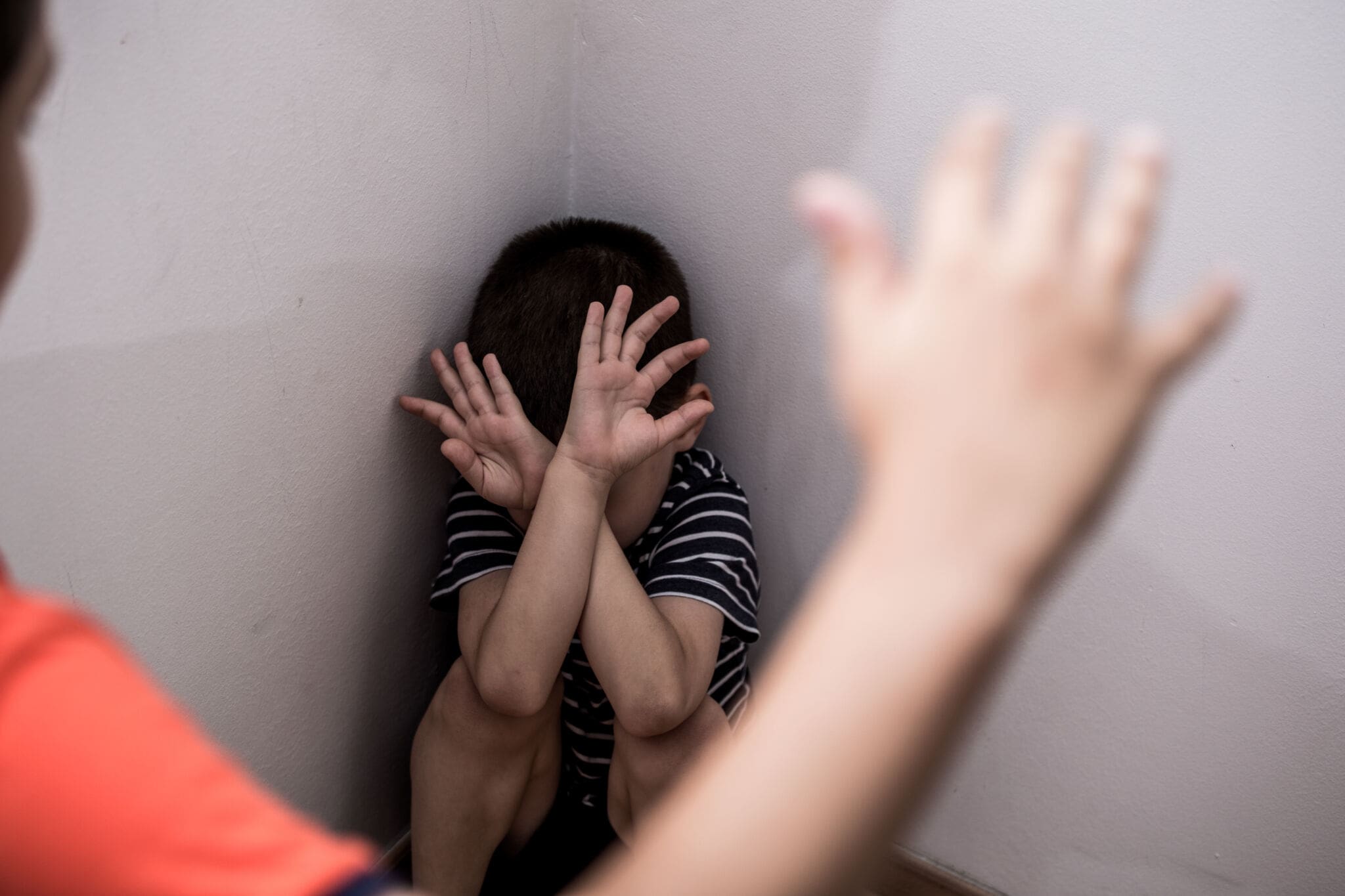
Children fall out. They argue, tease, copy each other’s slang, and sometimes make poor choices. This can be a normal part of growing up. However, when one child harms another through abuse, coercion, sexual behaviour, violence, humiliation or exploitation, it stops being ‘just kids’ behaviour and becomes a safeguarding issue.
In the UK, you may still hear the older phrase ‘peer-on-peer abuse’. Increasingly, guidance and professionals use child-on-child abuse. This shift matters because it reminds us that abuse does not only occur from adults towards children. It can happen between children of any age, in any setting, and it can be easy to miss when adults dismiss it as banter, flirting, ‘drama’ or ‘boys being boys’.
This guide is for UK parents, carers and education professionals who want a clear, plain-English explanation of what child-on-child abuse is, what it can look like (offline and online), and what to do next. The focus is practical: how to respond to disclosures, what to record, when to involve the Designated Safeguarding Lead (DSL), and how to access the right support and referral routes.
Child-on-Child Abuse Meaning
Child-on-child abuse means one child harms another child in a way that is abusive. The children may be the same age, but they do not have to be. They may be friends, siblings, classmates, teammates or dating partners. The behaviour can happen face-to-face, online or as a combination of both.
In safeguarding guidance for education settings, the key message is simple: children can abuse other children, including online, and staff should know how to recognise it and respond.
A useful way to understand child-on-child abuse is to focus on harm and control, rather than whether the behaviour looks ‘normal’ on the surface. It often includes one or more of these features:
- Coercion or pressure (threats, blackmail, social exclusion, “do it or else”).
- Sexual behaviour without consent (harassment, assault, coercing images).
- Violence or intimidation (hitting, choking, ‘play fighting’ that is not play).
- Humiliation and isolation (public shaming, harassment in group chats, rumours).
- Exploitation (using someone for status, money, favours, sexual access, or dares).
Sometimes adults get stuck on whether a child ‘meant it’. In safeguarding, impact matters more. A child can cause serious harm while trying to look funny, fit in or seem grown-up. The response still needs to protect children and reduce risk.
If you want the official baseline for schools and colleges in England, start with Keeping children safe in education (KCSIE). For child-on-child sexual harm, NSPCC learning resources on harmful sexual behaviour can be helpful too.
Child-on-Child Abuse vs Bullying
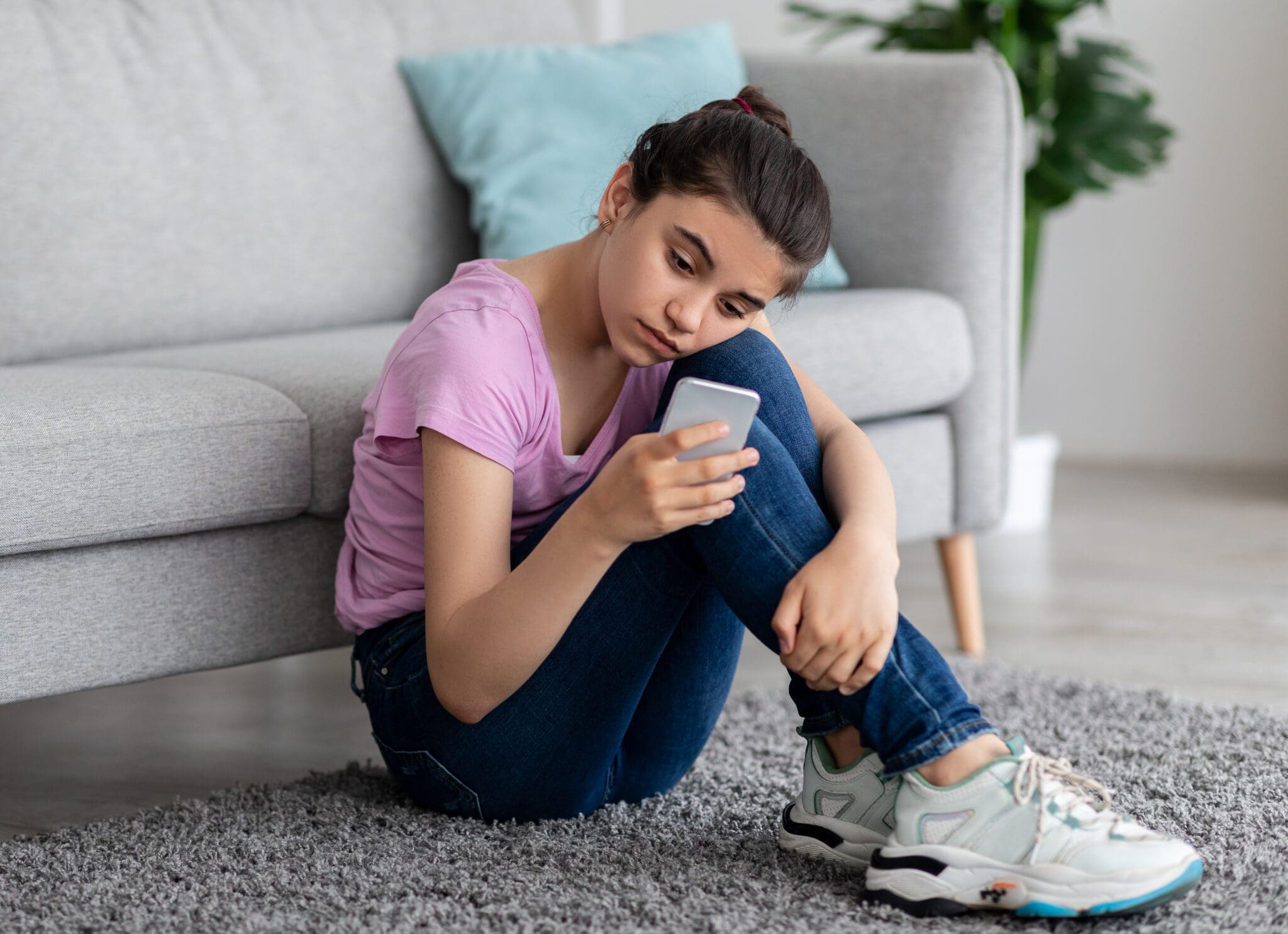
People often ask, “Is this bullying or is it abuse?” The honest answer is that bullying can be abusive, but child-on-child abuse is wider than bullying.
Bullying usually involves deliberate and repeated behaviour that hurts someone, often with a power imbalance. It can be physical, verbal, relational (exclusion and rumours), discriminatory (racist, homophobic, ableist) or online.
Child-on-child abuse includes bullying, but it also includes behaviours that may be:
- Sexual (harassment, assault, pressured images).
- Violent (assault, group attacks, choking).
- Coercive or controlling (especially in teenage relationships).
- Criminal in nature (image-based abuse, threats, extortion, serious assault).
- A single incident (e.g. one sexual assault is not ‘bullying’).
If you feel unsure, these questions help:
- Does the child feel frightened, controlled, trapped or ashamed?
- Is there pressure, threats or blackmail (even subtle pressure)?
- Is there sexual content, sexual touching or image-sharing?
- Is the harm serious even if it happened once?
If the answer is yes to any of those questions, treat it as child-on-child abuse and raise it as a safeguarding concern. You do not need to perfectly label it before acting. In a school setting, you share concerns with the DSL. As a parent, you can ask to speak to the DSL and explain what you have seen or been told.
Also, remember that guidance warns against minimising harmful behaviour as banter or ‘part of growing up’. When adults normalise it, children learn that reporting is pointless, and the behaviour becomes a culture rather than an incident.
Types of Child-on-Child Abuse
Child-on-child abuse can show up in many forms. It can also overlap. For example, a child may face sexual harassment at school, then coercion in messages at night, then a wave of rumours and exclusion the next morning.
Common types include:
- Bullying and cyberbullying (including prejudice-based bullying).
- Sexual harassment (comments, jokes, gestures, ‘rating’, sexual rumours).
- Sexual violence (any unwanted sexual act, including assault and rape).
- Physical abuse (hitting, kicking, shaking, choking, biting, forced ‘dares’).
- Emotional abuse (threats, humiliation, intimidation, isolation, harassment).
- Abuse in intimate relationships (teenage relationship abuse, controlling behaviour).
- Image-based abuse (pressured nudes, non-consensual sharing, threats to share).
- Initiation and hazing (ritual humiliation, forced violence, sexualised dares).
- Financial exploitation (stealing, forcing someone to hand over money, ‘debts’).
- Online exploitation by peers (sextortion, impersonation, doxxing, stalking).
- Group-based harm (pile-ons, ‘banter’ chats that turn into harassment, filmed assaults).
For a UK policing overview that lists many of these behaviours, you can read the Metropolitan Police information on peer-on-peer child abuse.
A key safeguarding point: it can happen inside or outside school, and online or offline – and the impact still comes into school the next day. That is why schools are expected to respond to concerns that happened off-site too.
Child-on-Child Sexual Harassment Explained
Sexual harassment between children can look ‘low level’ to adults who only hear a comment in passing. Yet for the child on the receiving end, it can feel relentless and invasive. It can also escalate, especially when a friendship group treats it as entertainment.
Sexual harassment includes unwanted sexual behaviour such as:
- Comments about bodies, clothing, development or sexual activity.
- Sexual jokes, gestures, noises or ‘banter’ that targets a person.
- Sexual rumours, ‘rating’ lists or ‘body count’ talk spread among peers.
- Staring, following, cornering or repeated ‘accidental’ touching.
- Pressuring someone to send sexual messages or images.
- Sending sexual content or pornography to someone who does not want it.
- Upskirting or attempts to expose or humiliate someone.
It can happen between boys and girls, between boys, between girls, and within mixed groups. It can happen in primary and secondary settings. KCSIE also stresses an “it could happen here” mindset, especially for child-on-child abuse, because a lack of reports does not mean nothing is happening.
Two patterns commonly make harassment worse:
First, the audience effect. Harassment becomes performative. Someone says the thing that gets laughs, screenshots or likes. The target then faces a group, not just one child.
Second, the grey-zone cover. Children may say it is flirting or joking. Adults may feel awkward and move on quickly. However, the line is consent and impact. If it is unwanted, it is not harmless.
If you are a parent, you can open the door with calm, non-leading questions:
- “Has anyone said anything sexual that made you uncomfortable?”
- “Is anything happening in group chats that you wish would stop?”
- “Do you feel safe at school and online at the moment?”
If you are a professional, take reports seriously, notice patterns and record concerns. Harassment often looks small when seen once, but serious when seen across time.
Child-on-Child Sexual Violence Signs
Sexual violence between children is any unwanted sexual act or contact. It can happen in ‘relationships’, in friendship groups, at parties, on the walk home or through coercion online. It is not limited to older teens. It can occur across ages, with different safeguarding considerations.
There is no single sign that confirms sexual violence. Many children show nothing obvious. Still, these are common indicators that a child may have been harmed:
- Sudden avoidance of school, specific corridors, toilets, lessons or clubs.
- Fear of a particular child or group, even if they used to be friends.
- Sleep disruption, nightmares, panic, tearfulness or anger.
- Withdrawal, shutdown or a sharp drop in confidence.
- Self-harm, suicidal thoughts, risky behaviour or substance use.
- Physical pain or injuries that do not make sense, including soreness.
- Fear around changing clothes (e.g. PE), or flinching at touch.
- Phone anxiety – panic after notifications, deleting apps, hiding the screen.
Signs that a child may be harming others sexually can include:
- Persistent boundary crossing and refusal to accept “no”.
- Pressuring, manipulating or threatening someone for sexual contact or images.
- Sexualised talk directed at younger children or vulnerable peers.
- Saving, sharing or trading sexual images, or boasting about it.
- Humiliation-focused behaviour (filming, sharing rumours, ‘ranking’ people).
- Minimising harm or blaming the victim when challenged.
In school and college settings, guidance expects the DSL (or deputy) to make an immediate risk and needs assessment after a report of sexual violence, and to consider risk assessments for sexual harassment on a case-by-case basis.
For health and specialist support information, you can signpost to NHS guidance on help after rape and sexual assault. KCSIE also refers to specialist services such as SARCs.
Online Abuse and Image-Sharing Risks
Online spaces change everything about child-on-child abuse. The harm can become constant, portable and hard to escape. Even when the incident starts offline, online tools often amplify it.
Common online routes include:
- Group chat pile-ons where ‘banter’ becomes harassment and social punishment.
- Anonymous accounts used to threaten, shame or share rumours without accountability.
- Gaming chats and DMs where harassment and threats can feel normalised.
- Sextortion between peers (threatening to share an image unless the victim sends more, pays money or performs sexual acts).
- Image-based abuse (sharing nudes or semi-nudes without consent, or threatening to do so).
- AI misuse such as nudifying apps or edited images used to humiliate and blackmail.
- Rapid spreading across platforms, which can make a child feel like ‘everyone has seen it’.
In England, the UK Council for Internet Safety guidance on image-sharing is a key resource for schools: Sharing nudes and semi-nudes – advice for education settings.
For parents and carers, the safest rule is straightforward: do not forward, save or share any sexual image of a child, even to show another adult ‘what happened’. Instead:
- Keep the child safe and reassured.
- Contact the school DSL if the children attend the same setting.
- Take advice on reporting and removal routes.
If you find indecent images of children online, you can report them to the Internet Watch Foundation. If you have concerns about grooming or sexual exploitation online, you can report directly via CEOP.
Warning Signs a Child Is Being Harmed
Children rarely disclose abuse in a neat, adult-friendly way. Many test the waters first. Some disclose through behaviour rather than words. That is why patterns matter.
Warning signs that a child may be harmed can include changes in:
Attendance and routines
- Avoiding school, asking to stay home, more lateness or sudden ‘illness’.
- Refusing clubs, sports or activities they used to enjoy.
- Changing routes to school, asking for lifts or fear of certain places.
Mood and behaviour
- Anxiety, tearfulness, irritability, anger or emotional numbness.
- Loss of confidence, sudden embarrassment or fear of being judged.
- Self-harm, risky behaviour or signs of depression.
Friendships and social life
- Sudden withdrawal from friends or being pushed out of a group.
- Fear of a specific peer or peer group.
- A child who becomes unusually compliant or ‘small’ around others.
Physical and health signs
- Unexplained injuries, damaged clothing or missing belongings.
- Headaches, stomach aches, sleep problems, bedwetting, panic symptoms.
Phone and online behaviour
- Panic after notifications or refusing to hand over the phone.
- Secretive phone use, deleting messages constantly, sudden new accounts.
- Fear of school because of what happened online overnight.
Listen to ‘small’ statements too. Children often say things like “Don’t make it a big deal”, “It’s fine” or “Everyone does it”. Those can be protective phrases used when they feel unsafe.
In education settings, KCSIE reinforces that staff should act on concerns and not assume someone else will.
If a child is in immediate danger, call 999. For advice and next steps, adults can use NSPCC guidance on what to do if you suspect abuse.
Warning Signs a Child Is Harming Others
This is one of the hardest areas emotionally. Parents often feel shock, shame or disbelief. Professionals may worry about reputational risk or conflict with families. However, early action protects everyone, including the child who is causing harm.
Possible warning signs that a child may be harming others include:
Escalating boundary crossing
- Persistent sexualised comments, unwanted touching, intimidation or harassment.
- Dares that humiliate others, ‘games’ that involve coercion or filming peers.
Coercion and control
- Demanding passwords, tracking someone’s location or monitoring messages.
- Threatening to share secrets or images to control someone’s choices.
- Isolating a partner from friends or dictating clothing and behaviour.
Image-related behaviour
- Pressuring others for nudes or semi-nudes.
- Saving, sharing, trading or threatening to share images.
- Boasting about getting images or using group chats to collect them.
Group-driven harm
- Leading a pile-on in group chats.
- Encouraging others to target a child.
- Using humiliation to gain status.
Attitudes that support harm
- Excusing behaviour as jokes or ‘what everyone does’.
- Blaming victims and minimising impact.
- Entitlement and hostility linked to gender, sexuality or rejection.
It is important to add a calm, honest layer here: sometimes children who harm others have also experienced harm, exposure to sexual content, trauma or unmet needs. That does not excuse behaviour. However, it can shape what support will work. In education settings, guidance expects clear processes to support victims and alleged perpetrators, not just punishment.
If you are a parent and you hear a concern about your child, aim for steady, specific language:
- “I’m worried about what I’ve been told.”
- “This is serious and we need to get help.”
- “We are going to make sure everyone is safe, including you.”
If you feel out of your depth, you can seek specialist advice. The NSPCC harmful sexual behaviour resources can help you understand next steps.
What to Say After a Disclosure
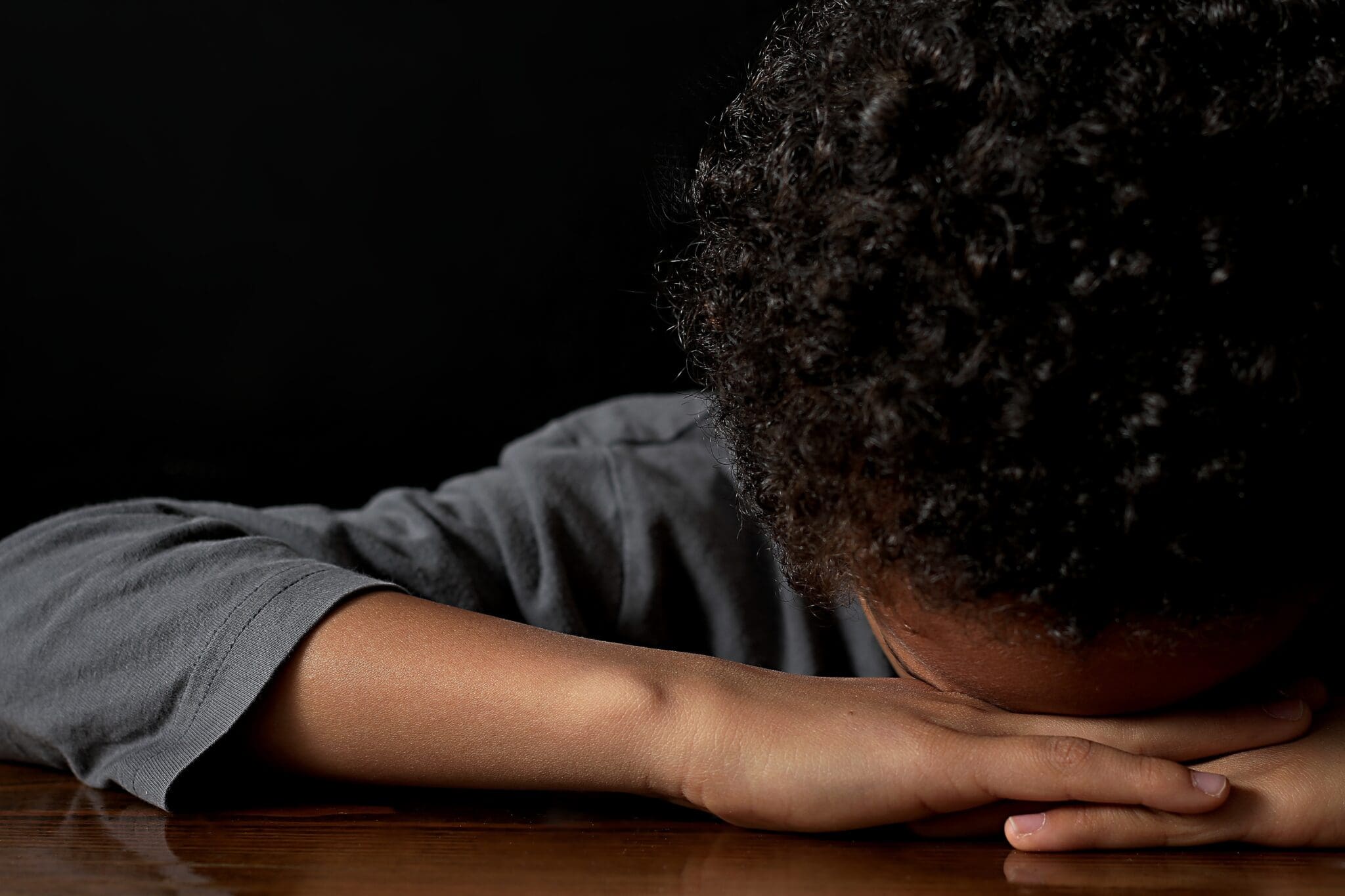
A disclosure might come as a full story, or as one sentence at bedtime. It might arrive by text. It might sound like a joke. Many children disclose in fragments because they feel scared, ashamed or worried about getting in trouble.
Your job in that moment is not to investigate. Your job is to keep the child safe and keep the door open.
What helps most is:
- Stay calm. Breathe and slow the moment down.
- Thank them. “I’m glad you told me.”
- Believe and validate. “I believe you. That should not have happened.”
- Remove blame. “This is not your fault.”
- Be honest about next steps. “I may need to share this with people who can help keep you safe.”
- Check immediate safety. “Do you feel safe right now? Are they contacting you?”
Helpful phrases (parents and carers):
- “You’ve done the right thing by telling me.”
- “You can tell me as much or as little as you want right now.”
- “What’s the part that worries you most?”
- “Is anything happening online that makes you feel trapped or scared?”
Helpful phrases (education professionals):
- “Thank you for telling me. You have done the right thing.”
- “I can’t promise to keep this secret, but I will only share it with people who need to know to keep you safe.”
- “I’m going to pass this to the DSL today.”
Try to avoid:
- “Why didn’t you stop it?”
- “Why were you there?”
- “Why did you send the photo?”
- “Are you sure?” (Even if you feel uncertain, this can shut a child down.)
If the disclosure involves images, do not ask to see them unless you have a safeguarding role and you are following the correct procedure. Education settings in England should use the UKCIS guidance on handling devices and imagery safely.
What Schools Must Do: KCSIE
In England, schools and colleges must have regard to KCSIE. It sets expectations for safeguarding systems, staff training, culture and response to concerns. KCSIE is clear that children can abuse other children, including online, and staff should know their setting’s policies and procedures.
For child-on-child abuse, KCSIE expects governing bodies and proprietors to ensure the child protection policy includes:
- Procedures to minimise the risk of child-on-child abuse.
- Reporting systems that are well promoted, easily understood and easy to access, so children can report concerns confidently.
- How allegations will be recorded, investigated and dealt with.
- Clear processes for supporting victims, alleged perpetrators and other affected children.
- Recognition that abuse may be happening even if there are no reports.
- A zero-tolerance approach, including that abuse should not be passed off as ‘banter’, ‘just having a laugh’, ‘part of growing up’ or ‘boys being boys’.
KCSIE also repeats the ‘it could happen here’ mindset and stresses that staff should act on concerns rather than assuming another adult will.
When the concern relates to sexual violence, KCSIE says the DSL (or deputy) should make an immediate risk and needs assessment. For sexual harassment, the school should consider risk assessment on a case-by-case basis.
If you live outside England, your setting will follow different national guidance, but many principles overlap. Useful starting points include Keeping Learners Safe (Wales), Education Scotland safeguarding and child protection resources and Safeguarding and Child Protection in Schools (Northern Ireland).
When to Involve Police or Social Care
People worry about ‘overreacting’. In safeguarding, delayed action usually causes more harm than timely consultation. The safest approach is to involve the DSL early, take advice and make decisions based on risk.
KCSIE states that where a child is suffering, or likely to suffer, harm, a referral to local authority children’s social care and, if appropriate, the police should be made immediately.
KCSIE also addresses sexual violence reporting: when a report of rape, assault by penetration or sexual assault is made, the starting point is that it should be passed to the police. It notes that while the age of criminal responsibility is ten, the principle of reporting remains even if the alleged perpetrator is under ten, and police will take a welfare approach rather than a criminal justice approach. (GOV.UK)
Practical situations where police or social care involvement is often appropriate include:
- A child is in immediate danger or has serious injuries.
- Serious violence, strangulation, weapons, threats to kill or group assaults.
- Rape or sexual assault allegations.
- Ongoing coercion, stalking or blackmail, including sextortion.
- Indecent images are being shared, spreading rapidly, or adults may be involved.
- The setting cannot keep the child safe through school-based measures alone.
For schools and colleges, the NPCC resource can support decision-making: When to call the police – guidance for schools and colleges.
If you are a parent and you feel unsure, you can still seek advice and support. NSPCC guidance on reporting abuse can help you understand options and urgency.
Recording and Risk Assessments in Schools
Good safeguarding relies on good recording. The goal is not paperwork for its own sake. The goal is a clear, accurate account that supports safe decision-making and makes patterns visible over time.
A strong record typically includes:
- Date, time and location.
- Who was present.
- What you saw or heard (facts).
- The child’s words in their own language (use quotation marks where possible).
- Any injuries or visible signs (record, do not interpret).
- What action you took immediately to keep children safe.
- Who you told (DSL or deputy) and when.
- Decisions made and reasons for decisions.
- Any external contact (parents, social care, police) and what was agreed.
KCSIE explicitly says all concerns, discussions, decisions and reasons for decisions should be recorded.
Risk assessment is the second key piece. After a report of sexual violence, KCSIE expects the DSL (or deputy) to make an immediate risk and needs assessment. It also highlights the impact of social media in spreading rumours and exposing victims’ identities, which should be considered in response planning.
In plain terms, risk assessment usually turns into a safety plan. That might include:
- Staggered movement around school (arrivals, departures, break times).
- Adjusted timetables or class moves.
- Increased supervision in specific areas.
- No-contact expectations and clear boundaries.
- A plan to manage online rumours and harassment, including reporting routes.
- Support check-ins for both the harmed child and the child alleged to have harmed.
If nude or semi-nude imagery is involved, schools in England should follow UKCIS guidance on risk assessing, handling devices and imagery, and recording.
Supporting Victims and Alleged Perpetrators
A strong response holds two truths at the same time: the harmed child needs safety and support, and the child who harmed others may need support to stop the behaviour and reduce future risk. Those aims can sit together when you keep safety at the centre.
Support for victims often includes:
- A trusted adult for regular check-ins.
- Clear boundaries with the alleged perpetrator (including no-contact measures).
- Practical adjustments (seating plans, escorted movement, safe spaces).
- Emotional support (pastoral care, counselling or therapeutic services).
- Online safety support (reporting, blocking, managing fear about devices).
- Referral to specialist services when needed, including sexual violence support.
KCSIE highlights that schools should not wait for the outcome of investigations before protecting children and putting safeguards in place.
Support for alleged perpetrators should focus on accountability, learning and behaviour change. That might include:
- Clear education on consent, boundaries and impact.
- Increased supervision and a structured plan to reduce risk.
- Consideration of unmet needs, trauma or SEND.
- Referral to specialist support services for harmful behaviour.
- A reintegration plan if a child has been removed from class or activities.
It also matters to support other children affected, such as witnesses, friends caught up in group chats, or children who now feel unsafe. Without that wider support, schools can end up with ‘sides’, retaliation or secondary victimisation.
If you are signposting families, Childline offers confidential support for children and young people. Adults can seek guidance via the NSPCC Helpline.
Preventing Child-on-Child Abuse in Schools
Prevention is not a one-off assembly. It is a culture that children experience daily: what staff challenge, what gets dismissed, what gets recorded, and what children believe will happen if they report.
Effective prevention usually includes:
- Clear behaviour standards that explicitly cover sexual harassment, coercion and online abuse.
- Consistent adult challenge to sexist language, discriminatory bullying and ‘banter’ that harms.
- Staff training that builds confidence in noticing, recording and responding.
- Reporting systems children actually trust and understand.
- Relationship, consent and online safety education that feels real, not abstract.
- Supervision and site awareness to reduce blind spots.
- Parent partnership on phones, privacy, group chats and reporting routes.
KCSIE expects schools to put in place procedures to minimise risk and reporting systems that are accessible to children.
Online prevention is now central, not optional. Schools and families may find resources from the UK Safer Internet Centre and NSPCC online safety advice useful when setting consistent expectations.
Finally, strong safeguarding cultures are built on reliable basics: clear routes for concerns, confident recording and consistent follow-through. That principle matters across all child-facing settings, including early years environments.
Conclusion
Child-on-child abuse matters because it can be normalised, hidden in ‘banter’ and escalated through phones and social platforms until the harm becomes severe. It can follow children into school each day, and it requires calm, consistent adult responses.
If you take only a few points from this guide, let them be these: treat concerns seriously, do not dismiss harm as jokes, respond supportively to disclosures, record clearly, involve the DSL early, and escalate to children’s social care or the police when risk is high or harm is serious. With early action and the right support, children can recover, behaviour can change, and schools can build a culture where respect is the norm rather than the exception.