
In this article
Substance misuse can be difficult to recognise early on, especially when the changes happen gradually. Someone may begin drinking or using more regularly after stressful days, relying more heavily on substances to sleep, relax or cope emotionally, or struggling more with mood, relationships and daily responsibilities over time.
One sign on its own does not always mean there’s a serious problem. However, when several changes appear together, keep escalating or begin affecting daily life, it is worth paying attention.
Some people can continue functioning outwardly for a long time, which can make problems much harder for friends and family members to spot. They may still go to work, care for family or maintain routines while increasingly relying on alcohol or drugs behind the scenes.
This article explains common warning signs of substance misuse, including behavioural, physical and mental health changes, signs of tolerance or dependence, and when to seek help or urgent support.
How substance abuse shows up in behaviour and routines
Changes in behaviour are often among the earliest signs of substance abuse.
Over time, the person may begin organising more of their life around alcohol or drugs, even if they don’t recognise it themselves.
Possible signs include:
- Drinking or using more frequently than before
- Using substances alone or in secret
- Becoming defensive when asked about use
- Using substances to cope with stress, anxiety, sleep or emotions
- Increasing secrecy around plans, whereabouts or spending
- Pulling away from hobbies, routines or social plans that do not involve substances
- Risk-taking behaviour, including unsafe sex, arguments or driving under the influence
- Repeated promises to “cut down” that do not last
- Planning evenings, weekends or social situations around drinking or drug use
Some people also begin minimising the pattern:
- “I’m just stressed.”
- “Everyone drinks this much.”
- “It’s not a problem because I can stop whenever I want.”
Sometimes, that is true. However, if the same problems keep occurring again and again, the pattern deserves attention and the person may need support.

Physical warning signs of substance abuse
Alcohol and drugs can affect nearly every part of the body, including sleep, appetite, energy, coordination and general health. Physical warning signs vary depending on the substance, how often it is used and the person’s overall health, but changes often become more noticeable over time.
The signs can be subtle at first. Someone may seem constantly tired, start getting ill more often or struggle to maintain routines they previously managed easily. In other cases, the physical impact becomes more visible through appearance, coordination, withdrawal symptoms (more on this later) or repeated health problems.
Possible physical warning signs include:
- Sleep problems or erratic sleep patterns
- Frequent exhaustion or low energy
- Changes in appetite or noticeable weight changes
- Tremors, shakiness, sweating or nausea
- Bloodshot eyes, sniffing, nosebleeds or slurred speech
- Looking persistently tired, unwell or emotionally flat
- Frequent stomach issues, vomiting or unexplained illness
- More accidents, falls, bruises or injuries
- Neglecting personal hygiene or appearance
- Changes in coordination, balance or reaction times
- Frequent headaches or complaints of feeling physically unwell
- Spending long periods recovering after drinking or drug use
Some substances can also cause visible changes in a person’s mood and physical state over short periods of time. For example, someone may appear unusually energetic, restless or talkative while using, then emotionally flat, exhausted or irritable afterwards.
As the person starts using substances more regularly, they may begin experiencing withdrawal-like symptoms between periods of use. These can include sweating, shaking, anxiety, irritability, nausea or feeling physically unable to relax without the substance. In many cases, withdrawal symptoms are some of the clearest signs that alcohol or drugs are beginning to have a much more serious effect on the body.
Mental health and emotional signs of substance abuse
Substance misuse and mental health often affect each other directly. Someone may initially use alcohol or drugs to cope with anxiety, trauma, stress or low mood, then find those symptoms worsen over time.
In the short term, substances can change mood quickly. Someone may seem more relaxed, confident or emotionally numb while drinking or using drugs. Afterwards, though, they may feel more anxious, low, emotionally reactive or unable to cope.
Over time, alcohol and drugs can make existing mental health difficulties harder to manage. Sleep often becomes worse, emotions can feel less stable and people may become increasingly reliant on substances to cope with difficult thoughts or feelings. Some substances can also increase the risk of more severe mental health symptoms, including paranoia or psychosis in vulnerable people.
Possible warning signs include:
- Increased anxiety, panic or agitation
- Mood swings or emotional volatility
- Irritability, anger or defensiveness
- Emotional numbness or detachment
- Low mood, hopelessness or loss of motivation
- Paranoia or unusual suspiciousness
- Difficulty concentrating or remembering things
- Increased isolation or withdrawal from supportive people
- Self-harm urges or suicidal thoughts, especially when intoxicated or withdrawing
Some people become emotionally unpredictable, especially during periods of heavy use, poor sleep or withdrawal. Others appear increasingly flat, disconnected or emotionally absent.
Substances can also interact dangerously with some prescribed medications, including medication for anxiety, depression or other mental health conditions. Mixing substances or using medication outside medical guidance can increase physical and psychological risks.
Problems with work, school or money
Substance misuse often begins affecting daily functioning long before someone openly acknowledges there is a problem.
Possible signs include:
- Lateness, absence or repeated sick days
- Declining performance, concentration or reliability
- Missed deadlines or forgotten responsibilities
- Conflict with colleagues, family or friends
- Financial problems or unexplained spending
- Borrowing money regularly
- Neglecting parenting, caring or household responsibilities
Some people manage to keep everything looking relatively normal for quite a long time. They still go to work, meet responsibilities and appear to cope on the surface, but over time the strain often starts showing through tiredness, inconsistency, mood changes or difficulty keeping up.
Tolerance and dependence explained
It helps to understand the difference between substance use, harmful use, tolerance and dependence. These terms describe different patterns and levels of risk, but people often blur them together.
Use
Use simply means taking a substance. This may be occasional and may not cause harm.
However, even non-dependent use can become risky in certain situations, such as driving and pregnancy. Mixing substances carries very serious risks, and regularly using substances to cope with distress can have negative consequences over time.
Harmful use
Harmful use means substance use is causing problems, even if the person does not feel dependent. The harm might affect physical health, mental health, relationships, work, finances or safety.
Someone may still feel they could stop “if they wanted to”, yet continue repeating the pattern because the substance has become closely tied to their routine or achieving a sense of relief from what they are coping with.
Tolerance
Tolerance happens when the body and brain become less responsive to a substance over time. The person may need larger amounts to feel the same effect they previously got from a smaller amount.
Tolerance can show up as:
- Needing more to feel relaxed, numb or intoxicated
- Feeling less affected by amounts that previously caused impairment
- Switching to stronger substances or mixing substances to achieve the same effect
Tolerance can increase risk because people may underestimate how much strain the substance is placing on the body.
Dependence
Dependence means the body and brain have adapted to regular substance use. The person may experience withdrawal symptoms when they stop or reduce, and they may feel increasingly driven to continue using even when they want to cut down.
Dependence often involves:
- Withdrawal symptoms when not using
- Using to avoid feeling unwell rather than to feel good
- Struggling to reduce or stop
- Planning life around access, use or recovery
- Fear of stopping despite wanting change
Tolerance and dependence can develop gradually, which is why many people find it difficult to recognise when substance use is becoming harmful or hard to control.
Signs someone may be hiding substance use
People often hide alcohol or drug use because they feel embarrassed, worried about other people’s reactions or frightened of what might happen if they admit how much things have changed.
Some people are also trying to convince themselves that the situation is still manageable. They may tell themselves that they are just stressed, going through a rough patch or “blowing off steam”, even while the pattern is becoming harder to control.
Possible signs someone may be hiding or minimising use include:
- Being vague about where they have been
- Disappearing suddenly, especially after stress or conflict
- Becoming unusually defensive when questioned
- Lying about spending or needing money unexpectedly
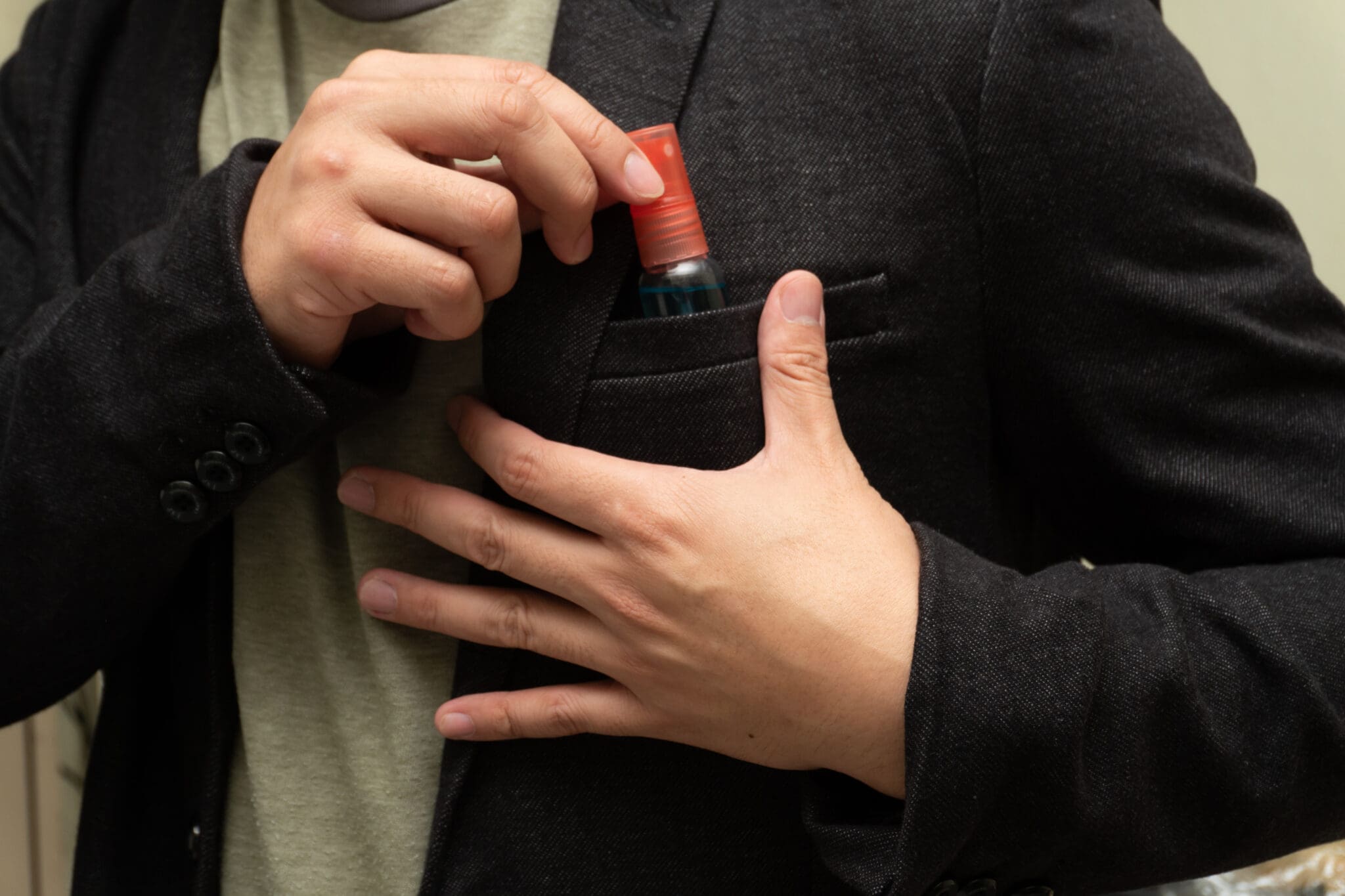
- Often smelling strongly of mints, sprays or perfume
- Finding bottles, pills or paraphernalia hidden around the home
- Frequently changing the subject when alcohol or drugs are mentioned
- Admitting to “a little” use while evidence suggests more frequent or heavier use
- Promising to cut down repeatedly without lasting change
If you are worried, it’s usually more helpful to focus on care and observable changes rather than trying to “catch” the person out by uncovering lies or exaggerations.
Withdrawal symptoms and emergency warning signs
Withdrawal happens when a body that has adapted to regular substance use suddenly has less of the substance. Symptoms range from uncomfortable to medically dangerous depending on the substance, amount used and the person’s health.
Possible withdrawal symptoms include:
- Anxiety, agitation or restlessness
- Sweating or shaking
- Nausea or vomiting
- Sleep problems or vivid dreams
- Strong cravings
- Headaches and difficulty concentrating
- Irritability or low mood
Alcohol withdrawal and benzodiazepine withdrawal can become dangerous, especially after heavy or long-term use.
Seek urgent medical advice if someone experiences:
- Confusion, hallucinations or severe agitation
- Seizures or collapse
- Severe chest pain or breathing problems
- Extreme shaking or fever
- Severe dehydration or repeated vomiting
- Loss of consciousness or signs of overdose
Call 999 if someone is unconscious, difficult to wake, having seizures, breathing irregularly or appears to be in immediate danger. Otherwise, contact NHS 111 for urgent advice.
If someone wants to stop after heavy or long-term use, encourage them to seek professional support rather than attempting sudden withdrawal alone.
Substance misuse warning signs in teenagers
Substance use in teens often has noticeable patterns that differ from what you might see in adults. Some experimentation can happen during adolescence, but regular, secretive or emotionally-driven use carries greater risk and deserves closer attention.
Possible signs in teenagers include:
- Sudden mood swings or increased irritability
- Significant changes in friendship groups
- Declining school attendance or motivation
- Staying out late and becoming secretive about whereabouts
- Changes in sleep, appetite or energy
- Red eyes, unusual smells or heavy use of sprays/fragrances
- Missing money or unexplained spending
- Increased withdrawal from family
- More conflict at home
- Risk-taking behaviour online or in person
It’s also important to consider why a teenager may be using substances. Some use them out of curiosity or social pressure, especially if alcohol or drugs are tied to fitting in, confidence or feeling accepted within a group. Others may be trying to cope with anxiety, bullying, stress, loneliness, trauma or low self-esteem in ways they do not fully understand themselves yet.
Teenagers often struggle to explain emotional distress directly, especially if they feel embarrassed or overwhelmed. Often, they worry about getting into trouble. Sometimes substance use becomes part of how they avoid difficult feelings, escape pressure or feel more comfortable socially, even if they do not recognise it that way themselves.
How to talk to someone you’re worried about
Starting the conversation is often the hardest part. Many people worry about saying the wrong thing, causing conflict or pushing the person away. Others avoid bringing it up because they are unsure whether the problem is “serious enough” yet, or they hope it will get better on its own.
Showing calm, direct concern usually works better than confrontation. People tend to be more likely to open up when they feel judged less and listened to more.
It also helps to choose the right moment. Try to avoid starting the conversation when the person is intoxicated, highly emotional or already in the middle of an argument. A quieter, calmer moment usually gives you a better chance of being heard.
Focus on specific observations rather than labels:
- “I’ve noticed you seem exhausted lately.”
- “You’ve seemed more withdrawn recently.”
- “I’m worried because you’ve been drinking much more often.”
- “You don’t seem like yourself at the moment.”
It can also help to ask open questions:
- “How have things been lately?”
- “Do you feel like alcohol or drugs are helping you cope?”
- “Do you feel in control of it?”
- “What happens if you try not to use?”
Try to keep the conversation calm and avoid accusations, lectures or moral language. Shame often makes people more defensive or secretive, especially if they already feel embarrassed or frightened about their behaviour.
At the same time, you don’t need to pretend everything is fine. It’s possible to be compassionate while still being honest about what you have noticed and how it’s affecting you or other people around them.
Some people open up immediately. Others minimise the problem, change the subject or become defensive at first. That does not always mean the conversation has failed. In many cases, people need time to sit with what has been said before they are ready to talk more openly.
If the person denies there is a problem, don’t debate it with them. Staying supportive and keeping communication open is usually more helpful than trying to force them to agree with you.
Getting help in the UK
Support does not always mean rehab or crisis intervention. Many people start with smaller steps such as speaking to a GP, contacting a local drug and alcohol service or getting mental health support.
A GP can:
- Assess physical and mental health
- Discuss safer reduction
- Help with anxiety, sleep or low mood
- Refer or signpost to local services
Many local drug and alcohol services also allow self-referral. Support may include:
- One-to-one support
- Harm reduction advice
- Talking therapies
- Group programmes
- Peer support
- Medication support in some situations
- Mental health support alongside substance treatment
If you are supporting someone else, remember that you can help without becoming solely responsible for their recovery. Boundaries and support for yourself matter too.
Useful UK organisations include:

Final thoughts
Substance misuse can affect people in very different ways, which is part of why problems are sometimes missed or minimised for a long time. Often, the overall pattern is what you’ll notice: changes in mood, coping, health, behaviour or day-to-day functioning that gradually become harder to ignore.
If you are worried about yourself or someone else, it’s okay to take those concerns seriously before things feel “bad enough”. Early conversations, support and practical help can make a real difference in putting someone back on the right track.