
In this article
Trauma can affect the way you think, feel and react long after a distressing experience has ended. You might feel constantly on edge, shut down in stressful situations, or react in an extreme way to things that seem small to other people. These reactions can feel confusing, especially when part of you knows you are safe.
Trauma responses are survival patterns your mind and body learned during overwhelming situations. They can develop after many different experiences, including abuse, violence, accidents, medical emergencies, sudden loss, discrimination or long periods of stress and fear.
This guide explains common trauma responses such as fight, flight, freeze and fawn. It also covers triggers, flashbacks, delayed reactions, grounding techniques and when to seek support.
What are trauma responses?
Trauma responses are automatic survival reactions that happen when your nervous system senses danger or overwhelm. Even when a threat has passed, your body may continue acting as though you are unsafe.
That can affect the way you think, feel and react. Some people become constantly alert and tense. Others shut down, disconnect emotionally or avoid situations that remind them of what happened. You may also move between different reactions depending on the situation and how safe you feel.
When your brain detects something threatening, it prioritises survival over reflection or logical thinking. Instead of slowing down to assess every detail, the nervous system prepares for immediate action – fighting, escaping, freezing, shutting down or trying to keep other people calm.
These reactions can happen during a traumatic event, immediately afterwards or much later. Some people remain in “survival mode” for a long time because they have to keep functioning, caring for others or dealing with practical problems. Only later, when life becomes quieter or safer, does the nervous system start reacting more strongly to what happened.
Trauma responses can also be triggered by reminders of the original experience. Sometimes the connection is obvious. Other times, the trigger is subtle, such as a tone of voice, a smell, a certain environment or feeling criticised or trapped.
You may “know” you are safe while your body reacts as though you are not. That disconnect can feel frustrating or confusing, but it is a common part of trauma responses.

Trauma response symptoms checklist
Trauma-related symptoms vary widely. Some people mainly feel anxious and on edge. Others feel numb and disconnected. Many people swing between the two, which can feel confusing.
This checklist can help you name what is happening, but you don’t need to have every symptom for your experience to be valid.
Body and physical symptoms
- Rapid heartbeat, tight chest, shallow breathing
- Muscle tension, headaches, jaw clenching, body aches
- Stomach issues, nausea, appetite changes, IBS-type symptoms
- Sleep problems, nightmares, waking suddenly
- Fatigue that does not improve with rest
- Startle responses, flinching, feeling jumpy
- Feeling hot, sweaty, shaky or “wired”
Emotional symptoms
- Anxiety, fear, dread, sudden panic
- Irritability, anger, feeling defensive
- Numbness, flatness, feeling emotionally switched off
- Shame, self-blame, feeling “broken”
- Mood swings, tearfulness, feeling overwhelmed
- Guilt, especially around things you did or did not do
Thinking and memory symptoms
- Racing thoughts or constant worry
- Poor concentration, brain fog, forgetfulness
- Intrusive memories, images, thoughts
- Going blank under pressure
- Seeing threats where others do not
- Difficulty making decisions
Behaviour and relationship symptoms
- Avoiding places, people or topics linked to the event
- Withdrawing socially or feeling disconnected from loved ones
- Overworking, over-cleaning, staying constantly busy
- People-pleasing, over-explaining, over-apologising
- Increased alcohol use, comfort eating or scrolling to numb feelings
- Difficulty with intimacy, trust or feeling safe with others
If you recognise several of these patterns, it may be a sign that your nervous system has been under strain for a long time. Understanding how trauma responses work can make those reactions feel less confusing and easier to manage.
Trauma responses, PTSD and complex PTSD
Many people associate trauma with PTSD, but trauma and PTSD are not necessarily the same thing.
Trauma refers to the impact of distressing or overwhelming experiences on the mind and body. Trauma responses are the survival reactions that can follow, such as hypervigilance, shutdown, avoidance, flashbacks or emotional numbness. Some people experience these responses for a short period before gradually recovering. For others, the effects last much longer.
PTSD (post-traumatic stress disorder) is a mental health condition that can develop when trauma responses persist and continue affecting daily life long after the danger has passed. People with PTSD may re-experience what happened through flashbacks or nightmares, avoid reminders of the event or feel constantly alert and unsafe.
Complex PTSD (C-PTSD) includes many of the same symptoms as PTSD, but it usually develops after prolonged or repeated trauma, especially in situations where a person felt trapped, controlled or unable to escape. This can include long-term abuse, neglect, coercive relationships, exploitation or living for years in unpredictable or unsafe environments.
Alongside symptoms such as hypervigilance or flashbacks, complex trauma often affects relationships, trust and sense of self more broadly. Some people become emotionally detached, highly sensitive to rejection or conflict, or unsure of their own needs, emotions or boundaries.
These patterns often develop gradually over time, which means many people don’t immediately recognise them as trauma-related. Instead, they may assume their reactions are simply part of their personality or the way they have always been.
Common PTSD symptoms can include:
- Flashbacks or intrusive memories
- Nightmares or distressing dreams
- Avoiding reminders of the event
- Feeling constantly on edge or alert
- Strong startle responses
- Difficulty sleeping or relaxing
- Irritability, anger or emotional distress
- Feeling detached from other people or your surroundings
- Difficulty concentrating
- Physical symptoms such as headaches, stomach problems, pain, sweating or shaking
Complex PTSD can include many of the symptoms above, alongside patterns such as:
- Intense shame or persistent self-blame
- Difficulty trusting other people
- Fear of abandonment or rejection
- Emotional numbness or sudden emotional swings
- Dissociation or feeling disconnected from yourself
- People-pleasing or difficulty setting boundaries
- Feeling detached from your identity, needs or emotions
- Becoming highly alert to other people’s moods or reactions
- Feeling unsafe in close relationships, conflict or vulnerability
Further guidance: PTSD and CPTSD self-help guide, NHS inform

Fight, flight, freeze, fawn explained
Most people have heard of “fight or flight”, but “freeze” and “fawn” matter just as much. Many adults recognise themselves more in those. You may also shift between responses depending on the situation, the people involved and how trapped you feel.
Many people feel relieved when they recognise that they are going through one of these patterns. At the same time, it can be difficult to realise how long your nervous system has been operating in survival mode.
Fight
Fight is the response that pushes energy outwards. Instead of shutting down or getting away, your body moves towards the problem. Anger can rise quickly. Your voice may sharpen. You may find yourself arguing, correcting, taking charge or refusing to back down.
For some people, fight looks obviously confrontational. For others, it’s more hidden: a tight jaw, a racing mind, a need to fix the situation immediately, or a feeling that everything depends on staying in control.
Fight responses often create a sense of tension and urgency. Your body stays prepared for conflict or danger, which can make it difficult to relax or feel fully at ease.
Flight
Flight means moving away from danger. Sometimes that means physically leaving. Other times, it means staying constantly busy so you never have to slow down enough to notice what you’re feeling.
Flight can look like overworking, overthinking, perfectionism, or filling every spare moment with tasks, noise or distraction. Some people experience it as anxiety or panic. Others notice a constant sense of urgency, even during ordinary parts of daily life.
Rest can feel uncomfortable in this state. Quiet moments may leave your mind scanning for problems, replaying conversations or planning for things that could go wrong.
Freeze
Freeze happens when your nervous system decides that fighting or escaping will not work. Instead, everything slows down. Your thoughts may disappear mid-conversation. Decisions can feel impossible. Even simple tasks may suddenly feel overwhelming.
Some people describe freeze as feeling foggy, detached or emotionally numb. Others notice that they go quiet during conflict, struggle to speak under pressure or shut down when they feel criticised or cornered.
From the outside, freeze can look passive. Internally, it often feels like your system has pulled the handbrake on everything at once.
Fawn
Fawn is a survival response built around keeping other people calm, pleased or comfortable. It often develops in environments where conflict, rejection or unpredictability feel unsafe.
You may find yourself agreeing when you want to say no, apologising automatically or monitoring other people’s moods before your own. Some people become highly attuned to tension in a room and quickly adjust themselves to avoid upsetting anyone.
Fawning is often mistaken for simply being “nice” or easy-going. Over time, though, it can leave you feeling exhausted, resentful and disconnected from your own needs.
Hypervigilance and being on edge
Hypervigilance means your body stays on high alert. Some people describe it as living with an internal alarm that never fully switches off.
Hypervigilance can develop after events where danger feels unpredictable. It can also develop after long periods of stress, such as ongoing abuse, workplace bullying or living with someone who demonstrates unstable behaviour. Your nervous system learns to spot danger early in an attempt to prevent harm.
In daily life, hypervigilance can look like:
- Sitting with your back to the wall in public places and monitoring exits
- Monitoring noises or people’s movements
- Feeling uneasy when someone walks behind you
- Overreacting to small surprises, like a slammed door
- Interpreting neutral facial expressions as hostile
- Constantly checking your phone, locks or messages
Hypervigilance can be exhausting. Because you spend so much energy scanning, you may struggle to sleep or stay focused. You may become impatient and “snappy”.
Remember: you have nothing to feel guilty for. Your body is simply trying to keep you safe in the way it has learned. When you approach hypervigilance with curiosity rather than self-criticism, it often becomes easier to soften it.
Shutdown, numbness and dissociation
Sometimes, trauma makes you shut down more than it makes you feel anxious. You might feel disconnected from yourself or your emotions, or like you’re watching life from a distance.
Shutdown
Shutdown is a protective response that can happen when your system decides active resistance will not help. People often describe shutdown as:
- Feeling mentally and physically “switched off”
- Struggling to respond or make decisions
- Feeling heavy, slowed down or exhausted
- Wanting to withdraw from people or situations
- Finding it hard to speak or think clearly under stress
Numbness
Emotional numbness is a common trauma response. It can feel frightening or confusing, especially if you used to feel emotionally expressive or connected. Numbness can include:
- Feeling flat, empty or emotionally “dead”
- Not reacting to things that would normally matter
- Struggling to cry or access emotion
- Feeling detached from other people
- Losing interest in things you usually care about
Dissociation
Dissociation is a type of disconnection from yourself or what is happening around you, including your environment. People describe it in different ways, such as:
- Feeling unreal, foggy or “not here”
- Feeling like your body is not yours
- Losing time or not remembering parts of a conversation
- Feeling far away from your surroundings
- Hearing sounds as if they are distant or muffled
Dissociation can happen during a traumatic or overwhelming event, especially if you feel trapped or powerless. Later, it may be triggered by things that remind your system of the original experience, such as conflict, criticism, certain environments or intense stress.
Experiencing dissociation doesn’t mean you’re “going mad”. It’s a recognised survival response. Still, if it happens often or affects your safety, it’s important to seek support. Trauma-informed therapy can help you understand your triggers and build your ability to ground yourself.
Further guidance: Mental health problems – What is dissociation? Mind
People-pleasing as a trauma response
People-pleasing is often talked about as a personality trait. But for some people, it develops as a way to stay safe around conflict, criticism, rejection or unpredictability.
Instead of reacting with anger or withdrawal, the nervous system learns to reduce risk by keeping other people comfortable. Over time, that can become automatic. You may find yourself apologising quickly, avoiding disagreement, taking responsibility for other people’s emotions, or saying yes when you actually want to say no.
Some people become highly aware of other people’s moods and reactions. They may change their tone, behaviour or opinions to avoid tension or disapproval. On the surface, this can look like being easy-going or helpful, but internally, it can feel exhausting.
People-pleasing can also make boundaries difficult. You may end up agreeing to things out of guilt or fear of upsetting someone, even when you are already overwhelmed. After a while, your own needs can start to disappear into the background.
Setting boundaries does not always involve big conversations or confrontations. For many people, it starts with smaller changes, such as:
- Taking time before agreeing to requests
- Making a simple statement, like “I can’t do that today”, instead of making excuses
- Not replying to messages immediately
- Noticing when guilt appears after setting a limit
- Reminding yourself that disagreement is not the same as danger
Over time, people-pleasing can leave you disconnected from your own limits, preferences and needs. Learning to set boundaries is often about recognising that other people’s comfort is not always your responsibility.
Why trauma responses feel irrational
Many people ask, “I know I’m safe, so why do I feel like this?” That question makes sense, because trauma responses are often disproportional to the current situation. What’s really happening is your body reacting to cues that resemble past danger – not to present facts.
Your survival brain reacts faster than your thinking brain
Your nervous system can detect threat cues in fractions of a second. That system evolved to keep you alive, not to keep you calm. Meanwhile, your thinking brain needs more time to assess context. Therefore, you might react first and understand later.
Your body remembers patterns, not just stories
Even if you’re not consciously thinking about the event, your body remembers sensations: the sound of footsteps, a smell, a tone of voice, a certain type of silence. Then your system reacts as if the original danger is happening again.
Trauma teaches “better safe than sorry”
If you faced real danger before, your system may lower the threshold for threat detection. In other words, it decides that it would rather react to false alarms than miss a real threat. That strategy makes sense in dangerous environments, but even in safe situations, your body may still react as though something is about to go wrong.
Shame adds another layer
When you judge your reactions, you can become more stressed. Then your nervous system gets even more activated. As a result, the symptoms intensify.
Compassion can break that cycle. A useful mantra can be: “This is a protective response, not a character flaw.” You may not choose the response, yet you can learn to influence what happens next.
Trauma triggers, flashbacks and anniversary reactions
Triggers
A trigger is anything that activates your survival response because it reminds your system of a past threat. Sometimes the connection is obvious. Other times, the trigger is subtle, and your body reacts before your mind understands why.
Common triggers can include:
- Certain dates, seasons or times of year
- Particular places, routes or environments
- Loud voices, slammed doors or sudden movement
- Medical settings, alarms or uniforms
- Conflict, criticism or power dynamics
- Intimacy, touch or feeling trapped
- Smells, music, weather or media content linked to the memory
Triggers can lead to flashbacks, strong emotional reactions or sudden physical symptoms. Some people immediately recognise what triggered them. Others only realise afterwards.
Flashbacks
Flashbacks can involve memories, images, body sensations or emotional states that make the past feel present again.
They are not visual for everyone. Some people experience emotional flashbacks, where they suddenly feel the same fear, shame, helplessness or panic connected to the original experience, even without clear memories or images.
During a flashback or trigger response, people may notice:
- A sudden surge of fear, panic or dread
- Feeling small, trapped or powerless
- A strong urge to run, hide or appease
- Nausea, shaking, numbness or a racing heartbeat
- Difficulty thinking clearly or speaking
- Feeling emotionally overwhelmed for reasons that are hard to explain
Anniversaries
Anniversary reactions work in a similar way. Around certain dates or times of year, the nervous system can reactivate old stress responses linked to what happened. Some people notice the connection immediately. Others first notice changes in sleep, mood, anxiety or irritability before realising a significant date is approaching.
People often describe these reactions as “going backwards”, but they are usually signs that the nervous system still associates certain cues with danger or distress.
If you know a difficult anniversary period is approaching, try to reduce pressure where possible and plan extra support or rest around that time. Some people find it helpful to avoid distressing media, spend time with trusted people or intentionally mark the date in a safe, grounding way.
When triggers or flashbacks happen, the immediate goal is not to analyse the reaction. It is helping your body recognise that the danger is no longer happening now. Grounding techniques can help with this.
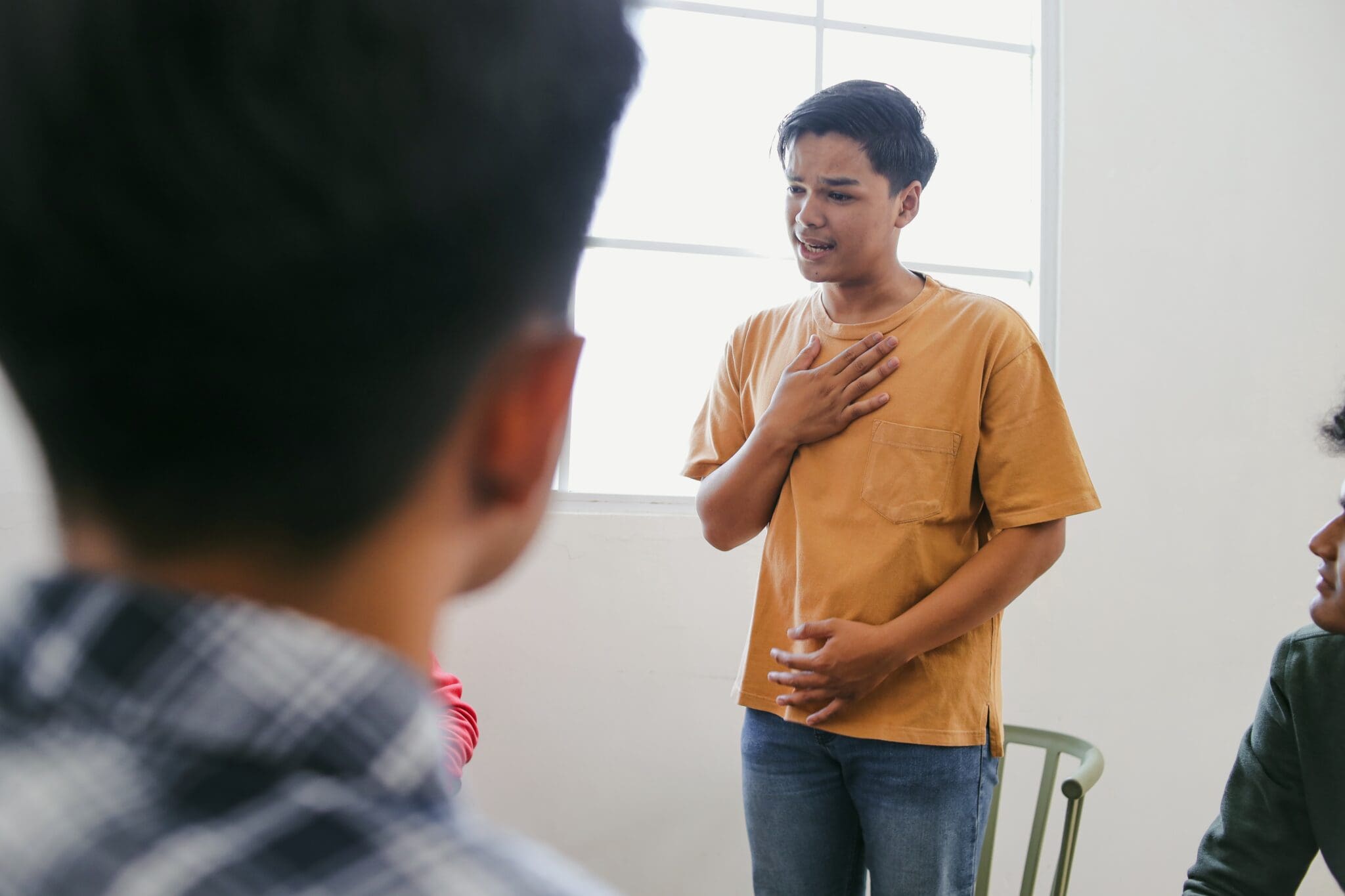
Grounding techniques for trauma symptoms
Grounding techniques help reconnect your attention to the present moment when your body feels stuck in threat mode. They do not erase distress or instantly stop trauma responses, but they can help your nervous system recognise that the danger is not happening right now.
Different approaches work for different people. Many techniques work by focusing attention on physical sensations, breathing, movement or the environment around you.
Some people find sensory grounding helpful, while others respond better to movement, touch or verbal reminders that they are safe in the present. It can help to practise grounding techniques while relatively calm, so they feel more familiar during periods of stress, flashbacks or dissociation.
If grounding feels difficult during intense symptoms, start as simply as possible. Focus on one thing you can physically feel, such as your feet on the floor or the sensation of a slow exhale. If it helps, try being near a person, object or place that feels familiar and safe.
Here are practical grounding techniques you can try.
5-4-3-2-1 sensory grounding
Look around and name:
- 5 things you can see
- 4 things you can feel (feet on floor, clothing, chair)
- 3 things you can hear
- 2 things you can smell
- 1 thing you can taste
Say the items out loud if you can. That adds a verbal anchor.
Temperature change
Cold sensations can sometimes help interrupt panic or bring you back into the present moment. Some people find it helpful to:
- Hold a cold drink
- Splash cold water on their face
- Hold an ice cube or something chilled for a few seconds
The idea is not to shock yourself or force the feeling away. It’s simply a way to help your body slow down and refocus.
Orienting to safety
Slowly look around the room and tell yourself:
- “I am here, in my home/workplace.”
- “The date is…”
- “I am safe right now.”
- “That event is not happening now.”
Even if this feels awkward at first, you may find it helpful when repeated over time.
Feet and pressure
Press your feet into the floor and notice the pressure. Then press your hands together firmly for 10 seconds and release. Repeat a few times. This can help your body feel contained and present.
Name and locate the feeling
Instead of arguing with your reaction, try naming it:
- “My body is in threat mode.”
- “This is a flashback response.”
- “I feel fear in my chest and throat.”
Then add: “I can support myself through this.” Naming the trauma response reduces confusion and shame, which can lower activation over time.
A grounding object
Carry something small with texture, such as a smooth stone, keyring or piece of fabric. When you feel triggered, focus on its details – its shape, edges, temperature, weight.
How to calm your nervous system
Calming your nervous system does not mean you never get triggered. It means you build capacity to return to safety more often and more quickly. Think of it like strengthening a muscle.
Below are realistic approaches that many people find useful.
Work with your breath, especially the exhale
For some people, slowing the breath can help reduce the physical intensity of panic or hypervigilance. A slightly longer exhale may help the body settle enough to think more clearly. Try:
- Inhaling for 4 and exhaling for 6 for a few rounds
- Breathing out slowly, as if you are fogging a mirror
Breathing exercises don’t work for everyone. Some people become more aware of panic or bodily sensations when focusing on their breathing. If that happens, it may help to keep the exercise brief or focus on grounding through movement or touch instead.
Use rhythmic movement
Gentle, repetitive movement could help you feel more physically grounded when you’re feeling anxious, restless or overwhelmed. This is because it can help release some of the physical tension that builds during stress or hypervigilance.
Ideas include:
- Walking at a steady pace
- Rocking slightly in a chair
- Stretching slowly
- Doing simple, repetitive tasks like tidying or folding laundry
Create a calmer environment
Your surroundings can affect how tense or settled you feel. Small changes sometimes make it easier for the body to relax, especially during periods of stress or overstimulation.
Some people find comfort in:
- Softer lighting in the evening
- Familiar scents or textures
- A warm drink or blanket
- Music that feels calming or familiar
These things do not remove trauma responses, but they can help make the present moment feel more stable and predictable.
Use calmer internal language
During intense stress or panic, the way you speak to yourself can affect how overwhelmed you feel. Some people find it helpful to use short, grounding reminders, such as:
- “My body thinks I’m under threat right now.”
- “This feeling will pass.”
- “I can focus on one thing at a time.”
Make space for recovery
Constant stress, overwork or emotional pressure can keep the nervous system in a heightened state for long periods of time. Recovery often involves creating more moments where your body is not constantly preparing for the next problem.
That could mean:
- Taking short breaks during the day
- Reducing pressure where possible during difficult periods
- Spending time with people who feel safe or calming
- Allowing time for rest without feeling the need to “earn” it
Support the basics
Trauma responses are psychological, but they are also physical. Lack of sleep, irregular meals, dehydration or too much caffeine can make symptoms feel more intense. Focus on basic routines such as:
- Eating regularly
- Drinking enough water
- Keeping a consistent sleep routine
- Limiting caffeine if it worsens anxiety
- Gentle movement or exercise if it feels manageable
When to seek help
Many people try to manage their trauma responses alone, especially if they worry they “should be over it” or they fear being judged. However, seeking help is a practical step when your system has been carrying too much for too long.
Consider seeking professional support if:
- Symptoms last more than a month and feel intense or disruptive
- You are avoiding everyday activities, places or relationships
- You have frequent flashbacks, nightmares or feelings of panic
- You dissociate often or feel disconnected from reality
- You feel persistently numb, hopeless or overwhelmed
- You use alcohol, drugs or risky behaviours to cope
- You struggle to feel safe, even in safe environments
- You have thoughts of self-harm or suicide
Routes to support in the UK
- GP support – your GP can check physical symptoms, discuss mental health and refer you to appropriate services. They can also help with sleep problems, anxiety or low mood while you wait for therapy.
- NHS talking therapies – in England, you can often self-refer to NHS talking therapies. Some services offer trauma-focused therapy, while others begin with stabilisation work such as anxiety management, grounding and coping strategies.
- Specialist services – some organisations provide support for specific experiences. For example, Victim Support supports people affected by crime, while Rape Crisis England & Wales offers specialist support for sexual violence.
- Private therapy – if you choose private therapy, look for a registered therapist. Directories, such as the British Association for Counselling and Psychotherapy register or the UK Council for Psychotherapy register, can help you find qualified professionals. You can also ask therapists whether they have experience supporting people with trauma.
What trauma-focused therapy can look like
Different people benefit from different approaches. A therapist may offer:
- Stabilisation and grounding first, so you build safety skills
- Trauma-focused CBT, which works with thoughts, feelings, and behaviours
- EMDR, which helps you process traumatic memories in a structured way
- Approaches that include body-based regulation, especially if symptoms show up physically
- Support with shame, boundaries and relationship patterns, especially for complex trauma
- Working at a pace that feels manageable, because safety matters in trauma recovery
If you need urgent help
If you feel at immediate risk, call 999 or go to A&E. If you need someone to talk to right now, you can contact Samaritans any time.
Final thoughts
Trauma responses can feel confusing, especially when you do not understand why your body reacts so strongly to certain situations. Many people blame themselves for reactions that are actually rooted in survival and stress.
Understanding trauma responses can make those patterns feel less frightening and easier to manage. It can also help you recognise when support, rest or boundaries are needed.
Recovery is rarely straightforward. Some periods may feel easier than others, particularly during stress or reminders of the past. That does not mean you are back at the beginning.
With time, support and safer experiences, many people find that trauma responses become less intense and easier to live with.