In this article
A seizure is a sudden, uncontrolled electrical disturbance in the brain. It can alter behaviour, movements, feelings, or levels of consciousness, depending on which part of the brain is affected. Some seizures manifest as subtle lapses of awareness lasting only a few seconds, while others involve full-body convulsions that can last several minutes. For patients, carers, and educators in the UK, understanding what a seizure entails is the first step toward effective recognition, timely response, and long-term management.
Seizures arise when clusters of neurons in the brain fire excessively or synchronously, disrupting normal signalling pathways. This aberrant electrical activity may be provoked by a specific trigger, such as high fever in young children, or occur without an obvious precipitant. In many cases, seizures are one symptom of an underlying neurological condition known as epilepsy; however, not all seizures indicate epilepsy, and not all epileptic syndromes present the same way. Proper classification of seizure types is therefore essential for accurate diagnosis, appropriate first-aid measures, and tailored treatment strategies.
In the UK, awareness campaigns and training programmes developed by organisations such as Epilepsy Action and the NHS have improved public knowledge of seizures. Yet seizures remain surrounded by myths and misconceptions, which can hinder swift recognition and compassionate care. By demystifying the various seizure types – ranging from focal episodes that affect only part of the brain to generalised seizures that involve both hemispheres – this article aims to equip families, schools, and healthcare professionals with clear, practical information specific to the UK context.

Seizure vs. Epilepsy: Clarifying the Terms
The terms “seizure” and “epilepsy” are often used interchangeably, but they represent distinct concepts. A seizure describes a single event of abnormal electrical brain activity, whereas epilepsy refers to a chronic neurological disorder characterised by a tendency to have recurrent, unprovoked seizures. According to the British National Formulary and NHS guidance, a diagnosis of epilepsy typically requires at least two unprovoked seizures occurring more than 24 hours apart, or one seizure with a high risk of recurrence.
Transient causes of seizures – that is, events that are provoked by temporary factors – do not necessarily imply epilepsy. Examples include seizures in the context of acute head injury, severe hypoglycaemia, alcohol withdrawal, or high fever in a young child. In these instances, treating the underlying cause often prevents further seizures; long-term antiepileptic therapy may not be required. In contrast, epilepsy encompasses a spectrum of syndromes, from benign childhood forms such as Panayiotopoulos syndrome to severe developmental and epileptic encephalopathies. Recognising this distinction is crucial, as it informs both the urgency of medical referral and the design of educational support plans in schools.
For educators and carers, understanding that a single seizure does not equate to epilepsy helps avoid unnecessary anxiety. In school settings, staff trained under the DfE’s statutory guidance on supporting pupils with medical conditions can distinguish between a one-off febrile seizure and an epileptic event requiring a formal care plan. Parents, too, benefit from early reassurance when a seizure occurs, while still being guided through appropriate referral pathways to paediatric or adult neurology services.
Focal (Partial) Seizures: Simple and Complex
Focal seizures originate in a localised area of the brain and are divided into two main categories: focal aware (previously “simple partial”) and focal impaired awareness (formerly “complex partial”). In focal aware seizures, the individual remains conscious and can often recall the event. Symptoms vary according to the brain region involved: a seizure in the motor cortex may cause involuntary twitching of an arm or leg, while temporal lobe involvement can provoke unusual smells, tastes, or emotions.
Focal impaired awareness seizures, on the other hand, involve a disturbance of consciousness or awareness. Patients may appear confused, unresponsive, or perform repetitive movements – known as automatisms – such as lip-smacking, fumbling with clothing, or wandering. These seizures often begin with an aura, a subjective warning sign like a rising epigastric sensation, déjà vu, or auditory hallucinations, before progressing to impaired consciousness. After the seizure, a post-ictal period of confusion or drowsiness can last minutes to hours.
Accurate identification of focal seizure features is vital. In the UK, electroclinical correlation via video-EEG telemetry in specialist epilepsy centres helps localise seizure onset zones, guiding treatment decisions including surgery. Children or adults experiencing recurrent focal seizures may be candidates for resective surgery or neuromodulation if medications fail to control their seizures. Meanwhile, school-based seizure care plans should note the patient’s typical focal seizure presentation to ensure immediate safety measures, such as guiding students away from staircases or busy corridors, are enacted.
Generalised Seizures: Absence, Tonic-Clonic, Myoclonic, Atonic
Generalised seizures engage both cerebral hemispheres from the onset and encompass several distinct types. Absence seizures are brief (typically 10-20 seconds) lapses of awareness, marked by a sudden arrest of activity and a blank stare. They often occur multiple times daily, most commonly in children aged 4-12, and can significantly disrupt learning if undetected. On EEG, they demonstrate characteristic 3 Hz spike-and-wave discharges.
Tonic-clonic seizures, previously known as grand mal, are among the most dramatic. They begin with a tonic phase, characterised by widespread muscle stiffening and possible vocalisation, followed by a clonic phase of rhythmic jerking of limbs. Loss of consciousness is universal, and the post-ictal period may involve deep sleep, confusion, and headache. Due to the risk of injury, first-aid for tonic-clonic seizures emphasises protecting the head, securing a clear airway, and timing the seizure duration.
Myoclonic seizures consist of sudden, brief, shock-like muscle jerks that may involve one limb, part of the body, or the entire body. These can occur in isolation or as part of syndromes such as juvenile myoclonic epilepsy. Patients are typically conscious and recover immediately, though frequent myoclonic jerks can impair tasks like writing or eating.
Atonic seizures, sometimes called “drop attacks,” involve an abrupt loss of muscle tone, leading to sudden falls. They are relatively rare but carry a high risk of head injury. In certain epileptic encephalopathies, children may use protective helmets to mitigate these risks. In schools, staff must be trained to prevent dangerous falls and to allow the student to recover without restraint.
Understanding the nuances of generalised seizure types allows clinicians to tailor pharmacotherapy, such as ethosuximide for absence or sodium valproate for tonic-clonic, and equip carers and educators with targeted first-aid and safety strategies.
Febrile Seizures in Children
Febrile seizures affect approximately 2–5 percent of children aged 6 months to 5 years and occur in the context of a rapid rise in body temperature, usually above 38°C. Classified as simple (generalised tonic-clonic convulsions lasting under 15 minutes, not recurring within 24 hours) or complex (focal features, duration over 15 minutes or recurrence within 24 hours), febrile seizures are alarming but carry an excellent prognosis for most children.
UK guidelines from the National Institute for Health and Care Excellence (NICE) recommend that children experiencing a first simple febrile seizure should undergo clinical assessment to exclude serious infection, but do not routinely require EEG, neuroimaging, or referral to neurology. Management focuses on identifying the infection source and educating parents on fever control and seizure first-aid. In the event of prolonged febrile seizures (>5 minutes), carers should administer buccal midazolam if prescribed or call emergency services for rescue therapy.
Educators in nurseries and schools must recognise that a febrile seizure does not imply epilepsy; most children outgrow this susceptibility by age five. However, a clear febrile seizure care plan – including guidance on administering antipyretics, monitoring temperature, and implementing rescue medication – is essential to reassure staff and swiftly manage any recurrence.
Status Epilepticus: A Medical Emergency
Status epilepticus (SE) is defined as a seizure lasting longer than 5 minutes or recurrent seizures without return to baseline consciousness between episodes. It constitutes a neurological emergency with substantial morbidity and mortality if not treated promptly. In the UK, national ambulance protocols and hospital stroke/acute neurology pathways prioritise rapid administration of benzodiazepines in the community and expedited transfer to emergency departments.
First-line treatment typically involves intravenous lorazepam or buccal midazolam, followed by second-line agents such as intravenous phenytoin, levetiracetam, or phenobarbital if seizures persist. Refractory SE may necessitate anaesthetic-level sedation in an intensive care setting. Clinicians must also investigate underlying causes – metabolic derangements, infections, structural brain lesions, or medication non-adherence – while stabilising airway, breathing, and circulation.
For carers and school staff, recognising prolonged or repeated convulsions as SE triggers immediate activation of emergency services (dialling 999) and delivery of any prescribed rescue medication. Clear documentation in individual healthcare plans ensures that paramedics and hospital staff receive vital information about the patient’s baseline, usual seizure types, and current therapies.
Psychogenic Non-Epileptic Seizures (PNES)
Psychogenic non-epileptic seizures (PNES), also called functional seizures, resemble epileptic seizures yet lack the electrographic correlates on EEG. They arise from psychological processes, often linked to trauma, stress, or underlying psychiatric conditions. PNES can present with dramatic thrashing movements, prolonged shaking, or episodes of unresponsiveness, making them difficult to distinguish from epileptic events without video-EEG monitoring.
In the UK, multidisciplinary teams – including neurologists, psychiatrists, and psychologists – collaborate to diagnose PNES. A typical approach involves inpatient video-EEG telemetry to capture an event and demonstrate the absence of epileptiform activity, followed by psychiatric assessment. Management centres on explanation, cognitive behavioural therapy, and stress-reduction techniques, rather than antiepileptic drugs, which are ineffective and potentially harmful in PNES.
Educators and carers should be informed that PNES are not under the individual’s conscious control and require a compassionate, non-judgemental response. School support plans often include strategies for de-escalation, emotional regulation, and liaison with mental health services.
Common Triggers and Aetiologies
Seizures may be provoked by a variety of triggers, and identifying these can reduce seizure frequency and improve quality of life. Common precipitants include sleep deprivation, alcohol misuse, flickering lights (photosensitive epilepsy), menstrual cycle fluctuations, and acute illnesses. In children, acute fever often precipitates febrile seizures, while in adults, metabolic disturbances such as hyponatraemia or hypoglycaemia, and infections including meningitis, can trigger acute symptomatic seizures.
Underlying aetiologies span genetic, structural, metabolic, immune-mediated, and infectious causes. Advances in neuroimaging and genetic testing have refined our understanding: for instance, focal cortical dysplasia underlying drug-resistant focal epilepsy may be visualised on high-resolution MRI, while mutations in SCN1A are implicated in Dravet syndrome. Identifying a specific cause enables targeted therapies, such as resective surgery for focal structural lesions or immunotherapy for autoimmune encephalitides.
In educational settings, awareness of individual triggers informs adjustments in routine. For example, ensuring adequate sleep, minimising exposure to known visual triggers during art classes or assemblies, and monitoring hydration during sports can be integrated into a personalised care plan.
Diagnosing Seizure Types: EEG and Other Tests
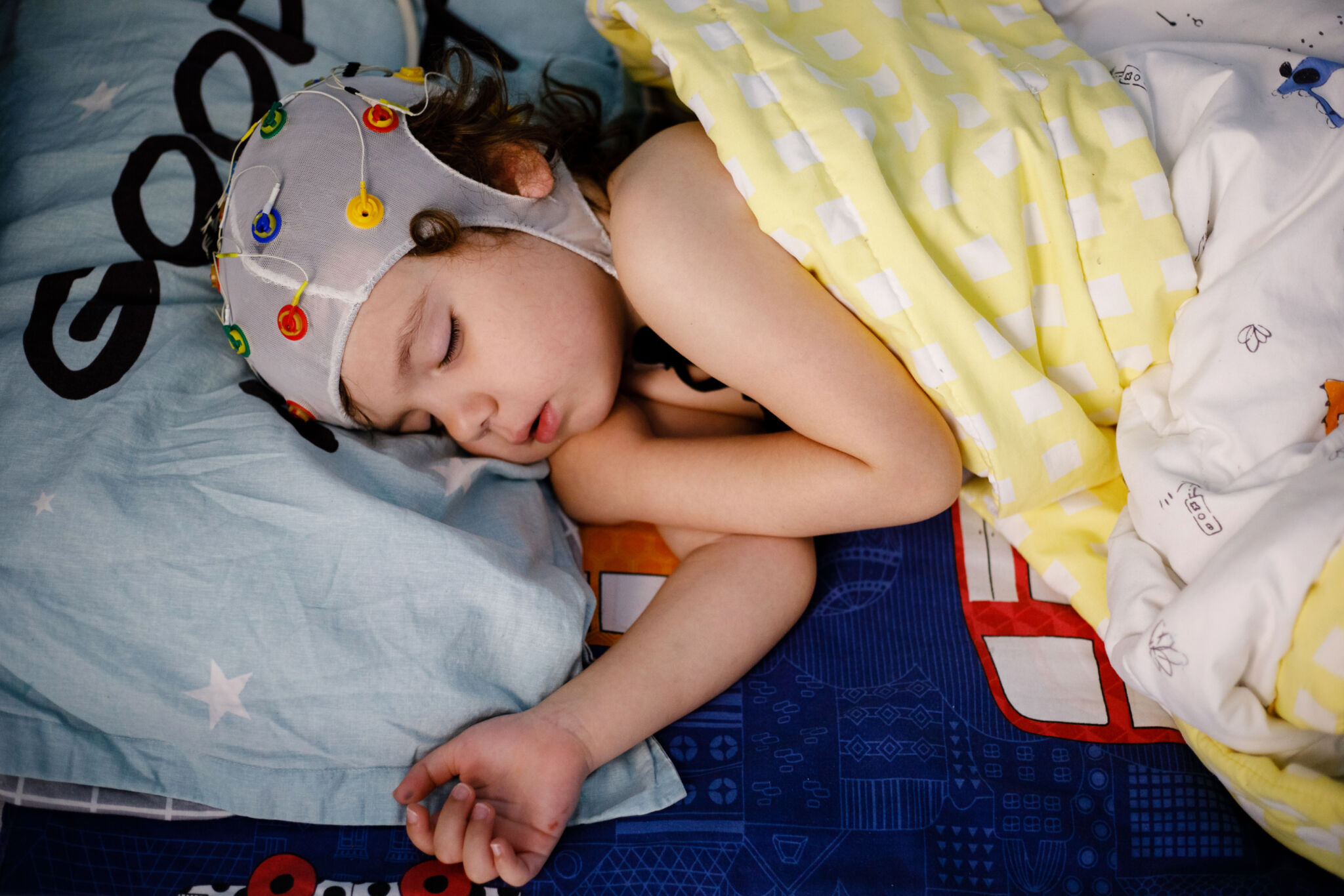
The cornerstone of seizure classification is electroencephalography (EEG), which records electrical activity in the brain. Routine EEG may capture interictal epileptiform discharges, such as sharp waves or spikes, supporting an epilepsy diagnosis and suggesting a generalised or focal syndrome. Ambulatory and video-EEG telemetry provide prolonged monitoring, increasing the likelihood of capturing rare events and correlating clinical behaviour with EEG patterns.
Structural imaging via magnetic resonance imaging (MRI) is indicated for patients with focal seizures, developmental delays, or abnormal neurological examination, as it can reveal lesions such as tumours, hippocampal sclerosis, or malformations of cortical development. In certain contexts, computed tomography (CT) is used acutely to exclude haemorrhage or large structural lesions.
Additional investigations include metabolic panels, cerebrospinal fluid analysis for suspected central nervous system infection or autoimmune markers, and genetic studies for early-onset or syndromic epilepsies. Neuropsychological testing assesses cognitive impact and helps guide educational accommodations.
A precise diagnosis – combining clinical semiology, EEG findings, and imaging – directs optimal management, minimises unnecessary treatments, and shapes long-term prognosis discussions with patients and families.
First Aid and Immediate Response in the UK
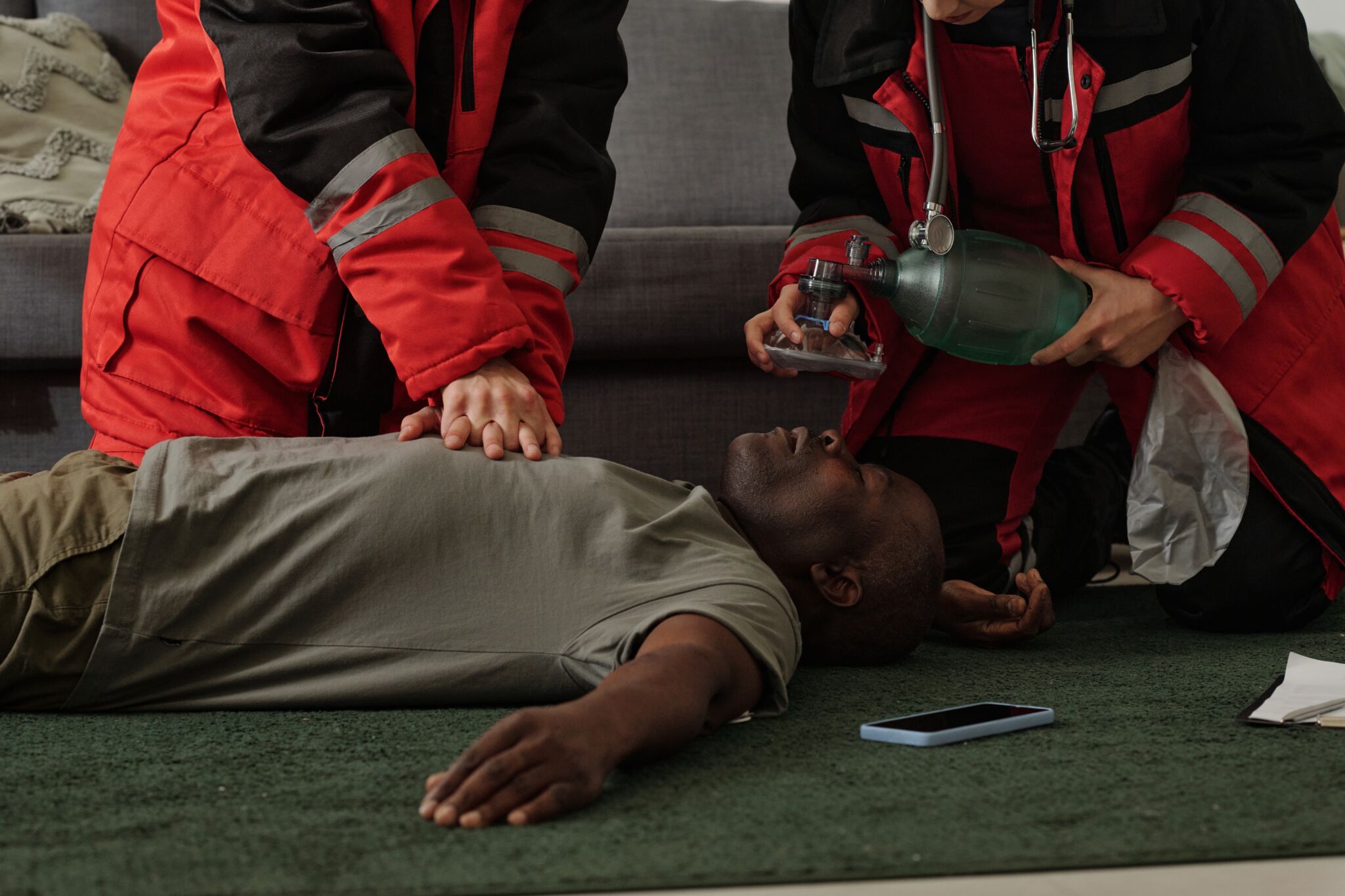
Effective seizure first aid can save lives and reduce complications. In the UK, guidance from the Resuscitation Council and Epilepsy Action emphasises four key steps for tonic-clonic seizures: stay with the person, protect them from injury, cushion their head, and roll them into the recovery position once convulsions cease. Do not restrain movements, place anything in the mouth, or attempt to give fluids until fully conscious.
If a seizure lasts longer than five minutes, or if multiple seizures occur without recovery, dial 999 and request an ambulance. Administer any prescribed rescue medication, such as buccal midazolam or rectal diazepam, only if you have been trained and it is included in the individual’s care plan. For absence, myoclonic or simple focal seizures that are brief and do not impair breathing, observation and reassurance are usually sufficient.
Schools must maintain easily accessible first-aid equipment and an emergency buccal midazolam kit if indicated, and ensure staff receive annual training on seizure management. Detailed individual healthcare plans provided by the child’s healthcare team outline specific first-aid measures and contact information for parents and epilepsy nurses.
Treatment Options: Medication, Surgery, and Neurostimulation
Antiepileptic drugs (AEDs) form the foundation of seizure management. Selection depends on seizure type, patient age, comorbidities, and potential side effects. Common first-line agents include sodium valproate (reserved with caution in women of childbearing potential due to teratogenicity), lamotrigine, carbamazepine, and levetiracetam. Treatment follows a “start low, go slow” principle to minimise adverse effects while reaching therapeutic doses.
Approximately one-third of patients have drug-resistant epilepsy, defined as failure of two tolerated and appropriately chosen AED regimens. For focal drug-resistant epilepsies, surgical options such as anterior temporal lobectomy or lesionectomy can lead to seizure freedom in selected candidates. The UK’s specialist centres perform rigorous evaluation, including video-EEG, neuropsychology, and MRI, to identify suitable surgical targets.
Neurostimulation therapies have expanded treatment possibilities. Vagus nerve stimulation (VNS) delivers intermittent electrical pulses to the vagus nerve, reducing seizure frequency over time. Responsive neurostimulation and deep-brain stimulation are emerging modalities with promising results in refractory cases.
Adjunctive approaches, including the ketogenic diet in children and some adults, provide further avenues for seizure control. Multidisciplinary teams in tertiary centres tailor complex treatment pathways and monitor outcomes to optimise seizure reduction and quality of life.
Living Well: Lifestyle and Self-Management Strategies
Beyond medical treatments, lifestyle modifications play a pivotal role in seizure management. Maintaining regular sleep patterns is crucial, as sleep deprivation lowers seizure threshold. Balanced nutrition, stress reduction techniques – such as mindfulness and relaxation exercises – and avoidance of known triggers support better control. For photosensitive epilepsy, wearing trans-spectral tinted lenses and avoiding flickering lights minimises risk.
Empowering patients through epilepsy education programmes, such as Epilepsy Action’s masterclasses, fosters self-management skills. Apps and diaries to track seizure frequency, triggers, and medication adherence enhance patient–clinician communication and guide treatment adjustments. Encouraging participation in exercise and hobbies supports mental well-being, while peer support groups help reduce feelings of isolation.
For adolescents and adults, clear guidance on DVLA driving regulations helps navigate license applications and seizure-free intervals required to drive legally. Employment support, through Disability Confident employers and Access to Work schemes, enables safe workplace adaptations and fosters independence.
Support Networks: Charities and NHS Resources
In the UK, a network of charities and NHS services offers comprehensive support to people affected by seizures. Epilepsy Action provides helplines, local support groups, and educational resources for patients and carers. Young Epilepsy specialises in children and young people, offering residential care, schooling, and family support. Epilepsy Research UK funds cutting-edge studies into new treatments and seizure prevention.
Within the NHS, specialist epilepsy clinics – often based in major hospitals – deliver multidisciplinary care including neurology, neuropsychology, dietetics, and epilepsy nursing. Epilepsy specialist nurses are integral to community follow-up, medication reviews, and issuing rescue medication prescriptions. The NHS England Right Care pathways guide referral to epilepsy surgery centres and ensure equitable access to advanced therapies.
For educators, the DfE’s “Supporting pupils at school with medical conditions” statutory guidance and local authority forums unite health and education professionals to develop individual healthcare plans and emergency protocols. School nurses liaise closely with families to implement seizure action plans and training sessions for teaching staff.
Together, these organisations form a robust scaffold around individuals and families, ensuring that no one faces seizures or epilepsy alone. Through education, advocacy, and research, UK charities and NHS services continue to improve seizure recognition, treatment options, and quality of life for those living with these diverse neurological events.
Conclusion
Understanding the diverse nature of seizures and epilepsy is essential for timely diagnosis, effective treatment, and compassionate care. From recognising seizure types and triggers to exploring medical interventions and lifestyle strategies, this overview highlights the importance of a holistic approach. With the right support, from healthcare professionals, charities, and community networks, individuals affected by seizures can lead empowered, fulfilling lives.
Ongoing education, tailored self-management plans, and access to multidisciplinary care are key to improving long-term outcomes. As research continues to advance diagnostic tools and therapeutic options, fostering awareness and reducing stigma remain critical in supporting those living with epilepsy across all stages of life.