In this article
Why office health and safety still matters
Office environments might not carry the obvious dangers of a building site or factory floor, but they still have a unique blend of risks that can add up over time.
Desk work is sedentary by nature. Sitting for long periods, combined with repetitive tasks such as typing and mouse use, can cause musculoskeletal disorders – including neck strain, lower back pain and repetitive strain injuries – if ergonomic best practices are overlooked.
Everyday hazards add to the picture. Trailing cables, worn flooring and poor lighting can cause anything from a minor sprain to a more serious fracture.
Work-related stress and mental health challenges are just as important. These psychosocial factors are tangible hazards. Left unaddressed, they contribute to increased absenteeism, reduced productivity and higher staff turnover – substantial costs for the business.
In the UK, employers have a clear, legal duty to protect their workers. A single workplace accident or a stress-related absence may lead to:
- Enforcement action from the Health and Safety Executive (HSE)
- Civil claims for compensation
- Reputational harm
Often, companies that invest in comprehensive risk management and employee well-being see a tangible return: staff with higher morale who are more engaged and less likely to leave. It can also help reduce insurance premiums.
Creating a culture of safety also supports wider governance and sustainability goals and shows that staff safety is valued.
Ultimately, when people at every level are encouraged to spot hazards, share ideas and take part in safety initiatives, organisations become more resilient, adaptable and ready for the future.
Office health and safety in the UK: Legal requirements
The Health and Safety at Work etc. Act 1974 is the main legislation for UK workplaces. It imposes a general duty on employers to protect employees’ health, safety and welfare “so far as is reasonably practicable”. It also requires employees to take reasonable care of their own safety and that of others affected by their actions.
The Act sets out a framework rather than fixed rules. The detail is set out in supporting regulations that cover areas such as manual handling, display screen equipment (DSE) and fire safety.
Compliance with HASAWA rests on two main pillars:
- Proactive risk assessment – employers must identify foreseeable hazards, weigh up their potential impact and decide how best to manage them.
- Effective risk control – once risks are identified, employers must put measures in place to eliminate or reduce them to a safe level.
The concept of “reasonably practicable” balances the severity of hazard against the time, cost and effort needed to mitigate it. Large companies may be expected to invest more, but every employer must show they have taken sensible steps in good faith to protect staff.
Employers are also expected to consult their workforce on safety matters – providing clear information, instruction and training. They should keep records of risk assessments, accident investigations and health surveillance where required.
Failing to comply with the Health and Safety at Work etc. Act has serious consequences. The HSE may issue improvement or prohibition notices, unlimited fines and even custodial sentences for those found to have knowingly breached their duties. Reputational damage, high staff turnover and diminished stakeholder confidence can also affect the organisation.
Other key regulations:
- Manual Handling Operations Regulations 1992
- Health and Safety (Display Screen Equipment) Regulations 1992 (DSE Regulations)
- Regulatory Reform (Fire Safety) Order 2005 (Fire Safety Order)
- Reporting of Injuries, Diseases and Dangerous Occurrences Regulations 2013 (RIDDOR)
- Health and Safety (First-Aid) Regulations 1981
The role of employers and employees
Health and safety in the office is a shared responsibility that relies on clear roles and open communication.
Under the Health and Safety at Work etc. Act, ultimate accountability rests with the employer. They must provide a safe working environment, which includes:
- Adequate welfare facilities – ensuring staff needs are properly supported
- Safe systems of work – clear procedures that reduce risks
- Suitable equipment – maintained and fit for purpose
- Sufficient resources – time, people and money to identify and manage hazards
A documented health and safety policy, which outlines objectives, procedures for risk management and the individuals responsible for implementation, is key. In workplaces with five or more employees, this policy must be in writing and accessible to all staff.
Employees are expected to take reasonable care of their own safety and that of their colleagues. They must use office equipment correctly, follow established procedures and report hazards or near misses promptly. Simple actions – like ensuring exit routes stay clear, adjusting chairs to a comfortable height or flagging a persistent spill – can prevent injuries and create a safer environment for everyone.
Strong health and safety management depends on ongoing dialogue. Staff feel a sense of ownership when they are invited to take part in risk assessments, share concerns through safety committees or suggestion schemes, and see incident data openly discussed.
Conducting an office risk assessment
A structured risk assessment is the starting point for spotting and controlling hazards in any office environment.
Organisations should harness the risk assessment as an opportunity to engage staff, improve working conditions and reduce the likelihood of incidents.
The process begins with a systematic walk-through of the premises, looking at areas such as workstations, storage rooms, meeting spaces and communal areas. Assessors should keep an eye out for:
- Trip hazards – loose cables or cluttered walkways
- Spill-prone surfaces – kitchens, bathrooms or areas near entrances
- Fire escape routes – ensuring they are clear and well-marked
- Ergonomic stressors – poor chair setup or awkward workstation layouts
- Organisational factors – high workloads or cramped spaces
If hazards are identified, the assessment considers who might be harmed and how, taking into account office employees, cleaning and maintenance staff, visitors and contractors. Vulnerable groups – such as pregnant workers, people with disabilities or new starters – require particular attention.
A risk-rating matrix evaluates the likelihood and severity of each hazard, guiding the prioritisation of control measures. Following the hierarchy of controls, risks should be eliminated where possible or substituted for something safer. If that’s not realistic, engineering controls (like cable trays), administrative measures (like clear desk policies) and finally, personal protective equipment, can help reduce risks.
Keep a clear record of the assessment, complete with dates, names, findings and assigned actions. This demonstrates due diligence. Controls should have clear owners and review dates to ensure they remain effective.
Review risk assessments on an ongoing basis or whenever there are significant changes, such as new equipment in the office, reconfigurations or process updates.
Common office safety topics
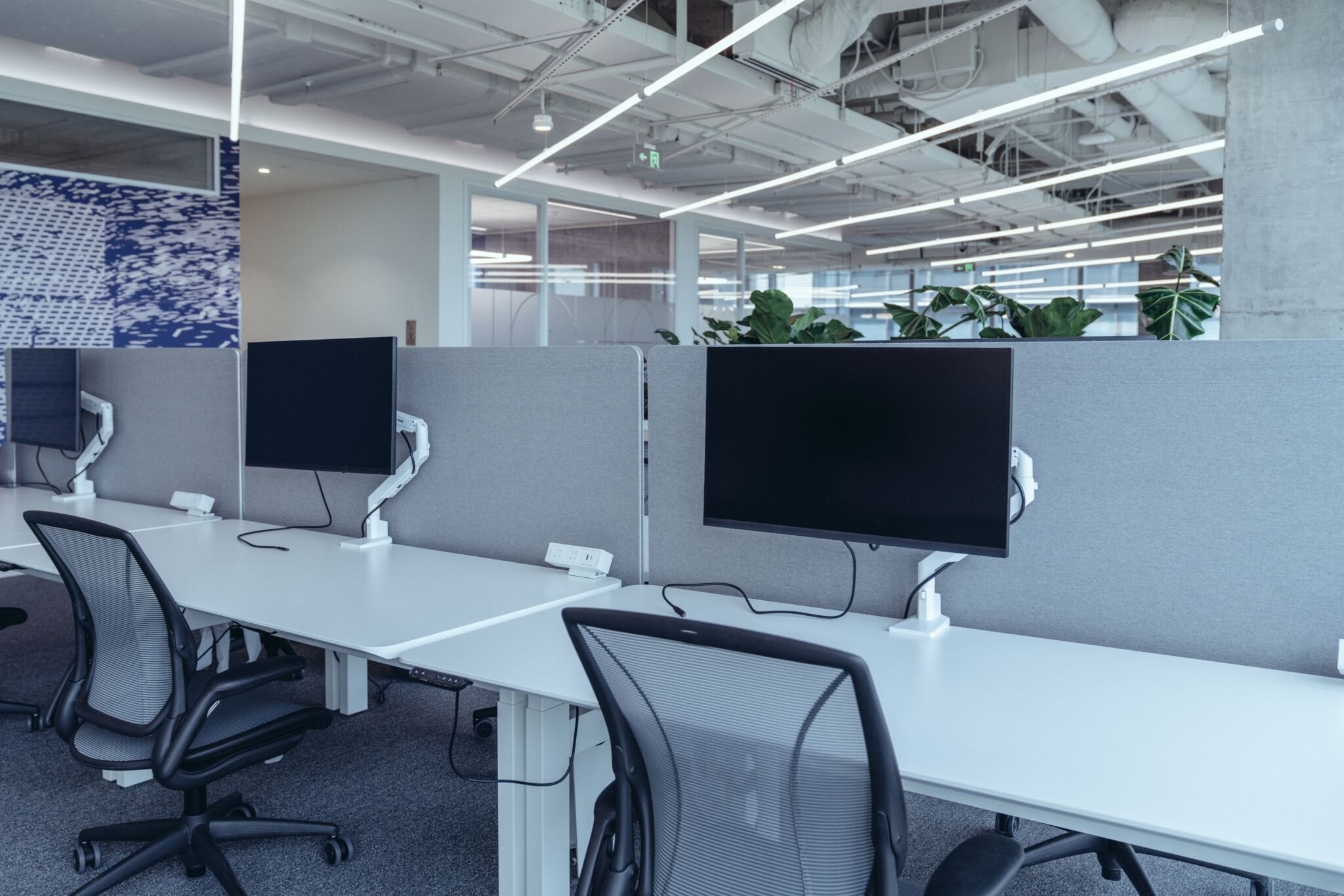
Workstation ergonomics and display screen equipment
Spending long hours at a desk is part of many office jobs, but without good ergonomics, it can take a toll. Poor workstation setup can lead to aches, strains and longer-term musculoskeletal problems. That’s why the Display Screen Equipment Regulations 1992 place clear responsibilities on employers to make sure workstations are safe and comfortable.
The most important step is ensuring that every desk setup supports a neutral posture. This helps reduce strain on the neck, back, shoulders and wrists. Some of the basics include:
- Chairs – adjustable height, backrest angle and proper lumbar support
- Desks – deep and wide enough to hold keyboards, mice and documents without awkward reaching
- Monitors – with the top of the screen at or just below eye level, at a comfortable viewing distance
- Footrests – essential when feet can’t rest flat on the floor
- Lighting – blinds, anti-glare screens or indirect lighting to reduce eye strain
Regular breaks are also vital. A brief pause every hour to stand, stretch and focus on an object at least 20 feet away (the “20-20-20 rule”) eases eye strain and encourages micro-movements that boost circulation.
It’s the organisation’s responsibility to train staff so that they are aware of best practices and know how to adjust their workstations correctly. Training programmes, embedded within induction and reinforced through periodic refreshers, can also teach staff to recognise early symptoms of discomfort.
Employers also need to fund eye tests and provide corrective glasses if screen use contributes to visual fatigue.
Slips, trips and falls: Common office hazards
Slips, trips and falls are a leading cause of non-fatal workplace injuries in offices. Environmental design and disciplined housekeeping practices that keep walkways clear and surfaces safe can help prevent incidents.
Here are some of the key points organisations should consider:
- Floor coverings – carpets should have secure edges, hard floors should be fitted with non-slip entrance mats, and threshold changes should be marked with contrasting edging. Regular checks, especially in stairwells, kitchens and bathrooms, help spot loose tiles, uneven joins or signs of wear.
- Cables – wires from computers, phones and chargers should be routed safely using under-floor cable channels, desk grommets and cord covers.
- Spill management – any liquids, whether from drinks or cleaning processes, should be removed immediately using absorbent materials. A warning sign helps keep staff aware of the risk until the area is fully dry.
Daily visual inspections and a simple system for staff to report near misses or minor hazards encourage everyone to play a part in keeping the workplace safe.
It also helps to analyse incident records. Identifying hotspots – for example, a particular corridor that gets slippery due to its proximity to an external door – and applying targeted fixes can help organisations drastically reduce the incidence of slips and trips.
Electrical safety in the office
Modern offices contain a wide range of electrical devices – from desktop computers and servers to kitchen kettles and phone chargers. This makes electrical safety a key part of risk management.
Under the Electricity at Work Regulations 1989, fixed installations must be designed, installed and maintained by competent electricians. Consumer units need to be clearly labelled, with residual current devices providing additional protection against earth faults.
Regular inspection and testing of wiring and distribution boards – usually every five years or in line with manufacturer guidance – ensure that the building’s electrical backbone stays reliable.
Portable appliances also need attention through systematic checks. Portable appliance testing (PAT) identifies frayed cables, damage to plugs or evidence of overheating in equipment. The frequency of PAT inspections depends on the device itself and its usage environment. For example, heavily used communal appliances need to be checked more often than individual devices.
Daily habits matter too, and this is where staff play a key role. Good practice includes:
- Switching off and unplugging – devices should be turned off when not in use, especially overnight and at weekends.
- Avoiding daisy chains – extension leads should not be linked together, as this can overload circuits.
- Reporting issues – any damaged cables, faulty plugs or flickering lights should be reported straight away so they can be removed.
- Using fixed sockets – adequate numbers of sockets reduce the need for adaptors and lower the risk of overloading.
- Clear labelling – a good labelling system makes it easier for electricians to act quickly when needed, showing test dates, inspection status and when the next check is due.
Fire safety procedures and equipment
Fire safety in office settings relies on several layers of protection: prevention, detection, containment and evacuation.
A thorough fire risk assessment, required under the Regulatory Reform (Fire Safety) Order 2005, looks at the following:
- Potential ignition sources (such as overloaded sockets or unattended kitchen appliances)
- Combustible materials like paper and cardboard
- Escape routes
- Assembly point locations
- Fire compartmentation strategies (designed to slow the spread of fire and help people get out safely)
Detection and alarm systems are the first line of defence, warning people in the building that smoke and heat are present. Fire doors and screens, which must never be propped open, help contain a blaze in the area it started, buying valuable time for evacuation.
Staff should be familiar with evacuation procedures. Clear signage and having trained fire wardens in the team help ensure that occupants can respond swiftly when alarms sound
A suite of fire-fighting equipment underpins these measures. Essential items typically include:
- Smoke and heat detectors linked to a central alarm system
- Fire extinguishers, such as CO2 units for electrical fires and foam extinguishers for common combustibles
- Fire blankets, which are particularly useful for small kitchen or desktop fires
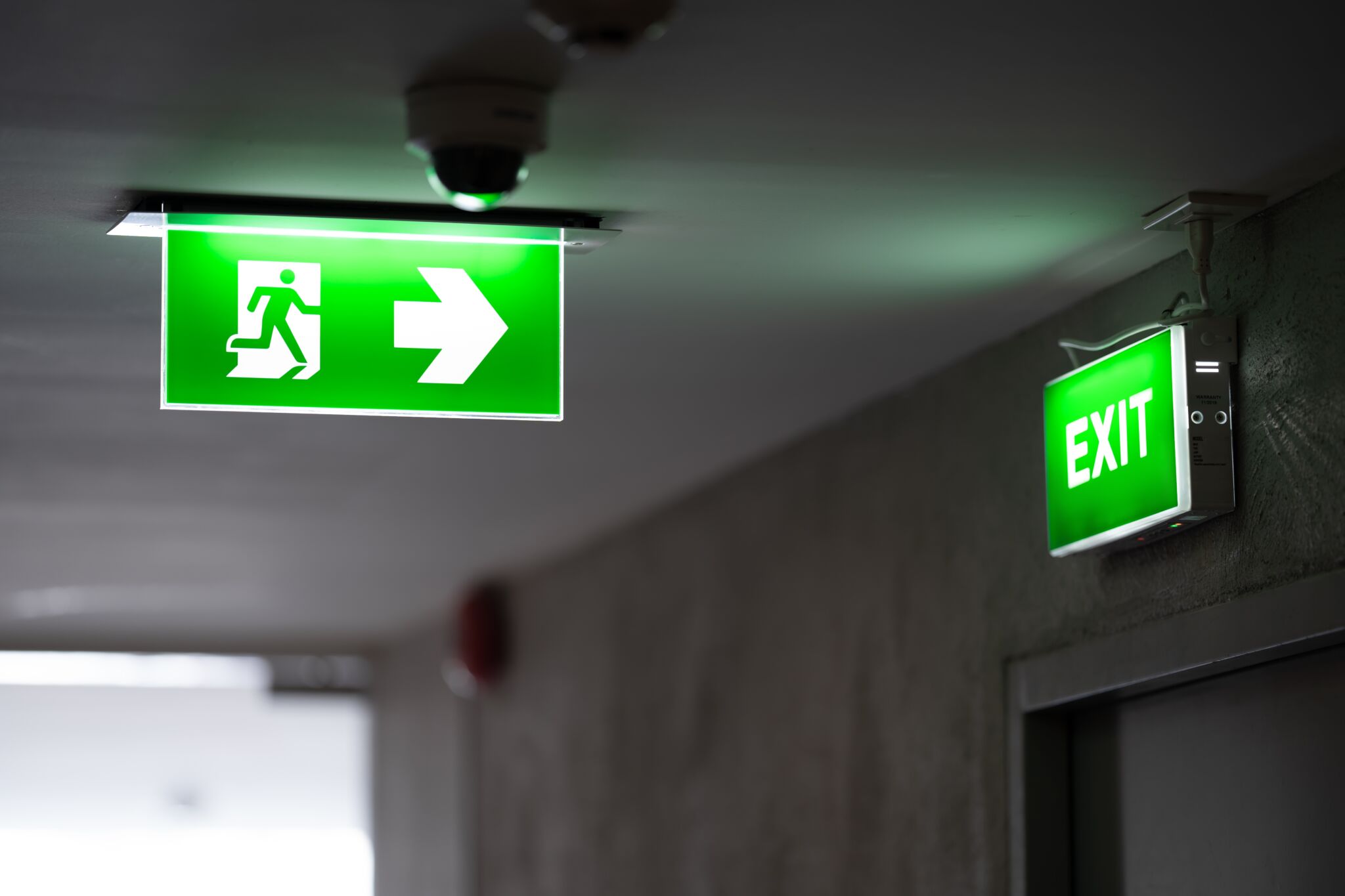
- Emergency lighting and illuminated exit signage, providing visible guidance during power failures
Routine checks, including the weekly inspection of escape routes, monthly alarm tests and quarterly extinguisher examinations, help keep the office and everyone in it prepared. Annual evacuation drills, held at different times of the day and with varying building occupancy, highlight potential bottlenecks and give staff the confidence to act swiftly and safely.
First aid in the office
Timely and competent first aid can make a huge difference in the outcome of workplace injuries.
The Health and Safety (First Aid) Regulations 1981 require employers to carry out a First Aid Needs Assessment. This should take into account staff numbers, shift patterns, workplace risks and how close the office is to medical facilities, like GP practices and hospitals.
Based on this assessment, employers should appoint enough trained first-aiders to cover all working hours. First-aiders should hold recognised qualifications, refreshed every three years, and their names and contact details must be clearly displayed throughout the workplace.
First raiders should provide well-stocked first-aid kits in accessible locations. They should contain materials suited to office-specific incidents, including:
- Sterile dressings – for covering cuts and grazes
- Bandages – to support sprains or secure dressings
- Gloves – to protect both first-aider and casualty
- Burn dressings for kitchen areas – to treat minor heat injuries
- Eye wash and eye pads – for managing minor eye injuries in DSE-intensive roles
Larger offices may benefit from a dedicated first-aid room or space for privacy and extended treatment.
Incident reporting
Every injury, however small, must be documented in an accident book or digital system, including the circumstances, treatment given and any follow-up actions.
Under RIDDOR, certain serious incidents – such as fractures, hospital admissions or dangerous near misses – must be reported to the HSE. Thorough investigation of all events uncovers root causes, enabling corrective measures that prevent incidents from happening again and strengthen overall safety for everyone in the office.
Air quality, lighting and temperature control
Environmental comfort in office settings directly impacts staff health, morale and productivity.
Good indoor air quality depends on several factors:
- Ventilation – without enough fresh air, carbon dioxide, dust and volatile organic compounds (VOCs) from furnishings and equipment can build up. This can leave staff struggling to concentrate, with headaches and irritated airways.
- Maintenance – employers should make sure ventilation systems are serviced regularly and air filters are replaced in line with guidance.
Windows – where available, these should be able to open safely without compromising security.
High-quality lighting has a direct impact on well-being and performance:
- Daylight – exposure to natural light supports circadian rhythms and mood. Too much glare or sharp contrast, though, can leave eyes tired and uncomfortable.
- Illuminance – artificial lighting should provide 300–500 lux for general tasks, with adjustable task lights available for detailed work.
- Glare control – diffusing panels or indirect fittings reduce harsh shadows, while blinds or anti-glare screens manage solar gain.
- Light quality – colour temperatures of 4,000–5,000 K give a natural daylight feel, and a colour rendering index (CRI) above 80 ensures accurate colour perception.
Comfortable temperature and humidity levels keep staff healthy and productive:
- Range – regulations recommend maintaining air between 18 °C and 24 °C, but preferences vary.
- Personal control – zoned systems, desk fans and heated seating pads allow staff to adapt conditions to their comfort.
- Humidity – levels between 40% and 60% help prevent dry eyes and skin while also discouraging mould.
- Maintenance – regular monitoring of HVAC systems, with prompt servicing when needed, keeps the environment consistent.
Mental health and stress management at work
The HSE’s Management Standards for work-related stress identify six areas that influence psychological well-being:
- Demands
- Control
- Support
- Relationships
- Role
- Change
Excessive workloads, unclear responsibilities and lack of autonomy can contribute to burnout and anxiety, while poor communication and inadequate manager support can worsen the problem.
Organisations can tackle psychosocial risks in the following ways:
- Begin with anonymous staff surveys or facilitated focus groups to uncover stressors and gauge perceptions of workload, support and career development.
- Carry out targeted interventions based on insights gained – such as workload realignment, clearer job descriptions or enhanced supervisory training.
- Train line managers in mental health awareness so they can recognise early warning signs, hold supportive conversations and direct colleagues to resources such as employee assistance programmes (EAPs) for counselling and stress management.
- Embed well-being initiatives into daily working life to strengthen resilience and help staff maintain work–life boundaries. Examples include flexible working policies, mindfulness sessions and dedicated quiet spaces.
- Run team-building activities and peer support networks to build camaraderie (particularly valuable in hybrid models).
- Leaders must model healthy behaviours to signal that psychological safety is as important as physical safety.
Safe manual handling practices
Even staff in office settings need to undertake manual handling tasks, and these carry the risk of musculoskeletal injury. Examples include receiving deliveries, lifting boxes of paper, relocating filing cabinets or setting up meeting rooms.
Under the Manual Handling Operations Regulations 1992, hazardous manual handling should be avoided where possible. Employers are expected to assess the risks of any remaining tasks and take steps to eliminate or reduce them.
Together, engineering controls, informed procedures and employee engagement help manage manual handling risks in the office setting.
Ergonomic storage design is the first step. Heavy items should be stored at waist height, shelving should be adjustable and trolleys should be easy to reach. When lifting is unavoidable, mechanical aids such as four-wheeled trolleys, lifting straps or pneumatic lifting devices can take much of the strain out of the job.
Rotating tasks and scheduling workloads helps employees avoid repetitive strain, while clearing floor routes and quickly removing slip or trip hazards help staff move loads smoothly.
For higher-risk activities, it helps to have a documented safe system of work. This should include risk assessment notes, equipment checklists and training records. Having these in place not only shows due diligence but also gives staff a clear, accessible point of reference.
Training and inductions for office staff
Effective health and safety training embeds policies and procedures in everyday practice.
An induction programme should introduce new employees to the organisation’s safety policy, hazard reporting methods and site layout, including first-aid stations, fire exits and ergonomic adjustment points. Practical demonstrations on things like using fire extinguishers help embed skills straight away.
Ongoing training keeps awareness high and addresses changing risks. A blended approach works best:
- E-learning – suitable for topics like data handling and GDPR
- Workshops – useful for manual handling, mental health first aid and emergency response
- Microlearning – short sessions on the intranet or mobile apps to reinforce key messages
- Quizzes and simulations – a way to test understanding and highlight knowledge gaps
A central training register should record completion rates, refreshers and competency levels. This helps identify where extra support may be needed.
Evaluating training through surveys, performance data and incident rates shows the return on investment. Recognising staff contributions, like suggestions to improve safety or active involvement in drills, builds ownership and creates a culture of improvement.
Remote and hybrid working considerations
Remote and hybrid working is becoming more common. It means employers are obligated to consider the health and safety of workers outside of the traditional office environment. It also introduces some unique risks.
Reviewing home working risk assessments regularly and updating remote-working policies as circumstances change helps employers maintain high standards of health and safety wherever staff are based.
Setting up a safe remote working environment
Employers should provide guidance on setting up safe workstations at home or outside the office.
- Self-assessment checklist – empowers remote workers to identify and resolve issues independently
- Virtual ergonomic assessments – provide personalised advice via video call from trained DSE assessors on equipment such as laptop stands, external keyboards and adjustable chairs
Lone worker policies
Lone worker policies safeguard staff working outside core hours or from isolated locations.
- Scheduled check-ins – confirm well-being and allow a quick response if help is needed
- Clear reporting protocols – ensure that off-site incidents connect staff to first aid or occupational health support
Mental health support for remote workers
Mental health support is particularly vital in remote contexts, where isolation and blurred work–life boundaries can intensify stress.
- Video catch-ups and team events – help maintain social bonds and build resilience
- Flexible schedules – allow staff to manage boundaries more effectively
- Employee assistance programmes, digital counselling and mindfulness apps – provide extra layers of care
Monitoring, auditing and continuous improvement
A strong, dynamic health and safety system in offices relies on data-driven monitoring, formal audits and a commitment to ongoing improvement. These measures aim to weave health and safety into the organisational fabric, so that employers can shift from reactive problem-solving to proactive risk management.
Organisations should track KPIs – such as incident and near-miss rates, days lost to musculoskeletal disorders, evacuation times during drills and training completion statistics – to assess safety performance. Dashboards and management reports distil this data for board-level review.
Internal audits, conducted by trained personnel or external consultants, check how well policies and regulations are being followed. They cover everything from the validity of PAT certificates to whether emergency lighting is working as it should.
Audit reports detail non-conformances, set out corrective actions and assign responsibility with clear deadlines. Follow-up checks then confirm that improvements have been made and that lessons learned are built into everyday procedures.
Feedback systems – employee surveys, safety committee meetings and anonymous suggestion channels – capture perspectives from those on the frontline. They may reveal emerging hazards or procedural friction points.
Each year, management reviews bring together audit findings, incident data and staff feedback. This helps judge how effective the health and safety system is and where resources should go next.

Useful tools and resources for compliance
Organisations can accelerate compliance and best practice by drawing on these helpful resources:
- HSE risk assessment templates, which can be customised to specific office layouts and hazard profiles
- Cloud-based safety management platforms centralising incident reporting, audit scheduling and document control
- Accredited e-learning modules covering topics from manual handling to mental health awareness and DSE regulations
- Employee assistance programmes delivering confidential counselling and well-being support
- Membership of professional bodies such as the Institution of Occupational Safety and Health (IOSH), granting access to expert guidance and networks
- Partnerships with local fire services or council health and safety teams, often offering free site visits, advice and tailored training