
In this article
Absence seizures, formerly known as “petit mal” seizures, are brief episodes of impaired consciousness without dramatic convulsions. They arise from simultaneous, generalised electrical discharges across both cerebral hemispheres, disrupting the brain’s normal activity for a few seconds. Unlike other seizure types, absence seizures often manifest as sudden pauses in ongoing behaviour – the individual may stare blankly, blink rapidly, or make subtle automatisms, such as lip-smacking or hand fiddling. Because they are so brief – typically lasting between 5 and 20 seconds – and often resolve without post-ictal confusion, absence seizures can easily go unnoticed or be mistaken for daydreaming, inattentiveness, or even shyness.
In the UK, around 10–17 percent of childhood epilepsies are classified as absence epilepsy, making it one of the more common paediatric seizure disorders. Early recognition is vital: undiagnosed absence seizures may occur dozens or even hundreds of times daily, fragmenting attention, impeding learning, and increasing the risk of accidental injury if episodes happen during activities such as crossing a road or climbing stairs. Understanding the neurophysiology, clinical presentation, and management options equips families, educators, and healthcare professionals to spot absence seizures promptly and intervene effectively.
This article explores absence seizures, covering what happens during an episode, how typical and atypical types differ, and how to recognise signs in children and adults. It explains diagnostic tools like EEG, common triggers, and the impact on learning and daily life. Readers will find guidance on treatment options, support strategies, and practical advice for families, schools, and navigating safety and legal issues.
What Happens During an Episode?
An absence seizure typically begins and ends abruptly. In the classic presentation, a child at play or in class will suddenly halt mid-sentence or mid-action, stare into space, and become unresponsive to external stimuli. Eyelids may flutter or blink rapidly, and hands might perform minor repetitive movements, such as picking at clothing. There is no warning aura, and recovery is instantaneous: once the seizure ceases, the child resumes their previous activity as though nothing happened, often without awareness that an episode occurred.
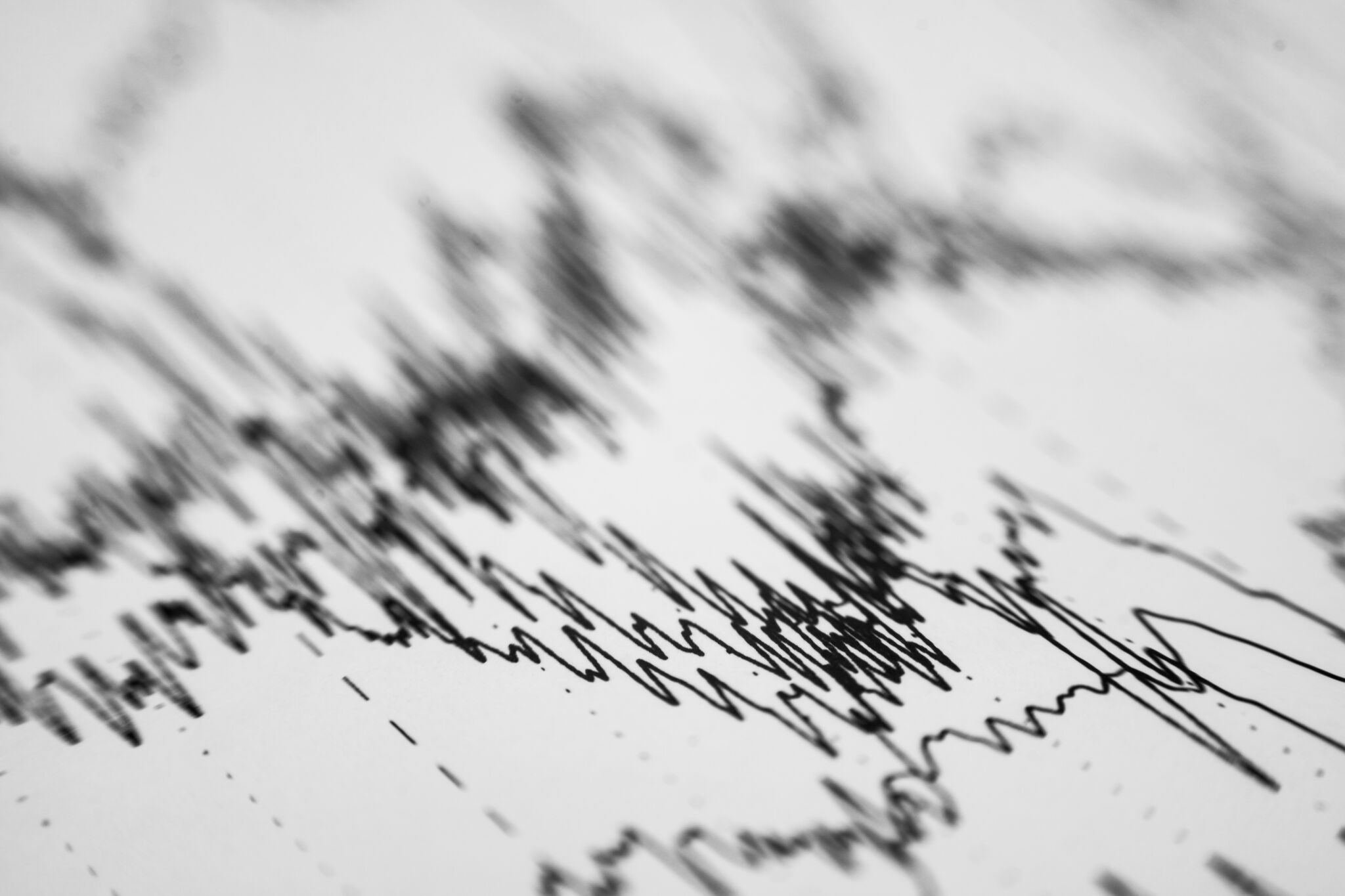
Behind the scenes, electroencephalography (EEG) reveals a hallmark 3 Hz spike-and-wave pattern, three spikes per second, reflecting rhythmic, hypersynchronous electrical discharges. These discharges interrupt the thalamocortical circuits responsible for attention and consciousness. In atypical absence seizures, seen in more severe epileptic encephalopathies, the spike-and-wave discharges may be slower (1–2.5 Hz), longer in duration, and accompanied by more pronounced motor signs or slower recovery.
Typical vs. Atypical Absence Seizures
Typical absence seizures are characterised by:
- Brief duration (5–20 seconds).
- Immediate recovery with no post-ictal confusion.
- EEG pattern of regular 3 Hz spike-and-wave discharges.
- Preserved muscle tone, allowing the individual to maintain posture without collapsing.
In contrast, atypical absence seizures often occur in more severe, mixed-seizure syndromes such as Lennox–Gastaut syndrome and certain epileptic encephalopathies.
They differ by:
- Longer duration (may exceed 20 seconds).
- Gradual onset and termination, creating a “fading in” and “fading out” effect.
- Slower EEG pattern (1–2.5 Hz spike-and-wave) with irregular amplitude.
- More pronounced motor signs, including head nodding, eye deviation, or automatisms.
- Post-ictal drowsiness or confusion, making them more disruptive.
Distinguishing between these types guides treatment choice and helps predict prognosis. Typical absence epilepsy often resolves spontaneously by late adolescence, whereas atypical forms frequently require lifelong, multi-drug regimens and carry greater cognitive impact.
Common Age of Onset and Risk Factors
Absence seizures most commonly begin between ages 4 and 10, peaking around 6–7 years. Girls are slightly more affected than boys.
Key risk factors and associations include:
- Family history of absence or generalised epilepsy: A positive familial predisposition suggests genetic susceptibility.
- Developmental or learning difficulties: Although many children with typical absence epilepsy have normal intelligence, those with atypical absence often exhibit cognitive or behavioural comorbidities.
- Co-occurrence of other generalised seizure types: In juvenile absence epilepsy, tonic-clonic seizures may begin in adolescence, while in childhood absence epilepsy, they typically do not.
- Photosensitivity: Approximately 30 percent of children with absence seizures have an abnormal EEG response to photic stimulation, i.e., flashing lights that can trigger episodes.
Early identification of these factors – particularly in children struggling academically or exhibiting frequent “daydreaming” – prompts referral for EEG assessment and, if confirmed, timely initiation of therapy.
Recognising the Signs in Children and Adults
In children, absence seizures often present as:
- Sudden, brief “staring spells” during conversation or instruction.
- Eyelid fluttering, lip-smacking, or simple hand movements.
- No memory of the event; the child resumes activity seamlessly.
- Multiple episodes daily, sometimes dozens or hundreds.
Adults may retain absence seizures into later life or develop juvenile absence epilepsy during adolescence. In these cases, the presentation is similar but can be misinterpreted as:
- Daydreaming or zoning out, especially in busy work or social settings.
- Distraction or difficulty concentrating during meetings or discussions.
- Automatic completion of ongoing tasks once awareness returns, masking lost time.
Family members, teachers, and employers need to understand that these brief lapses are neurological events, not behavioural issues or lack of interest.
Differentiating Absence Seizures from Inattentiveness
Absence seizures are often mistaken for inattentiveness, especially in busy classroom environments or open-plan offices.
Key differentiators include:
- Repetition and frequency: Unlike momentary distraction, absence seizures recur multiple times per day at irregular intervals, each lasting several seconds.
- Automatisms: Subtle, repetitive movements, such as chewing motions or finger tapping, that are uncommon in simple daydreaming.
- Abruptness: Absence seizures begin and end suddenly, whereas boredom or distraction often follows a build-up or shows gradual shifts in attention.
- Lack of awareness: After an absence seizure, individuals typically do not recall the episode, while daydreaming may leave at least partial recollection.
- Triggering circumstances: Hyperventilation or photic stimulation (e.g., flashing lights) can precipitate absence seizures during EEG testing; such triggers do not affect inattentiveness.
Educators can perform simple observational tests, such as asking the child to hyperventilate briefly under supervision or presenting intermittent light patterns, to see if episodes are provoked, facilitating differentiation from behavioural issues.

EEG and Other Diagnostic Tools
Electroencephalography (EEG) is the gold standard for diagnosing absence seizures.
Key elements of the diagnostic workup include:
- Routine EEG: Records interictal (between seizures) activity; often captures generalised 3 Hz spike-and-wave discharges.
- Hyperventilation testing: Voluntary over-breathing for three minutes commonly provokes typical absence seizures and their characteristic EEG pattern.
- Intermittent Photic Stimulation (IPS): Flashes of light at various frequencies can reveal photosensitivity, particularly in juvenile absence epilepsy.
- Video-EEG telemetry: Continuous recording over hours or days, enabling correlation of clinical events with EEG findings, crucial for atypical or infrequent episodes.
- Neuroimaging (MRI): Generally normal in typical absence epilepsy, but indicated if atypical features are present – to exclude structural lesions, cortical dysplasia, or tumours.
By combining clinical history, eyewitness descriptions, EEG patterns, and imaging when necessary, clinicians can confirm absence epilepsy, distinguish its subtype, and rule out mimics such as complex partial seizures or non-epileptic spells.
Triggers and Patterns to Watch For
Absence seizures can be sporadic, but certain triggers and temporal patterns increase their likelihood:
- Hyperventilation: Commonly provokes absence seizures in a controlled setting.
- Sleep deprivation: Lowered seizure threshold means that insufficient rest may lead to more frequent episodes.
- Stress and anxiety: Heightened emotional states can precipitate attacks.
- Flashing lights or video screens: Particularly in photosensitive individuals.
- Medication changes: Abrupt withdrawal of anticonvulsants or introduction of certain drugs (e.g., carbamazepine) may worsen generalised seizures.
Keeping a seizure diary – documenting the time of day, preceding activities, duration, and frequency – helps identify personal patterns, allowing families and clinicians to institute preventive measures, such as ensuring regular sleep schedules and stress management techniques.
Impact on Learning and Daily Life
Frequent, unrecognised absence seizures can fragment attentional capacity and impair information retention. In a classroom setting, a child may miss the final part of a teacher’s directions or overlook important ideas, leading to learning gaps. Over time, this can undermine academic performance, self-esteem, and engagement. Social interactions may also suffer: peers may misinterpret staring spells as disinterest or rudeness, potentially leading to isolation or bullying.
In adults, particularly those in knowledge-intensive roles, brief lapses can compromise workplace safety and productivity. For example, a sudden absence seizure while driving, operating machinery, or administering critical tasks could have serious consequences. Recognising the impact on daily function underscores the importance of early diagnosis and tailored support plans in both schools and workplaces.
When to Seek Medical Advice
Families and carers should pursue medical evaluation when:
- Multiple daily lapses in awareness occur, especially if they interfere with learning or safe activities.
- Episodes increase in frequency or duration over days to weeks.
- Subtle automatisms accompany staring spells.
- There is concern about possible progression to generalised tonic-clonic seizures.
- Medication side effects or comorbidities (e.g., learning difficulties) complicate management.
An initial consultation with a GP can prompt referral to paediatric or adult neurology services. Timely EEG testing and specialist assessment, ideally within weeks of suspicion, ensure prompt initiation of appropriate therapy and educational accommodations.
Treatment Options: Anti-Epileptic Medication
First-line pharmacotherapy for absence seizures in the UK follows NICE guidelines:
- Ethosuximide: Particularly effective in childhood absence epilepsy; dosage typically starts at 10–15 mg/kg/day, divided into two doses, with gradual titration to clinical effect (up to 40 mg/kg/day). It targets T-type calcium channels in thalamic neurons, reducing spike-and-wave discharges.
- Sodium Valproate: Broad-spectrum agent suitable for mixed generalised seizure types, including absence and generalised tonic-clonic seizures; initiated at 10–15 mg/kg/day and titrated to response, while monitoring liver function and platelet counts. Due to teratogenic risks, it is used cautiously in post-pubertal females, with stringent pregnancy prevention measures.
- Lamotrigine: An alternative for girls and women of reproductive age; started at a low dose (25 mg/day) with slow titration to reduce the risk of rash, up to 200–300 mg/day. It stabilises neuronal membranes via sodium channel modulation.
The choice of agent depends on seizure type(s), age, sex, and comorbidities. Monotherapy achieves remission in approximately two-thirds of children with typical absence epilepsy. Regular follow-up and serum level monitoring guide dose adjustments, while side-effect profiles inform long-term planning.
Non-Pharmacological Support Strategies
While medication remains central, complementary approaches enhance coping and minimise seizure burden:
- Sleep Hygiene: Establishing a consistent bedtime routine, limiting screen time before sleep, and treating co-morbid sleep disorders, such as obstructive sleep apnoea.
- Stress Management: Teaching relaxation techniques (deep breathing, progressive muscle relaxation) and, where needed, referral for psychological support (e.g., cognitive behavioural therapy) to address anxiety that may precipitate seizures.
- Dietary Considerations: Although no specific diet cures absence epilepsy, maintaining stable blood glucose levels through regular meals and balanced snacks can help avoid potential seizure triggers related to hypoglycaemia or dehydration.
- Physical Activity: Encouraging age-appropriate exercise, which supports overall brain health, alleviates stress, and promotes better sleep, while ensuring safety measures in case of sudden lapses.
Schools can integrate short “brain breaks,” quiet areas for students to rest, and scheduled check-ins to monitor both academic progress and seizure control.
Living with Absence Seizures: Tips for Families
Families play a pivotal role in supporting children with absence epilepsy, and here are some tips they can adopt:
- Educate Everyone: Ensure parents, siblings, teachers, and grandparents understand absence seizures, i.e., how to recognise them, record their frequency, and respond calmly.
- Seizure Diaries: Keep detailed logs of episodes, potential triggers, and medication adherence for individuals. Share these with the neurology team at each appointment.
- Medication Management: Use pill boxes, smartphone reminders, or school-based administration plans to promote consistency.
- Emergency Protocols: Although absence seizures rarely require emergency intervention, families should know when to seek help, such as if seizures evolve into longer generalised convulsions.
- Emotional Support: Encourage open discussion about epilepsy, validate feelings of frustration or embarrassment, and consider peer-support groups offered by organisations like Epilepsy Action.
By fostering a supportive home environment, families help children build resilience and self-advocacy skills essential for long-term adjustment.
Support in Educational Settings
Under the Special Educational Needs and Disability (SEND) Code of Practice and the Equality Act 2010, schools must make reasonable adjustments for students with epilepsy:
- Individual Healthcare Plans (IHPs): Developed collaboratively by parents, school nurses, teachers, and, if available, epilepsy specialist nurses. IHPs outline seizure characteristics, first-aid measures, and emergency contacts.
- Teacher Training: Staff should receive training in recognising absence seizures, differentiating them from inattention, and knowing when to record observations or seek medical input.
- Curriculum Flexibility: Allowing for brief breaks, catch-up sessions, and differentiated instruction can mitigate the academic impact of frequent lapses.
- Peer Awareness: Age-appropriate lessons help classmates understand epilepsy, reducing stigma and fostering inclusion.
Close liaison between health and education professionals ensures that adjustments evolve in step with the child’s changing needs, promoting safety, engagement, and academic success.

Driving, Safety, and Legal Considerations
In the UK, absence seizures have specific implications for driving and legal responsibilities:
- Driving Licence Regulations: The DVLA requires individuals to be free from absence seizures for at least one year before granting a Group 1 (car/motorcycle) licence. For Group 2 (lorries/buses), a three-year seizure-free period is mandated. Ongoing monitoring, self-reporting, and specialist endorsement are part of the re-licensing process.
- Duty to Inform: Patients have a legal obligation to inform the DVLA and their insurance provider of an epilepsy diagnosis, including absence seizures. Failure to do so can invalidate insurance and lead to prosecution.
- Safety in Daily Life: Although absence seizures carry a lower risk of physical injury than tonic-clonic seizures, momentary lapses near stairs, road crossings, or swimming pools warrant supervision and environmental precautions, such as fencing around water features and the use of safety gates.
Healthcare professionals should discuss these legal matters sensitively, ensuring patients understand their responsibilities without inducing undue anxiety.
By illuminating the defining features, diagnostic pathways, and management strategies for absence seizures – and situating advice within UK-specific educational, legal, and healthcare frameworks – families, educators, and clinicians can collaborate effectively to minimise seizure impact, support learning, and safeguard well-being. Early recognition, timely treatment, and coordinated support transform absence epilepsy from a hidden barrier into a manageable aspect of childhood and adult life.