In this article
Why spill management matters
Spills are serious threats to workplace safety and environmental protection. What seems like a minor incident – a knocked-over drum, a leaking container, a slick patch of oil – can quickly turn into something far more dangerous. The risks are immediate and long-term. A single spill can harm people, damage equipment and disrupt operations.
Every employer in the UK has a legal duty to manage these risks. It’s not just industrial sites that have to deal with them. Spills happen in schools, hospitals, farms, offices and retail spaces. Even water on a floor can cause a serious injury.
Spills also damage the natural world. Oil in a river or chemicals in soil can devastate ecosystems, kill wildlife and leave pollution that lingers for years. In some cases, organisations are prosecuted for failing to prevent harm. The Environment Agency has taken action in many cases, showing that prevention is always better than a cleanup.
Good spill management is also about planning and preparation. When people know there is a plan, that spill kits are stocked and that safety is prioritised, confidence grows. Staff feel safer, morale improves and the business becomes stronger. A safe workplace is a resilient one.
Types of spills and their risks
Spills can happen anywhere and for many reasons. To manage them well, it helps to understand the different kinds and the risks involved with each.
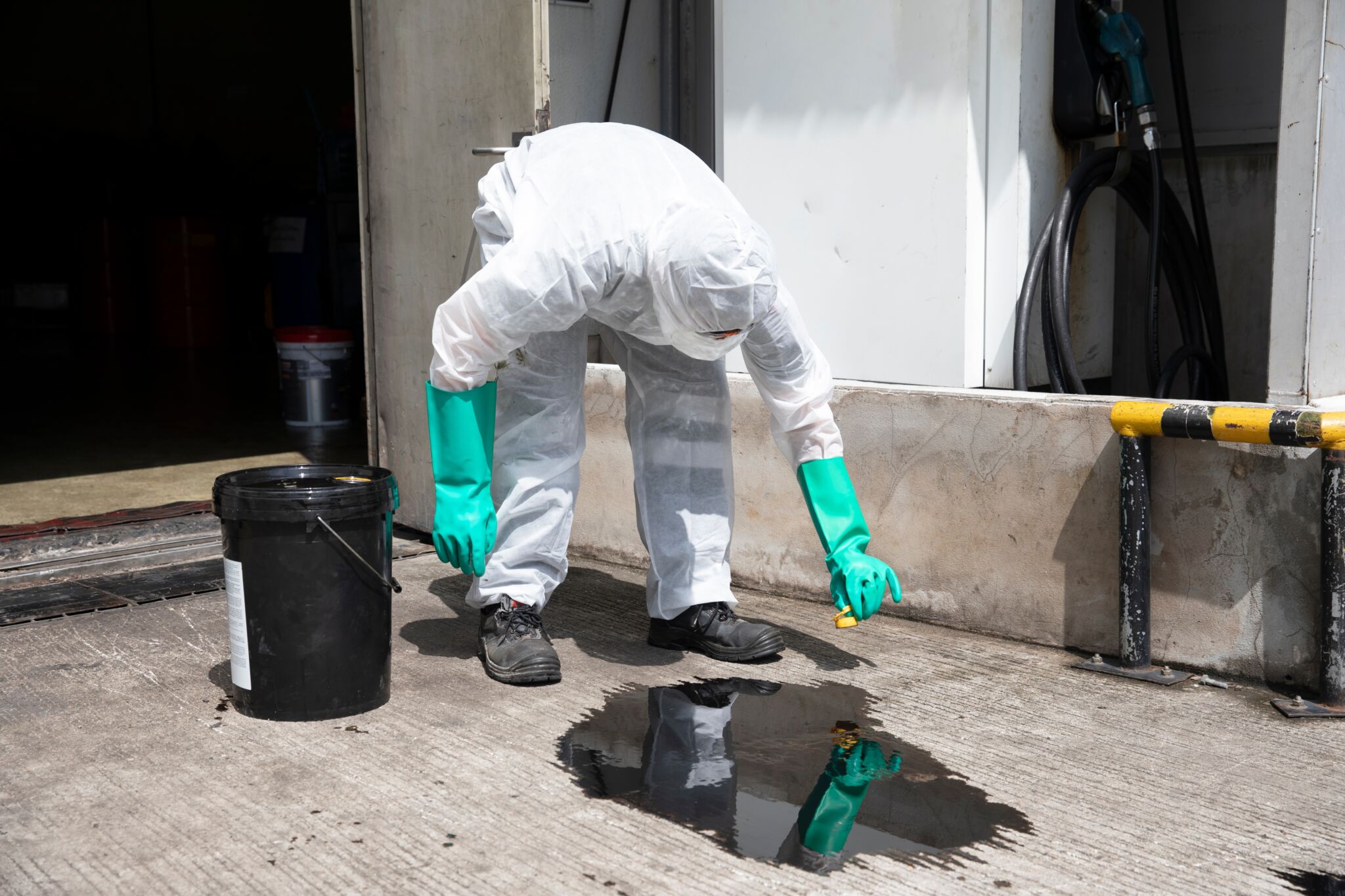
Oil and fuel spills
Oil and fuel are among the most common spill substances across transport, construction, marine and industrial settings. Even a small patch on a floor can cause a harmful slip, while larger spills can lead to fire or explosions.
When oil enters a watercourse, it spreads fast across the surface, suffocating aquatic life. Birds, fish and mammals can suffer long-lasting damage, and contaminated water may affect communities downstream. Cleanup is often slow and difficult, requiring specialist absorbents and recovery equipment.
Chemical spills
Chemical spills tend to pose more immediate health risks. Acids, alkalis, solvents and cleaning agents can cause burns, breathing problems or toxic exposure. Some release harmful vapours that drift through the air, endangering anyone nearby. Reactions between chemicals may create extra hazards such as heat, fire or gas.
These incidents can also lead to serious environmental damage, contaminating land and water in ways that are expensive and complex to put right.
Biohazard spills
In hospitals, laboratories and food production, spills involving biological materials put people at risk of infection.
Blood, bodily fluids and microbiological samples may contain pathogens that spread disease. The danger is not always visible – poor handling can create unseen routes of contamination. In food processing, bio spills threaten food safety and can lead to product recalls or even illness outbreaks.
Non-hazardous spills
Even when the substance itself isn’t dangerous – like water, milk or soft drinks – a spill is a hazard. Wet floors are one of the biggest causes of slips and falls at work, which are among the top reportable injuries under UK health and safety law.
Mixed or unknown spills
In places such as warehouses, laboratories and transport hubs, spills sometimes involve more than one substance or materials that can’t be identified straight away. In these cases, caution is key. Always treat the spill as hazardous until it’s confirmed safe.
Relevant UK regulations and legal duties
Spill management in the UK is backed by a strong set of laws covering workplace safety, environmental protection and waste control. Besides compliance, organisations are expected to show active responsibility in how they manage risks.
The Health and Safety at Work etc. Act 1974 sets the core duty for employers – to protect the health, safety and welfare of employees and anyone affected by their work. A spill is a clear hazard, and failing to control it is a breach of that duty.
The Control of Substances Hazardous to Health (COSHH) Regulations 2002 are central to most workplaces. They require employers to assess risks from hazardous materials, put control measures in place, train staff and prepare for emergencies. Effective spill management is part of meeting those obligations.
At high-risk sites, the Control of Major Accident Hazards (COMAH) Regulations 2015 apply stricter rules. Facilities that store large amounts of dangerous substances must have detailed on-site and off-site emergency plans to prevent and contain major incidents.
Environmental protection law is equally important. The Environmental Protection Act 1990 creates a duty of care for all waste, including waste from spills and cleanups. The Water Resources Act 1991 bans putting polluting discharges into rivers or groundwater, and the Environmental Permitting Regulations 2016 outline the conditions for permitted operations. In addition to reputational harm, failing to prevent pollution can lead to fines and prosecution.
Under the Reporting of Injuries, Diseases and Dangerous Occurrences Regulations (RIDDOR) 2013, some spill incidents must also be reported to the HSE as dangerous occurrences.
Preventing spills
The most effective way to manage spills is to stop them from happening in the first place.
Prevention starts with a clear, site-specific risk assessment. Employers are legally required to carry these out under the Management of Health and Safety at Work Regulations 1999. COSHH demands a more detailed review when hazardous substances are used.
A good spill risk assessment looks at what materials are stored or handled, how they are used and where things might go wrong. Storage, transfer, handling and disposal all carry their own risks. The assessment should also weigh up potential consequences – a litre of acid spilt in a lab is very different from a tanker of oil overturned on a motorway.
Risk assessments should be reviewed regularly, especially when new materials are introduced or processes change. It should also be revisited after near misses, as these reveal new insights.
The outcome of a risk assessment should be a practical prevention plan showing how risks will be reduced. That plan might include:
- Physical measures – bunded storage tanks, drip trays or double-walled containers to catch leaks
- Procedural controls – safe handling protocols, training and supervision
The principle is simple: prevention is always better than a cleanup. By minimising the chance of a spill, organisations protect people, safeguard the environment and avoid the cost and disruption of a cleanup.
Storing and labelling hazardous substances safely
Safe storage and clear labelling are legal requirements, not just best practice. Containers must suit the substances they hold. They should be durable and compatible with the chemical’s properties. Flammable liquids, for instance, should be kept in fire-resistant cabinets, while acids and alkalis need to be stored separately to avoid dangerous reactions.
Secondary containment – such as bunds, trays and cabinets – plays a key role in prevention. These systems catch leaks before they become spills, reducing the chance of uncontrolled releases.
All containers must be labelled in line with the Classification, Labelling and Packaging (CLP) Regulation, which follows the Globally Harmonised System (GHS). Hazard pictograms, signal words and precautionary statements help anyone handling a substance understand the risks at a glance.
Clear labelling can make all the difference in an emergency. When workers know exactly what they are dealing with, they can act fast and use the right cleanup method. Confusion can delay the response and make the situation worse.
Responding to spills when they occur
Spill response plans
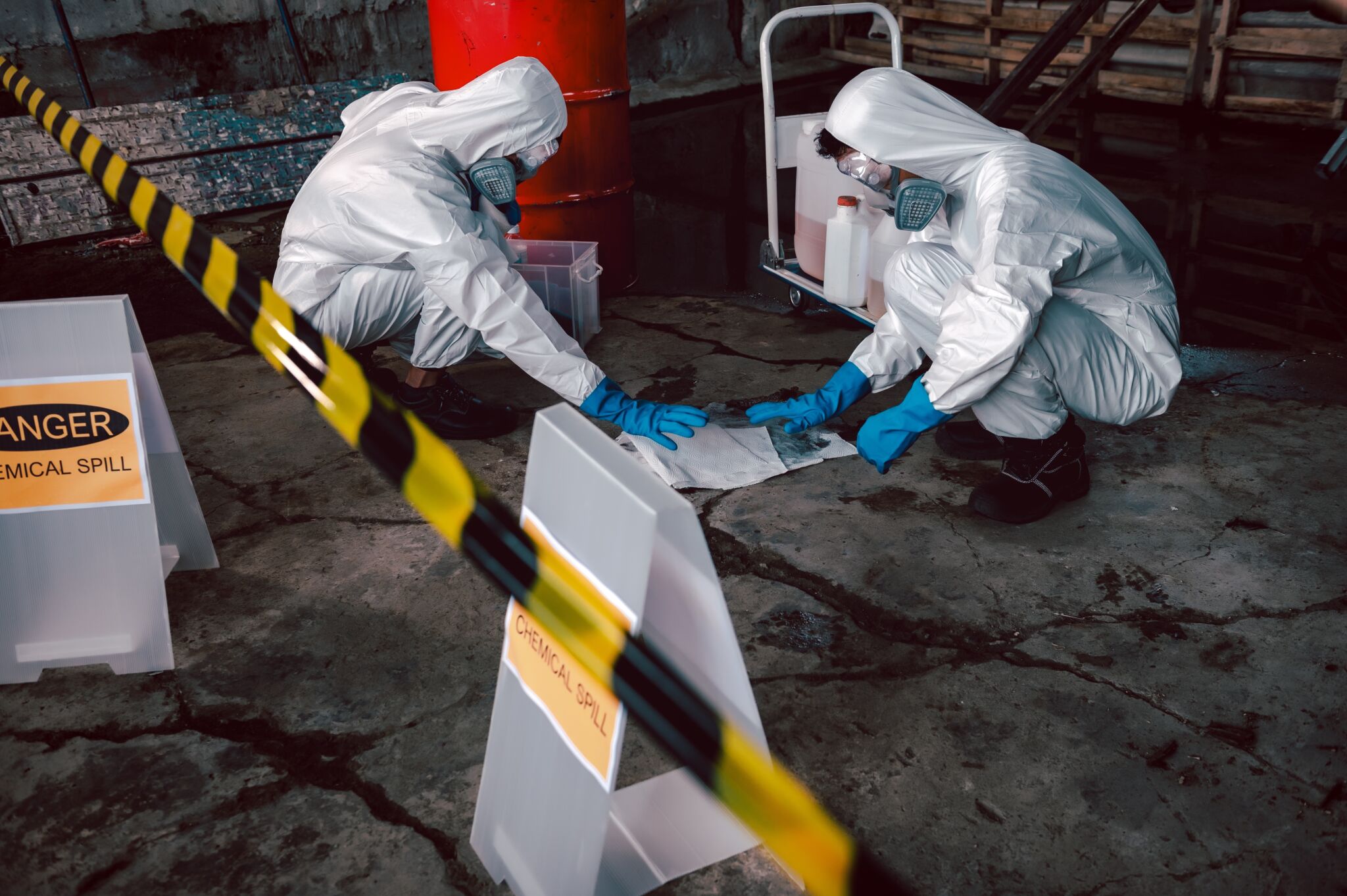
Even with strong prevention measures, accidents can still happen. A well-prepared spill response plan ensures staff know exactly what to do if a spill occurs and helps prevent business disruption.
Every plan should be tailored to the site’s specific risks – the types of substances stored, the layout of the premises and the resources available. It should set out clear steps for containing and controlling a spill, how to raise the alarm and when to contact emergency services. The plan must also identify where spill kits, protective equipment and emergency exits are located.
Accessibility is key. A plan stored in a binder or hidden on a shared drive is no use in an emergency. Response procedures should be displayed where spills are most likely to occur. Regular briefings and drills help prepare staff to act quickly under pressure.
Reviewing the plan is just as important as creating it. As substances, processes or layouts change, the plan should be updated to reflect new risks. Lessons from previous incidents or practice drills can highlight weak spots and help keep the plan relevant and effective.
Roles and responsibilities in spill incidents
Clear roles save time when it matters most. In a spill, confusion over who should act can make the incident worse. Everyone on-site needs to learn about their responsibilities before an incident happens – not during it.
Most employees should focus on raising the alarm, protecting themselves and others, and following the site’s procedures. They should never attempt a cleanup beyond their training or equipment. Supervisors coordinate the immediate response, ensure spill kits and personal protective equipment (PPE) are available, and decide whether the incident needs to be escalated.
Larger organisations may also have dedicated spill response teams trained to handle hazardous materials safely. These teams should know how to use specialist equipment, communicate with emergency services and contain releases quickly and effectively.
The employer holds overall responsibility. Safe systems of work cannot be delegated. Visitors, contractors and temporary staff must also be briefed on what to do in an emergency and supervised where necessary.
When everyone knows their role and acts with confidence, the response is faster, safer and more controlled.
Essential spill kit components
Spill kits are the first line of defence when an incident occurs. Combined with trained and confident staff, they are one of the most practical safeguards against wider harm.
Their contents must match the types of materials on-site. General-purpose kits work well for water-based liquids, while oils, fuels, chemicals and biohazards each need their own specialised kits.
Absorbent pads, socks and booms help contain and soak up liquids before they spread. Chemical-resistant absorbents are used for corrosive substances, and hydrophobic absorbents are designed for oil on water. Drain covers and plugs stop contamination from entering drainage systems, and disposal bags are used to remove used materials safely.
Every kit should include clear, simple instructions tailored to the site so staff can act quickly and safely under pressure.
Regular checks are essential. Used or expired items must be replaced immediately, and kits should always be kept close to high-risk areas to enable fast, unobstructed access.
Initial response: Contain, control and communicate
The first few minutes after a spill are critical. The priorities are simple: contain the spill, control the source and communicate what has happened.
Containment might mean surrounding the liquid with absorbent pads or using drain covers to stop it from spreading. Control involves stopping the release if it is safe to do so – for example, closing a valve or turning a container upright. Communication means alerting supervisors, trained responders or emergency services as required.
Safety always comes first. No one should try to handle a spill without the right training or protective equipment. If the substance is unknown or the risk is high, staff should evacuate the situation and wait for trained responders.
Cleaning procedures by spill type
Different spills need different responses. The right cleanup method depends on what has been spilt, where it’s happened and how severe it is.
- Oil and fuel spills – use hydrophobic absorbents that soak up oil but repel water. If oil has entered a drain or watercourse, deploy booms or drain covers immediately and alert the Environment Agency.
- Chemical spills – some chemicals can be neutralised safely, while others should only be absorbed and contained. Handle chemical spills with extreme care. Always follow the manufacturer’s safety data sheet (SDS) and use the correct PPE.
- Biohazard spills – apply strict infection control. Use disinfectant, disposable absorbents and sealed waste bags. Treat all materials as potentially infectious and dispose of them through clinical waste channels.
Regardless of the substance, the basic principles stay the same: contain it first, clean it safely and dispose of all contaminated materials in line with regulations.
Personal protective equipment in spill management
PPE is the final line of defence during a spill. The best protection depends on the substance involved and the level of risk. Common items include gloves, goggles, face shields, respirators, chemical-resistant suits and safety boots.
Under the Personal Protective Equipment at Work Regulations 1992, employers must provide suitable PPE, maintain it properly and ensure staff know how to use it. Without proper PPE, even a minor spill can cause serious injury. Equipment should always be close to where spills are most likely, fit correctly and be checked regularly for wear or damage.
Disposing of contaminated materials
Once a spill has been contained and cleaned, the next step is safe disposal.
Waste from spill cleanups – such as absorbents, PPE and used containers – is often classed as hazardous. Under the Hazardous Waste Regulations 2005, this waste must be stored separately, labelled clearly and collected by a licensed carrier. Organisations also have a duty of care under the Environmental Protection Act 1990 to keep full records of waste transfers.
Good practice includes:
- Sealing all contaminated materials in heavy-duty bags or drums
- Storing them in a secure, covered area until collection
- Using authorised waste contractors and retaining documentation for audit
Training and preparedness
Training is essential for effective spill management. Everyone who works with or near hazardous substances needs to understand how to prevent spills, how to respond safely and when to seek help. Training should cover specific on-site risks and be supported by practical demonstrations, refresher sessions and clear written guidance.
Poor training leaves staff uncertain and reactive, which can turn a small spill into a major incident. When employees are confident in their knowledge and know where to find equipment, they act faster and more effectively. Regular, hands-on instruction helps build that confidence and creates a shared sense of accountability for safety across the team.
Drills and simulations bring training to life. A plan that looks solid on paper can fail in practice if people panic or equipment is out of reach. Regular drills build familiarity and test how well procedures work under pressure.
After every exercise or real incident, organisations should review what happened and consider lessons learned. Updates to procedures, training or equipment should follow quickly so improvements are properly embedded by the time another incident occurs.
Reporting and investigating spill incidents
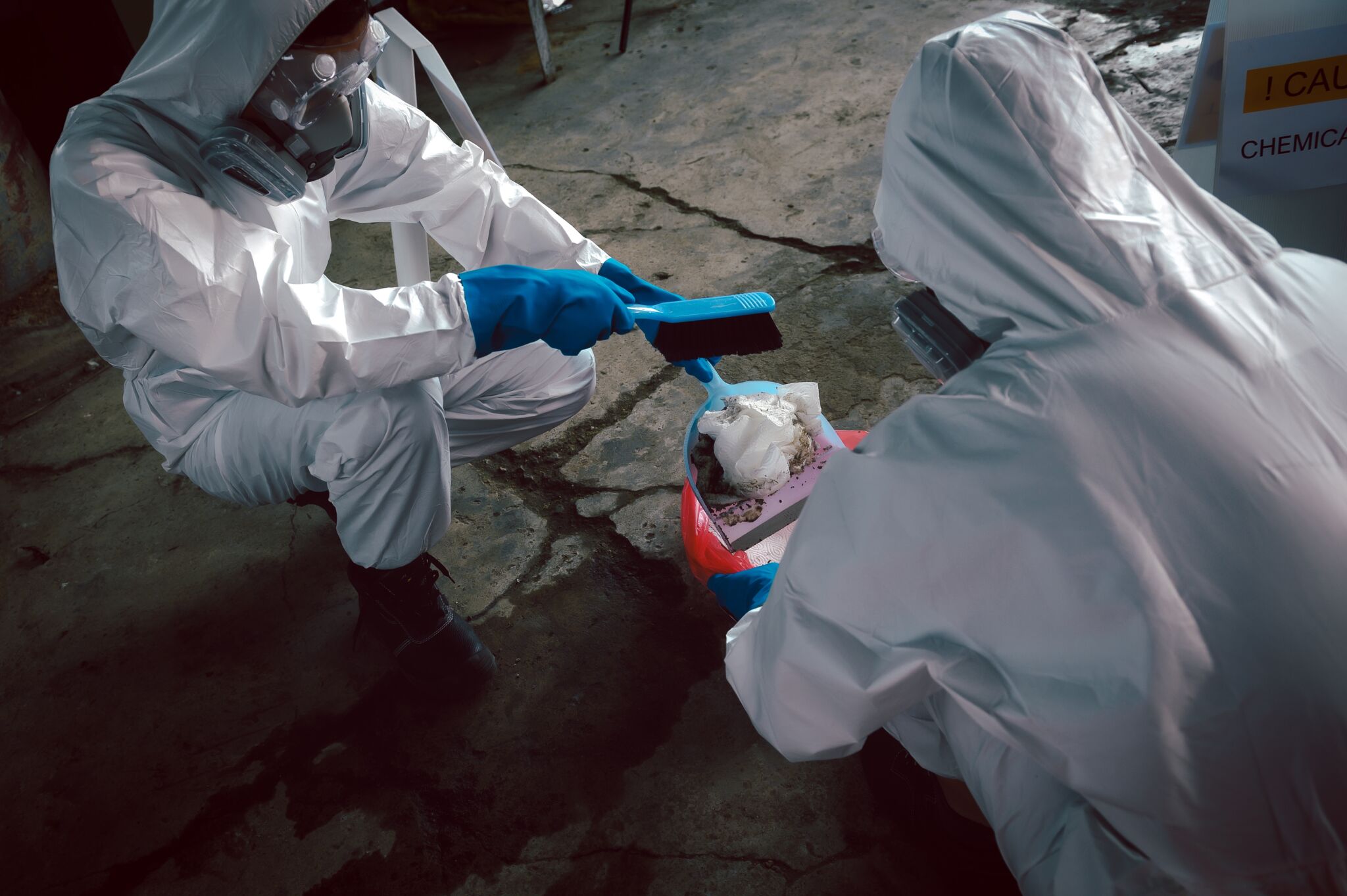
Reporting and investigation play a key role in preventing repeat incidents. Under RIDDOR, certain spills must be reported to the Health and Safety Executive. Environmental releases may also need to be reported to the Environment Agency.
Investigations should look beyond the immediate cause to identify underlying issues such as gaps in training, unclear procedures or faulty equipment. The goal is to understand what happened and take action to prevent it from happening again.
Accurate records of incidents and corrective measures support compliance and show regulators that risks are being managed responsibly.
Summing up
Effective spill management relies on a strong safety culture and a clear sense of responsibility. When people are trained and equipped to respond, incidents are contained quickly and disruption is minimal. Regular review keeps procedures relevant and shows an ongoing commitment to protecting both people and the environment.