
In this article
Whether you run a busy factory floor, manage a construction site or oversee office equipment, making sure work equipment is safe and fit for purpose is non-negotiable. The Provision and Use of Work Equipment Regulations 1998 – better known as PUWER – set out the legal duties employers have to protect workers and others from equipment-related risks.
This guide explains what PUWER covers, why it matters and how to comply in practical, straightforward terms.
What is PUWER?
The Provision and Use of Work Equipment Regulations 1998 are among the most important pieces of legislation governing workplace safety in the UK.
PUWER requires that all work equipment is:
- Suitable for its intended purpose
- Safe to use
- Maintained in good working order
- Operated only by competent individuals
Employers are legally required to comply with PUWER. Compliance is critical, as it’s a practical framework for establishing a safety-focused workplace culture where injuries are prevented and operations are reliable.
PUWER applies wherever work equipment is used – from construction sites and manufacturing facilities to schools and offices. The term “equipment” is broad, covering everything from handheld tools and ladders to industrial machinery and computer systems.
Not meeting PUWER standards can have serious consequences, both for individual employees and the wider organisation.
- Accidents can happen when equipment is poorly maintained or not used properly, potentially causing life-changing injuries or even fatalities.
- Incidents may prompt investigations and potential enforcement action by the Health and Safety Executive (HSE).
- When staff know that harm could have been avoided, it can deepen feelings of frustration, anger or mistrust – contributing to low morale, high turnover and reputational damage that affects recruitment and the confidence clients and stakeholders have in the company.

Scope and applicability
PUWER applies to all workplaces in Great Britain and covers all equipment used at work, regardless of the sector the organisation is in or its size – public sector, private, non-profit or partnership. The type of employment does not matter either.
The regulations apply to employers, self-employed workers and anyone who controls work equipment – machines, appliances, tools and installations. Equipment used off-site or in mobile operations is also included if it’s used in a work context. Even hired or loaned equipment must comply with PUWER while it’s being used.
Maintenance staff, bystanders, other workers and, in some cases, members of the public are also covered. Employers must assess how equipment affects everyone in the workplace’s vicinity and ensure control measures are in place.
Some types of equipment are subject to more specific regulations – not just PUWER. For example, lifting equipment is also governed by LOLER (Lifting Operations and Lifting Equipment Regulations), and pressure systems are subject to their own safety laws. However, PUWER still applies in these cases for general suitability, maintenance and safe use.
Key definitions
To make sense of PUWER and apply it correctly, get to grips with its key definitions:
- Work equipment – Any machinery, appliance, apparatus, tool or installation used at work. This includes powered and non-powered tools and extends to fixtures like ladders, hoists or even office equipment if used during work activities.
- Use – Includes any activity involving equipment, such as starting, stopping, repairing, modifying, transporting or maintaining it. Even cleaning or dismantling work equipment falls within PUWER’s remit.
- Employer – Any person or organisation that employs people under a contract of employment or controls work equipment used by those people.
- Competent person – A person with the necessary training, knowledge and experience to safely and effectively perform tasks related to equipment use, inspection or maintenance. Competence depends on the complexity and risks associated with the equipment.
- Danger zone – Any area around equipment where a person could be injured by moving parts, emissions, collapse or other risks. PUWER expects organisations to restrict non-essential access to these zones.
Employer responsibilities under PUWER
PUWER outlines several core responsibilities for employers. They must ensure that:
- Work equipment is suitable for its intended use.
- Equipment is safe to use and maintained in a safe condition.
- Risks associated with equipment are adequately controlled.
- Equipment is used only by competent people.
- Appropriate safety measures, such as guards, controls and markings, are in place.
- Operators receive the information and training they need.
- Equipment is inspected regularly and thoroughly when required.
These responsibilities extend to all types of equipment and must be fulfilled throughout its lifecycle – from the moment it’s bought and installed to when it’s taken out of service.
Employers must think ahead, embedding PUWER compliance into procurement, training, risk assessment and maintenance systems. The aim is simple – to keep people safe while keeping the business running smoothly.
Equipment selection and suitability
Selecting the right equipment is key to compliance. Employers must assess whether the equipment is appropriate for the task, environment and user. This involves considering factors such as:
- The physical conditions in which the equipment will be used – indoors, outdoors, wet, dry, dusty
- The nature of the task – duration, frequency, physical demands
- The competence and experience of the intended users
- The risks associated with the equipment – mechanical, electrical, ergonomic
New equipment should meet relevant safety standards and, where required, carry UKCA or CE markings. It’s also worth thinking ahead – how easy is it to maintain? Are spare parts readily available? Can it be adapted for future needs?
Involving employees in the selection process can help identify potential issues early and ensure the equipment is practical and user-friendly.
Maintenance, inspection and testing
Regular maintenance and inspection are essential to keep equipment safe, reliable and compliant with PUWER.
Maintenance:
- All work equipment should be properly maintained so that it’s in good repair and in working order. This applies to both preventative and corrective maintenance.
- Employers should have a clear maintenance plan in place based on the manufacturer’s recommendations, frequency of use, operating conditions and past performance.
Inspection:
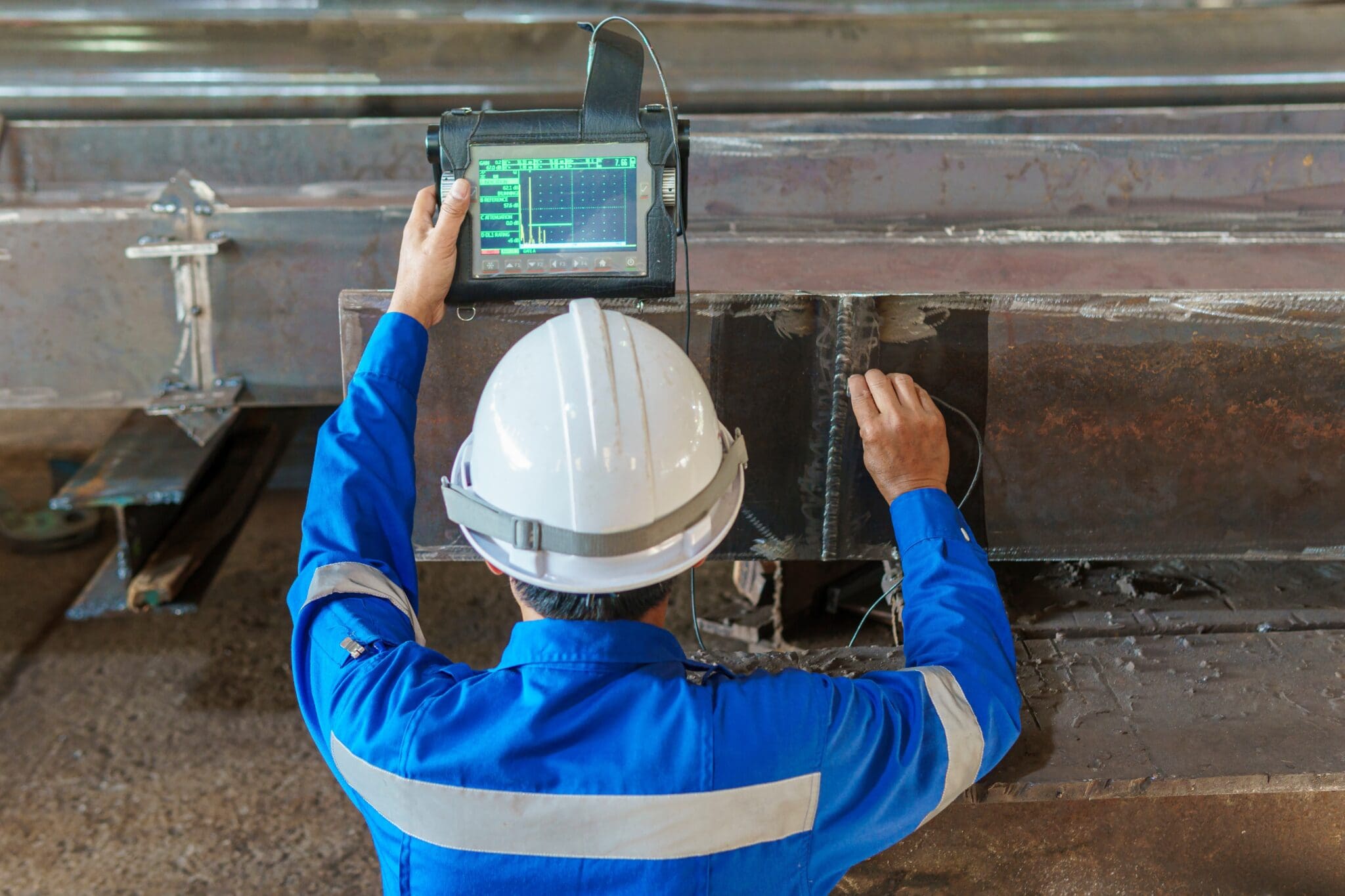
- Equipment should also be inspected at suitable intervals – thoroughly enough to identify when the equipment is deteriorating, which could cause incidents.
- Pre-use checks by operators, weekly inspections by supervisors and annual examinations by competent engineers are all part of a robust inspection regime.
Testing:
- Testing can help ensure equipment is safe – especially important for equipment with high-risk features or that has been significantly altered or repaired.
Keep a record of all tests and inspections. Record the date, findings, actions taken and the person responsible. Neglecting maintenance not only breaches PUWER but increases the likelihood of accidents, breakdowns and costly downtime.
Risk assessment
Risk assessment is a legal requirement under PUWER and the Management of Health and Safety at Work Regulations. Employers must carry out a “suitable and sufficient” assessment of the risks involved in using work equipment.
This process involves:
- Identifying hazards – moving parts, electrical components, sharp edges, emissions
- Determining who might be harmed and how – users, maintenance staff, nearby workers
- Evaluating the likelihood and severity of harm
- Implementing control measures to eliminate or reduce risks
- Recording findings and reviewing assessments regularly or when significant changes occur
A good risk assessment should shape everything from training content to maintenance plans. Keeping it up to date – and using it to guide day-to-day work – is one of the best ways to stay on the right side of PUWER and protect staff.
Training and instruction for users
Even the safest, most up-to-date equipment can become dangerous if it’s not used properly.
PUWER explicitly requires that anyone who uses, supervises or maintains work equipment must receive adequate training and instruction. This ensures that workers understand how to operate the equipment safely, recognise hazards and respond appropriately to emergencies.
Training should begin with a clear explanation of the equipment’s purpose, basic functionality and potential hazards. Hands-on practice is essential, especially for complex or high-risk machinery.
Training should also cover:
- Pre-use checks
- Start-up and shut-down procedures
- Emergency stops
- The correct use of personal protective equipment (PPE) (if needed)
Instruction should be clear, consistent and tailored to the specific needs of the workforce. Visual aids or translated materials can be very useful for multilingual or diverse teams.
Supervisors should check how well training has worked by observing how equipment is used, asking questions and encouraging feedback. Don’t just assume staff are competent after a single session – ongoing refresher training and supervision are essential, particularly when equipment is modified or relocated. It’s especially important if the piece of equipment is involved in an incident.
Well-trained staff are not only safer but also more confident and efficient in their roles, helping reduce misuse, wear and costly damage.
Safe systems of work
PUWER mandates that, whenever equipment is used, employers establish and maintain safe systems of work – planned, organised procedures that ensure tasks involving equipment are performed consistently and safely. A safe system of work should cover every aspect of the task, from planning and risk control to monitoring and emergency response.
Here’s an example of a safe system for using a bench-mounted grinder:
- Guards should be correctly fitted
- PPE (such as eye protection) should be worn
- A pre-use check should be completed
- The correct speed should be selected
- Access to the danger zone should be restricted
Procedures should be documented, displayed where relevant and included in training programmes.
Special care should be taken for non-routine operations such as maintenance, cleaning and adjustments. These tasks often carry extra risks, so they are best controlled through lock-out/tag-out procedures or isolation protocols.
Review safe systems regularly, especially following accidents or equipment changes. The aim is to create a predictable, controlled environment where hazards are anticipated and mitigated.
Marking and warning notices
Information and warnings are a key part of equipment safety. PUWER requires that any work equipment displaying residual risks or requiring specific user actions be clearly marked and accompanied by appropriate warnings. This helps everyone – not just the person operating it – understand what to look out for and how to stay safe.
Markings should include load limits, direction of movement, electrical ratings and any special operating instructions. Warning signs must use standardised symbols – such as those specified in the Health and Safety (Safety Signs and Signals) Regulations 1996. They need to be easy to see and tough enough to last in the environment they’re used in.
For example:
- A rotating blade should be marked with a warning triangle and a “Danger – Sharp Blades” label.
- Electrical enclosures should show the voltage.
- Lockable panels should be marked “Authorised Personnel Only”.
- Emergency stop buttons need to be bright red and easy to reach in an emergency.
Record-keeping and documentation
Effective record-keeping ensures the continuity of safety standards across shifts and personnel changes. It’s also worth noting that, if an incident occurs, records will be referred to in any investigation.
Here’s what employers should document:
- Equipment inventories, including model numbers, locations and responsible persons
- Maintenance and inspection records showing dates, findings, actions taken and the responsible individuals
- Training records for all users, including dates, content covered, assessment outcomes and planned refreshers
- Risk assessments and safe systems of work documentation
- Records of faults, near misses and corrective actions taken
Digital tools, such as maintenance management software, can streamline this process, especially in larger organisations. However, physical records are still acceptable as long as they are well-organised and accessible during audits or inspections.
Failing to document actions – even if the actions themselves were completed – can undermine an organisation’s defence if it faces any enforcement action or litigation. Good records demonstrate diligence, foresight and commitment to safety.

Enforcement, inspections and penalties
The HSE is responsible for enforcing PUWER in most workplaces. Inspectors have the legal right to enter premises and assess compliance. They’re not required to give notice.
An inspection might involve:
- Examining equipment and observing work activities
- Reviewing documentation, such as risk assessments, maintenance logs and training records
- Interviewing staff to assess how competent and aware they are when it comes to equipment safety
- Issuing improvement or prohibition notices if there are serious deficiencies
Improvement notices require employers to fix a breach within a set timeframe.
Prohibition notices immediately stop the use of unsafe equipment until the issue is resolved.
In serious cases, failure to comply can lead to prosecution, fines and even imprisonment under the Health and Safety at Work etc. Act 1974.
That said, inspections are a valuable opportunity to receive guidance from HSE officers. Employers who can demonstrate a commitment to compliance, even if there are minor shortfalls, are often treated more favourably than those who ignore their responsibilities.
Integrating PUWER with other health & safety regulations
Effective health and safety management means understanding how PUWER fits alongside other key regulations and making sure they work together in practice.
The broader legal framework also includes:
- LOLER – Covers lifting equipment, which must also meet PUWER standards.
- COSHH (Control of Substances Hazardous to Health) – Relevant where equipment exposes users to harmful substances such as fumes, dust, or chemicals.
- Electricity at work regulations – Addresses electrical safety, which overlaps with the operation and maintenance of powered equipment.
- Manual handling regulations – Applies where equipment involves pushing, pulling, or handling heavy loads.
When employers align procedures across these regulations, they can avoid duplication, close safety gaps and streamline compliance. For example, combining PUWER maintenance schedules with LOLER inspections for lifting equipment can reduce downtime and ensure that all safety checks are covered.
Practical tips for achieving compliance
These practical steps can help a company comply with PUWER:
- Start with a full equipment audit to understand what you have, where it is and how it is used.
- Conduct or review risk assessments for each piece of equipment.
- Create or update safe systems of work and ensure they are communicated and accessible.
- Develop a preventive maintenance plan based on manufacturer guidance and use patterns.
- Train all staff thoroughly and document training outcomes.
- Use signage and labelling to reinforce safe practices.
- Introduce a reporting system for equipment faults or near misses.
- Regularly review procedures, especially following incidents or changes in equipment use.
- Encourage a culture of safety ownership, where workers feel responsible for identifying risks and contributing to improvements.
Conclusion and further resources
PUWER isn’t just another set of rules that companies should comply with. It’s a practical and essential tool for keeping workplaces safe and efficient.
When employers understand its scope and embed its principles into daily operations, they can protect their workforce, reduce downtime and make their organisation more resilient.
These resources support PUWER compliance:
- The HSE’s PUWER overview
- Institution of Occupational Safety and Health (IOSH) resources
- Industry-specific codes and manufacturer manuals
- Workplace safety training providers offering PUWER-focused courses