In this article
Unlike office-based roles, trades involve moving heavy objects, working at heights, handling power tools and interacting with mechanical plants. These activities expose workers to a range of hazards – mechanical, chemical, ergonomic and environmental – so they need to be constantly vigilant.
Understanding the common risks in trades is the first step towards creating a safer workplace and ensuring that productivity doesn’t come at the expense of health and well-being.
Health and safety law: Employer and worker duties
In the UK, workplace safety is underpinned by the Health and Safety at Work etc. Act 1974 (HASAWA). The Act places a general duty on employers to protect the health, safety and welfare of their staff and anyone affected by their work. This includes carrying out risk assessments, maintaining equipment so that it’s safe, providing a healthy working environment and ensuring suitable training and supervision.
Employees also have responsibilities under Section 7 of HASAWA. They must take reasonable care for their own safety and that of others, follow workplace safety procedures and use personal protective equipment (PPE) correctly.
Supporting regulations – such as the Management of Health and Safety at Work Regulations 1999 – require businesses to appoint competent people to oversee health and safety, prepare written safety policies (for organisations with 5+ employees) and review risk assessments regularly or when working practices change.

Slips, trips and falls: Persistent site hazards
Slips, trips and falls remain some of the leading causes of non-fatal workplace injuries across all sectors.
Common hazards include wet or oily floors, uneven surfaces, loose cables and cluttered walkways. On construction sites, mud and debris create unpredictable underfoot conditions, while plumbers, electricians and roofers often need to use ladders or work in dimly lit or confined areas, increasing risk.
Preventative measures include:
- Keeping walkways clear and dry through regular housekeeping
- Installing non-slip floor coverings or gritting in wet areas
- Securing cables and hoses with cable covers or overhead hooks
- Marking level changes, steps and ramps with high-visibility tape
Employers should also provide slip-resistant footwear and ensure adequate lighting, particularly where work continues into the evening or takes place in basements and enclosed spaces.
Manual handling and musculoskeletal injuries
Manual handling – lifting, carrying, pushing or pulling loads – is one of the main causes of work-related musculoskeletal disorders (MSDs) in the trades. Bricklayers, plumbers and electricians often move heavy toolboxes, pipes or blocks in awkward positions, putting strain on their backs, shoulders and joints. This can lead to chronic pain and long-term injury.
The following things can reduce risk:
- Risk assessment – identify tasks that involve heavy or awkward handling, assess the weight and frequency, and examine the posture involved (or the one people use).
- Mechanical aids – use trolleys, hoists, sack trucks or lifting straps to reduce physical effort.
- Team lifting – where equipment is not practical, ensure two or more people share heavy loads.
- Training – teach employees how to lift safely and avoid injury (e.g., keeping the load close, bending the knees and avoiding twisting). Emphasise the importance of maintaining a neutral spine.
- Regular breaks – encourage workers to take short rest periods to reduce fatigue and prevent overuse injuries.
- Job rotation – plan work schedules so employees switch between tasks, reducing repetitive strain and giving muscles time to recover throughout the day.
- Warm-up exercises – promote light stretching or mobility routines before work to prepare muscles and joints for physical activity.
Working at height: Ladders, scaffolding and roof work
Falls from height are a serious risk that can result in life-changing injuries – or even fatalities. Whether they are installing guttering, painting the exterior of a house or accessing plant rooms, tradespeople frequently work at height.
UK law – specifically the Work at Height Regulations 2005 – requires that such work be planned, supervised and carried out by competent people using appropriate equipment.
Key controls include:
- Hierarchy of controls – remove the need to work at height wherever possible (for example, by using pre-assembled panels at ground level). If that isn’t possible, use guardrails or other collective protection before relying on personal fall arrest systems (e.g., harnesses and lifelines).
- Scaffolding – must be erected and inspected by qualified contractors and include guardrails, toe boards and safe access ladders.
- Mobile access towers – these are suitable for short-duration tasks when built on stable ground and used within load and height limits.
- Ladders – this equipment should only be used for low-risk, short tasks. Secure them at the top, set them at the correct angle (1:4 ratio) and keep three points of contact – two hands and one foot, or two feet and one hand – at all times.
Regular inspections, safe stairways and edge protection further reduce the likelihood of falls.
Noise exposure and hearing protection
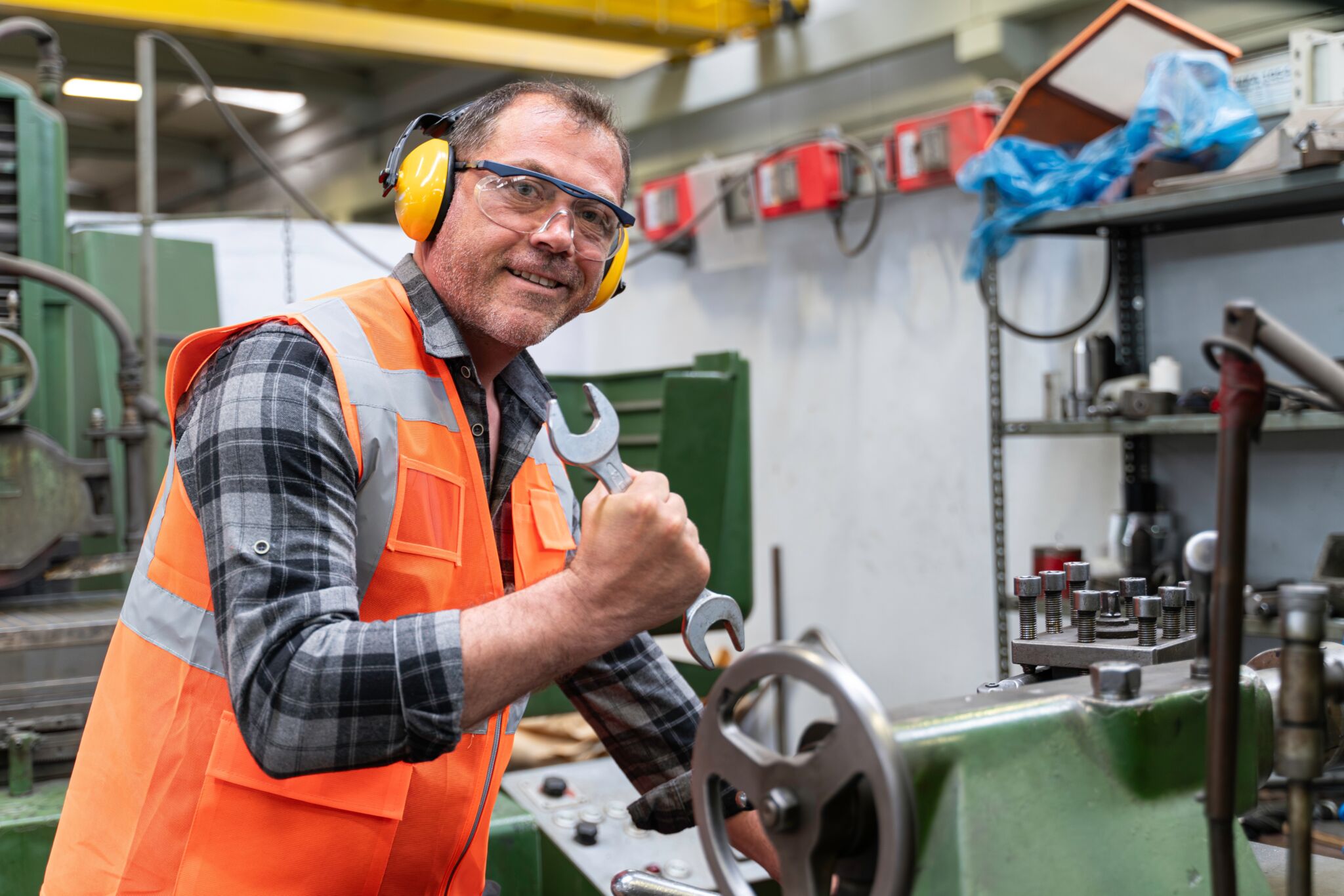
Trades such as carpentry, metalwork and demolition generate high noise levels that can cause permanent hearing loss over time. Power tools, saws, grinders and pneumatic drills often exceed 85 dB(A) – the action threshold for hearing protection under the Control of Noise at Work Regulations 2005.
Employers must assess noise exposure, provide suitable hearing protection and implement a hearing conservation programme.
Key measures include:
- Choose quieter tools or machinery where possible.
- Keep equipment in good condition to prevent excess noise from wear and tear.
- Install acoustic screens or enclosures around noisy operations.
- Provide earplugs, ear defenders or custom-moulded protectors, and ensure they fit properly and are worn whenever required.
- Offer regular hearing checks to detect early signs of hearing loss.
Training employees to use and look after their hearing protection properly helps ensure it works as intended and keeps them safe from long-term hearing damage.
HAVS and tool use
Vibration-emitting tools – such as jackhammers, power drills and grinders – can cause hand–arm vibration syndrome (HAVS), leading to numbness, tingling and reduced dexterity. The Control of Vibration at Work Regulations 2005 require employers to assess exposure, minimise it where possible and monitor employees’ health.
To reduce vibration-related risks:
- Choose low-vibration tools or models with vibration-dampening handles.
- Limit tool use and rotate tasks to reduce exposure.
- Keep equipment well-maintained to prevent vibration from wear and tear.
- Provide anti-vibration gloves, but don’t rely on them as the only control measure.
- Keep a daily vibration exposure log to make sure workers stay within safe limits and to highlight when further action is needed.
Dust, fumes and respiratory risks
Tradespeople often face airborne hazards – silica dust from cutting concrete, wood dust in carpentry, soldering fumes in electrical work or solvent vapours from painting. Breathing in these particles can lead to asthma, chronic obstructive pulmonary disease (COPD), lung cancer and occupational dermatitis.
Under the Control of Substances Hazardous to Health Regulations 2002 (COSHH), employers must:
- Use low-dust or water-suppressed materials wherever possible.
- Install local exhaust ventilation (LEV) or use wet cutting to control dust at the source.
- Provide suitable masks or respirators (for example, FFP2 or FFP3 for fine dust) and make sure they are fit tested and well maintained.
- Check the air quality in the working environment regularly to confirm that dust controls are working properly.
Training on correct mask fitting, filter replacement and storage is essential to maintaining long-term respiratory protection.
Electrical hazards and lockout procedures
Electricians and multi-trade workers often work on or near live electrical systems, where they are at risk of serious injury, including electric shocks and arc flash burns. Fire is another risk to be considered.
The Electricity at Work Regulations 1989 require electrical equipment to be maintained to prevent danger and for live work to be avoided wherever possible.
The same as with other common workplace hazards, comprehensive training, covering live-work permits, approach distances and emergency response, underpins all electrical safety.
Safe systems of work include:
- Making sure the power supply is completely isolated and locked off, with tags in place to show it’s safe to work on. Workers should confirm there’s no live current before starting.
- Using insulated tools rated for the voltage and current involved. These should be stored in protective cases.
- Installing residual current devices (RCDs) or fuses on circuits to cut power rapidly in the event of a fault.
- Inspecting electrical installations regularly, completing electrical installation condition reports (EICRs) and following BS 7671 wiring regulations.
Confined spaces and limited access areas
Confined spaces – such as tanks, sewers, ducting or crawl spaces – put workers at risk of asphyxiation and toxic gases. They may also become trapped in these areas.
The Confined Spaces Regulations 1997 require a formal permit-to-work system, supported by atmospheric monitoring, emergency planning and supervisor oversight. All workers must receive training in confined-space entry, use of breathing apparatus where needed and emergency response.
Before workers can enter confined spaces, employers must:
- Carry out a risk assessment to identify hazards such as oxygen deficiency or flammable gases.
- Ventilate the area using forced-air systems to remove harmful gases and ensure there is enough safe oxygen for workers to breathe.
- Test the atmosphere by monitoring oxygen levels, flammability and toxic contaminants with calibrated detectors.
- Prepare an emergency plan with standby personnel and retrieval equipment (such as winches and harnesses).
Exposure to hazardous substances
Beyond dust and fumes, tradespeople may also handle paints, solvents, adhesives, cleaning agents or cement – all of which can pose chemical risks.
Under the Control of Substances Hazardous to Health Regulations (COSHH), employers must:
- Keep an inventory and maintain an up-to-date register of all hazardous substances on site, referencing safety data sheets (SDS).
- Substitute and minimise by using less hazardous products where possible and storing materials in well-ventilated areas.
- Apply engineering and administrative controls by installing local exhaust ventilation, restricting access to chemical storage and establishing clear spill-response procedures.
- Provide PPE, such as gloves, goggles and protective clothing, suited to each product’s hazard classification.
Regular training on interpreting SDS, handling chemicals safely and dealing with spills or splashes helps reduce both short- and long-term health risks.
Using and maintaining PPE
Not all hazards can be fully eliminated, and in these cases, PPE becomes especially important. It’s the final barrier against harm that protects workers.
PPE includes safety helmets, high-visibility clothing, steel-toe boots, eye protection, gloves, hearing protection and respirators.
Under the Personal Protective Equipment at Work Regulations 1992, employers must:
- Providing suitable PPE and ensuring the correct type and size are available for each worker and task.
- Training staff with clear instructions on fitting, use, cleaning and storage.
- Maintaining equipment through regular checks, replacing damaged or expired items and keeping inspection records.
- Monitoring use on site and following up with workers who are not using PPE correctly.
Well-fitting, comfortable PPE increases the likelihood that workers wear it consistently, giving reliable protection against task-specific hazards.
Vehicle and plant movement on-site
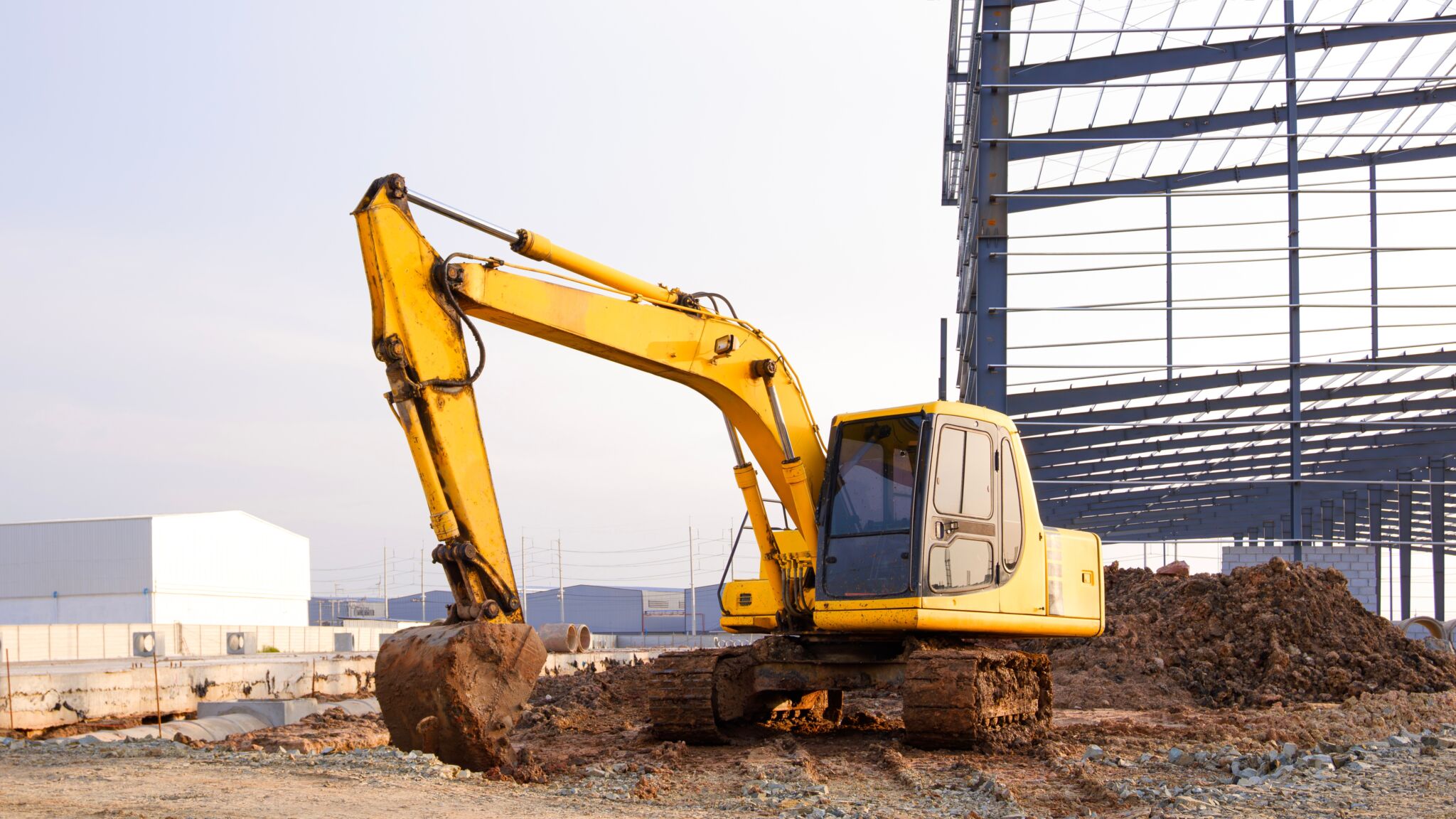
On any trade site, there will be a range of vehicles – delivery vans, telehandlers, cranes and excavators – operating alongside pedestrian workers. Collisions between vehicles and between vehicles and people (run-overs and struck-by incidents) are leading causes of serious injury.
To reduce associated risks on site:
- Implement traffic management plans with designated pedestrian walkways, separation barriers and clear signage.
- Use spotters or banksmen to guide vehicle movements, especially in blind-spot areas.
- Fit vehicles with safety features such as reversing alarms, mirrors, CCTV and proximity sensors.
- Provide driver training to ensure operators hold the correct licences, demonstrate competence and follow speed limits.
- Carry out regular site walkthroughs to review routes and barriers as work progresses, maintaining safe separation between people and moving machinery.
Fatigue, stress and mental well-being in the trades
Physically demanding work, long hours and tight deadlines can lead to fatigue and stress among tradespeople. This can increase their risk of dangerous accidents.
The HSE recognises stress as a workplace hazard and requires employers to assess and control psychosocial risks. Treating mental well-being with the same importance as physical safety helps maintain a resilient, alert workforce and reduces the risk of incidents linked to exhaustion or distraction.
Preventative strategies include:
- Scheduling work to prevent workers from undertaking consecutive long shifts. It also allows them to take enough rest breaks and supports work–life balance.
- Designing tasks ergonomically by rotating duties to prevent repetitive strain and including short micro-breaks during manual handling.
- Promoting a supportive culture where mental health is openly discussed and staff have access to employee assistance programmes (EAPs) and trained mental health first aiders.
- Training managers to recognise signs of burnout, stress and fatigue, and to guide workers towards professional support.
Fire safety and flammable materials
Many trades involve the use of flammable materials – paints, solvents, adhesives – or hot work such as welding and cutting, which can ignite combustible substances.
Under the Regulatory Reform (Fire Safety) Order 2005, those responsible for premises must conduct fire risk assessments, maintain fire detection and alarm systems, provide fire-fighting equipment and ensure clear escape routes.
On-site precautions include:
- Requiring hot work permits for welding, brazing and cutting, only after surrounding areas are cleared of flammable materials and fire watches are in place.
- Storing flammable liquids safely in metal cabinets with spill containment trays, well away from ignition sources.
- Maintaining good housekeeping by disposing of solvent-soaked rags promptly in fire-resistant bins.
- Training workers to use fire extinguishers correctly (CO₂, foam) and to follow evacuation procedures.
- Conducting regular drills and maintenance to test fire doors, alarms and extinguishers, ensuring they work properly in an emergency.
Building and maintaining a strong safety culture
A safe workplace depends not only on following procedures but on shared accountability and open communication. Accident reporting, training and leadership all work together to create an environment where safety is everyone’s responsibility.
Accident reporting and near misses
A strong reporting culture allows teams to learn from incidents and make improvements before they can happen again.
Under the Reporting of Injuries, Diseases and Dangerous Occurrences Regulations (RIDDOR) 2013, employers must report serious injuries, occupational health conditions and dangerous occurrences to the HSE. Near misses – incidents that could have caused harm but didn’t – should still be logged, as this helps identify patterns and prevent future risks.
Effective reporting systems:
- Encourage prompt reporting – workers feel confident to report issues without fear of blame.
- Investigate thoroughly – identify root causes, whether in training, equipment or procedures.
- Communicate lessons learned – share outcomes across teams and update safe systems of work.
- Involve regular reviews – use data from accidents and near misses to guide continuous improvement.
Training, supervision and competence
Safety starts with competence. Everyone on site needs the right knowledge, skills and experience to work safely and confidently. To that end, employers should provide:
- Induction training – cover site rules, emergency procedures, PPE use and key hazards before work begins.
- Task-specific training – ensure workers hold relevant qualifications, such as IPAF for mobile platforms, PASMA for access towers or CSCS cards for construction sites. This is key to keeping them and others safe.
- Supervision – assign experienced supervisors to oversee complex work and reinforce safe methods.
- Refresher training – provide updates when regulations and expectations change. Additionally, whenever new tools are introduced, employees need appropriate training.
- Competence checks – through observation, written tests or demonstrations – confirm that workers understand and can apply safety procedures.
Creating a culture of safety on the job
A positive safety culture is what turns compliance into genuine care. It ensures that every individual, from apprentices to site managers, takes responsibility for protecting themselves and others.
Key elements include:
- Visible leadership – managers and supervisors prioritise safety in planning and decision-making.
- Worker engagement – tradespeople contribute to risk assessments, toolbox talks and safety reviews.
- Recognition and reinforcement – acknowledging safe behaviours encourages ongoing vigilance.
- Continuous improvement – treat safety as an evolving process, updating methods, tools and technologies over time.
Summing up
Trade environments are fast-paced and carry genuine risks, but they don’t have to lead to harmful, dangerous situations. Safety depends on awareness, consistency and accountability.
When employers provide proper training, safe equipment and clear procedures – and workers take those standards seriously – the result is fewer injuries and healthier working lives. Health and safety is ultimately about people: protecting skills, livelihoods and the ability to keep doing the work well, day after day.