In this article
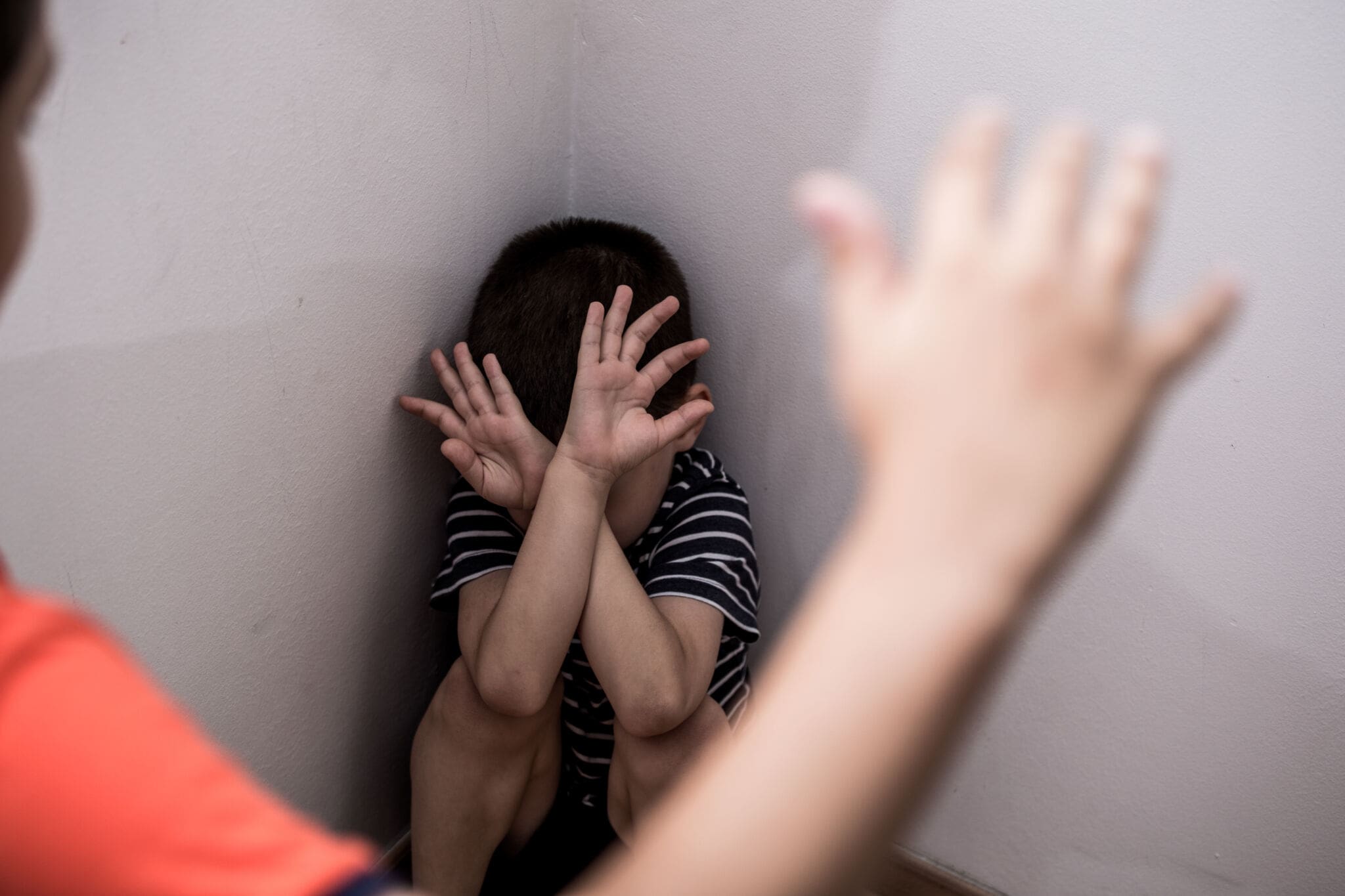
Post-traumatic stress disorder (PTSD) can develop after exposure to, or witnessing, a life-threatening or deeply distressing event such as a serious accident, assault or natural disaster. It affects how a person processes threat and safety, often disrupting their life long after the event itself.
The DSM-5 and ICD-11 set out clinical definitions. They describe four main symptom clusters – re-experiencing, avoidance, negative changes in mood or thinking, and heightened arousal. In the UK, these are reflected in NICE guideline NG116, which ensures consistency in diagnosis and treatment across NHS and private healthcare settings.
Clinicians recognise several subtypes of PTSD, each shaped by how and when trauma occurs, and how the person adapts afterwards.
How PTSD affects people differently
No two people experience trauma in the same way. That’s why the presentation of PTSD is rarely predictable.
Even after a shared event – such as a car crash or violent assault – people will likely react differently. One person may have vivid flashbacks and avoid things that remind them of the event. Another person may struggle with irritability, insomnia or emotional numbness. Personality, past experiences and even the individual’s resilience all shape how symptoms appear.
Attachment patterns can also influence response. People with anxious attachment may become hypervigilant or easily startled, while avoidant types might withdraw emotionally. Cultural background adds another layer: in some communities, distress is described more through physical sensations – chest tightness, stomach pain or fatigue – than through emotional language.
Gender also plays a role. Women often report intrusive memories and guilt, while men may express distress through anger, substance use or risk-taking behaviour.
Clinicians must understand these variations so that they can adapt assessment and treatment, ensuring care reflects each person’s lived experience rather than a single model of trauma.
Acute PTSD: Short-term trauma response
Acute PTSD develops within three months of a traumatic event – usually a single incident, such as an accident, assault or natural disaster.
Symptoms often appear suddenly and can feel overwhelming. People may experience vivid flashbacks or nightmares that seem as real as the original event. Heightened alertness, irritability and disrupted sleep are common. It’s also typical to avoid anything that serves as a reminder of the event, such as places, sounds or news coverage. However, this can interfere with daily life.
Early intervention is key. NICE recommends trauma-focused cognitive behavioural therapy (TF-CBT) or eye movement desensitisation and reprocessing (EMDR) as first-line treatments, ideally within a month of referral. These therapies help people process traumatic memories safely and reduce distress.
Many NHS services also provide brief stabilisation sessions before trauma work, focusing on grounding, relaxation and sleep support to help individuals feel ready for therapy.
Chronic PTSD: Long-term effects of prolonged trauma
Chronic PTSD often develops following long-term or repeated trauma such as domestic abuse, serious illness or exposure to conflict.
Symptoms, such as constant hyperarousal and disrupted sleep, can take a toll on both body and mind, leading to exhaustion, irritability and physical health problems. These symptoms usually last for more than one year.
People with chronic PTSD often develop deeply held negative beliefs such as “I’ll never be the same again”. Withdrawal from relationships and daily activities is common, and depression or substance misuse may emerge.
Treatment usually follows a phased approach. The first stage focuses on safety and stability – reducing crises, building coping skills and re-establishing daily routines. The next phase involves trauma-focused therapy such as TF-CBT or EMDR. Longer-term work helps the individual to rebuild their confidence, strengthen their relationships and find a sense of purpose.
Some UK services also offer employment or education support to help people regain their independence and move forward in their lives.
Complex PTSD: Multiple or repeated traumas
Complex PTSD (C-PTSD) develops after long-term or repeated trauma, often involving abuse, neglect or captivity. It is recognised in the ICD-11 and describes a broader pattern of difficulties beyond standard PTSD symptoms.
Alongside flashbacks, avoidance and hyperarousal, people with C-PTSD often struggle with intense emotions, deep shame or guilt. They may face long-standing problems in relationships, alternating between craving closeness and fearing it, or feel detached from others entirely.
Treatment usually unfolds in stages. Early work focuses on stabilisation – building emotional regulation skills and creating a sense of safety. Later, therapy moves towards processing traumatic memories and developing new ways to relate to others.
In the UK, specialist C-PTSD services within some NHS trusts bring together psychologists, occupational therapists and peer support workers to provide consistent, trauma-informed care from inpatient to community settings.
Dissociative PTSD: Depersonalisation and derealisation
Some individuals with PTSD experience dissociative symptoms such as depersonalisation (a sense of detachment from their body, thoughts or self) or derealisation (feeling that the world or their surroundings are unreal or distorted). These symptoms, when persistent and closely tied to trauma, are recognised as a dissociative subtype of PTSD.
Among people diagnosed with PTSD, roughly 38% are thought to exhibit the dissociative subtype. In the wider population, however, standalone depersonalisation or derealisation disorders – where these symptoms occur without PTSD or another condition – are rare, affecting about 1–2% of people. This shows that mild, temporary dissociation is common under stress, but chronic dissociative states are much less so.
Treatment for dissociative PTSD usually begins with stabilisation and grounding work. This aims to help people find their feet and reconnect with the present moment before they begin trauma-focused therapy. A slower, phased approach allows trauma processing to take place safely and with greater control.
Delayed-onset PTSD: Symptoms emerging over time
For some people, the effects of trauma don’t appear straight away. Delayed-onset PTSD is characterised by symptoms that surface months or even years after the event. Someone might seem to cope well at first, only for memories or distress to resurface later, often triggered by stress, loss or a major life change.
This pattern is seen in many groups, including veterans, emergency workers and survivors of early-life trauma. During periods of crisis or responsibility, people may stay focused on survival and push their emotions aside. When life becomes calmer, the mind finally has space to process what happened. Symptoms, such as flashbacks, nightmares or anxiety, can emerge.
Identifying delayed-onset PTSD involves understanding when difficulties began and what might have brought them to the surface. Therapy follows the same principles as other forms of PTSD, using approaches like TF-CBT or EMDR.
Secondary or vicarious trauma in caregivers and professionals
Supporting people through trauma can take a toll. Vicarious trauma occurs when professionals or family carers absorb the emotional impact of what other people have experienced. Over time, hearing repeated accounts of distress or violence can lead to emotional numbness or a growing sense of hopelessness. Intrusive images can also arise.
Secondary or vicarious trauma is a recognised risk for therapists, emergency responders, social workers and healthcare staff. The NHS encourages reflective supervision, peer discussion and well-being programmes to help workers manage the emotional demands of their work. For example, Schwartz Rounds are forums where workers can discuss the emotional and social aspects of working in healthcare, while the NHS People Plan promotes open conversations about stress and moral injury. These approaches help staff stay grounded and supported.
Simple protective strategies – maintaining boundaries, taking breaks and balancing work with rest and social connection – make a difference. When professionals look after their own well-being, they are better able to offer consistent, compassionate care to others.
PTSD in children and adolescents
Children and young people can develop PTSD after experiencing or witnessing frightening, distressing events such as accidents, abuse or loss.
Their symptoms often look different from those seen in adults. Younger children may replay the trauma through creative outlets, including art and play. They may develop new fears or regress in behaviour, for example, through bed-wetting or clinginess. Teenagers may show adult-like symptoms such as flashbacks and avoidance, but can also express distress through self-harm, aggression or risk-taking.
Assessment tools such as the Children’s Revised Impact of Event Scale (CRIES-13) and the Development and Well-Being Assessment (DAWBA) help identify symptoms and take the young person’s developmental stage into account. Parental input is important, as children may struggle to describe what they feel.
Treatment is adapted to the child’s age and family situation. Trauma-focused CBT includes sessions with parents or carers to strengthen safety and coping at home. Creative approaches – such as play or art therapy – help children express feelings they can’t yet put into words. Adolescent programmes often include group work to build peer support alongside individual therapy.
In the UK, child and adolescent mental health services (CAMHS) coordinate support between schools, GPs and community teams, ensuring early identification and continuity of care into adulthood.

PTSD in veterans
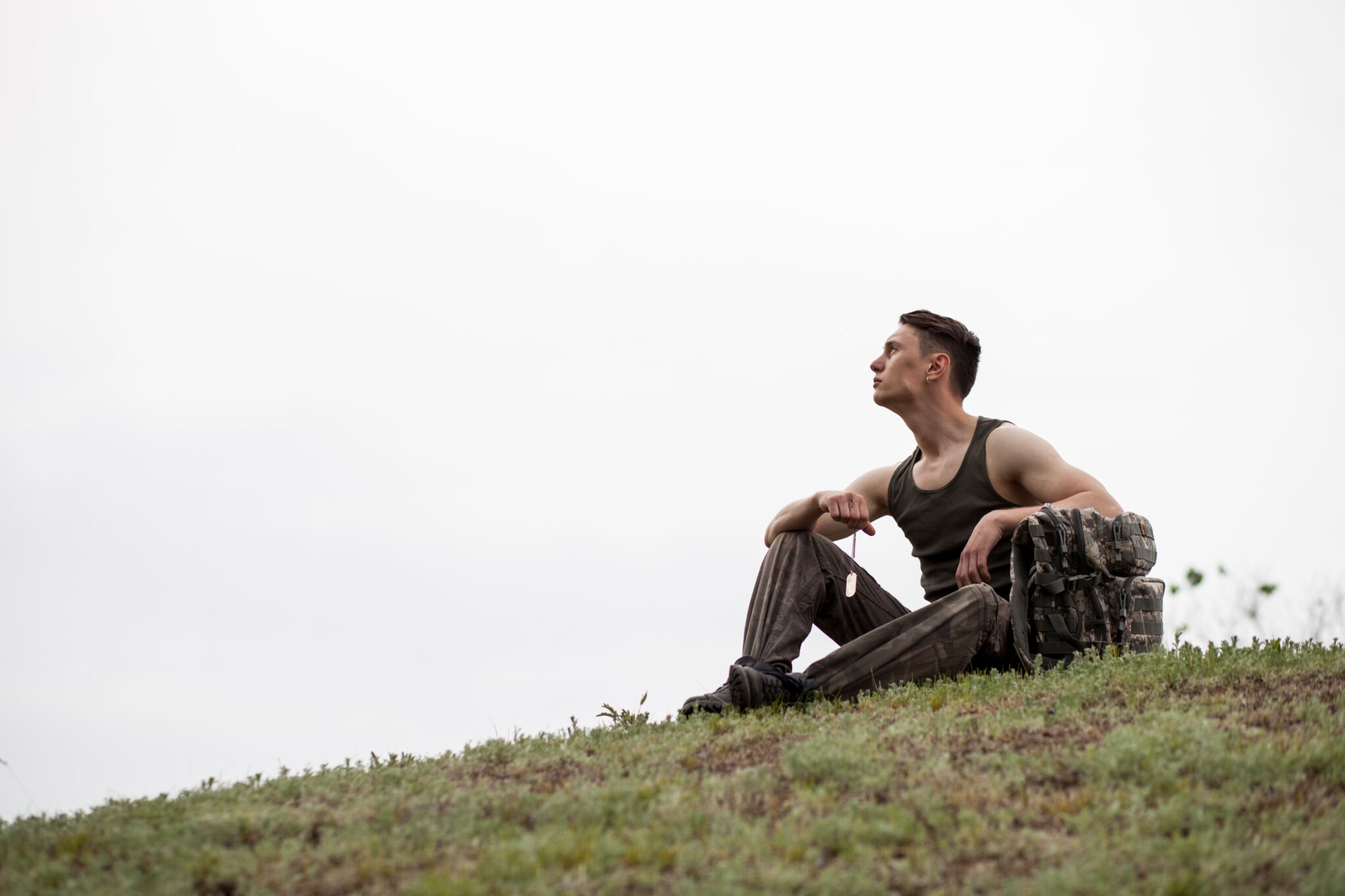
Many UK veterans live with the psychological effects of trauma long after leaving the armed forces.
Research by King’s College London found that rates of probable PTSD rose from about 6% in 2014–16 to roughly 9% in 2022–23 among serving and ex-serving personnel. Among ex-serving regulars, the figure is around 11%, while deployed personnel in combat roles may face rates closer to 18%.
Understanding why these figures are higher helps shape better support. Transitioning to civilian life can bring new stressors – loss of identity, employment changes or isolation – which may trigger latent trauma responses. Veteran-specific services recognise this: they combine trauma-informed therapy with support for work, relationships and purpose.
Focused programmes such as Combat Stress and the NHS veteran mental-health stream partner to offer community and residential care tailored to the unique experiences and struggles of those who served.
PTSD in emergency responders
Emergency responders are regularly exposed to traumatic events – from serious accidents and violence to loss of life. They often have little time to recover between incidents. Over time, this exposure can lead to PTSD, anxiety or depression.
Prevalence varies across services. A large UK survey of police officers found that around 20% showed symptoms of PTSD or complex PTSD in the previous month. Another national study placed the rate at around 4%, reflecting the need for more research. A UK Biobank study found that emergency services personnel had a PTSD rate of around 9%, compared with about 6% in the wider working population.
The NHS and partner charities have introduced dedicated programmes such as the Blue Light Wellbeing Framework and Blue Light Together initiative. These provide confidential support, trauma-informed therapy and peer mentoring for emergency staff.
Reducing stigma and encouraging early help-seeking remain essential to protecting the mental health of the UK’s frontline workforce.
Cultural and gender differences in PTSD presentation
Culture shapes how people understand and express trauma. In some communities, emotional distress is described through physical symptoms rather than words like “anxiety” or “fear”.
The NHS Long Term Plan calls for culturally competent care, encouraging services to use interpreters, translate materials and work with community or faith leaders. Showing respect for cultural perspectives helps build trust and increase the likelihood that people engage with therapy.
Gender also influences how PTSD develops and is expressed. Women are more likely to develop the condition after similar events due to biological and social factors. Men may be more likely to mask distress through anger, substance use or overwork. Gender-specific programmes – such as women-only C-PTSD groups – provide safer spaces for recovery and shared understanding.
Overlap with other mental health conditions
PTSD often occurs alongside other difficulties. Depression, anxiety and substance misuse are common, and symptoms can overlap, which complicates assessment.
Research has found a high co-occurrence with major depressive disorder: a US study published in 2013 found that 52% of people with current PTSD also met criteria for depression.
Broader reviews report that comorbidity is the rule rather than the exception in PTSD. Many people meet criteria for at least one additional psychiatric condition over their lifetime.
Because of this, services work best when they address conditions together. For example, doctors should screen patients for depression and anxiety alongside PTSD, and follow a coordinated care approach rather than treating each problem in isolation. NICE guidance also stresses that people should not be excluded from PTSD treatment because of co-existing alcohol or drug use.
Myths and misunderstandings about PTSD subtypes
Several misconceptions still surround PTSD and its different forms. Clearing these up helps reduce stigma and encourages people to seek help sooner.
- “Complex PTSD is just a severe version of PTSD” – complex PTSD includes additional difficulties with self-esteem, emotions and relationships, not just more intense trauma symptoms.
- “PTSD only happens to soldiers” – combat trauma is one cause, but PTSD can affect anyone who has experienced a deeply distressing event.
- “Dissociation means someone is faking” – dissociation is a genuine psychological response to overwhelming stress and has measurable biological features.
- “Delayed-onset PTSD isn’t real” – symptoms can appear months or years later when new stressors or life changes bring unprocessed memories to the surface.
- “Only weak people develop PTSD” – trauma affects people from all backgrounds. Many factors impact a person’s vulnerability, including genetics, environment and support.
Understanding these myths helps promote compassion and ensures people with PTSD receive the right kind of help, whatever form their symptoms take.
Assessment tools and diagnostic criteria
Diagnosing PTSD starts with a detailed discussion about the original event or experience, how symptoms developed and how they affect daily life. In the UK, clinicians use international frameworks such as the DSM-5 and ICD-11, which outline the condition’s core features.
Structured tools help make assessments more consistent. The Clinician-Administered PTSD Scale (CAPS-5) is often seen as the gold standard, while self-report measures like the Impact of Event Scale Revised (IES-R) and Posttraumatic Diagnostic Scale (PDS-5) help track progress over time.
For more complex presentations, the International Trauma Questionnaire (ITQ) and Dissociative Experiences Scale (DES) can provide extra insight.
The role of trauma-informed care
Trauma-informed care changes how services think about and respond to distress. Rather than asking “What’s wrong with you?”, it asks “What happened to you?” – recognising that trauma can shape behaviour and trust. It also considers the way in which trauma affects how people engage with treatment.
This approach is built on five principles – safety, trust, choice, collaboration and empowerment. It means every part of a service, from the front desk to the clinical team, shows sensitivity to the possibility of past trauma.
Across the UK, initiatives such as the Scottish Trauma-Informed Practice Toolkit and local NHS training programmes are embedding these principles into health, social care and criminal justice systems. Even small changes can make care feel safer and more respectful. For example, clinics might let patients control their appointment times to suit them, or they may reserve time to thoroughly explain each step of treatment.
Support services available in the UK
Support for PTSD in the UK comes from a mix of NHS and voluntary sector services. It aims to ensure that help is available in different forms and at different stages of recovery.
- NHS services – most people start by speaking to their GP, who can refer them to local talking-therapy services or specialist trauma teams. The Improving Access to Psychological Therapies (IAPT) programme offers trauma-focused CBT and EMDR, while secondary-care psychology teams provide more intensive support for complex cases.
- Specialist trauma clinics – found in some major cities, these centres offer multidisciplinary care for severe or long-standing PTSD, including complex and dissociative forms.
- Veteran services – the Veterans’ Mental Health and Wellbeing Service and charities like Combat Stress offer therapy and community support tailored to ex-forces personnel.
- Charitable organisations – UK charities such as PTSD UK, Mind, Rape Crisis England & Wales, Mental Health UK and Refuge offer information, helplines and peer support for people affected by trauma.
Many areas now have care navigators within Integrated Care Systems (ICSs) to coordinate referrals and keep people from falling through service gaps.