
In this article
Chronic respiratory diseases (CRDs) are long-term conditions that affect the airways and other lung structures. In the UK, millions of people live with CRDs such as asthma, chronic obstructive pulmonary disease (COPD), and bronchiectasis, placing considerable demands on healthcare services and impacting quality of life.
CRDs affect approximately one in five people in England, with asthma impacting 5.4 million individuals and COPD affecting over 1.2 million, many of whom remain undiagnosed. Bronchiectasis is increasingly recognised, with more than 300,000 patients receiving NHS care. Risk factors such as smoking, air pollution, occupational exposure, and socioeconomic deprivation contribute significantly to disease burden. Hospital admissions for respiratory conditions have risen at three times the rate of general admissions over the past seven years, intensifying winter pressures and straining NHS capacity.
This article explains what CRDs are, outlines their causes and symptoms, explores diagnostic and treatment options, and offers practical advice on management, prevention, and support systems within the NHS framework.
What Are Chronic Respiratory Diseases?
Chronic respiratory diseases encompass a group of conditions characterised by persistent airflow limitation or airway inflammation. Unlike acute infections, which resolve with treatment, CRDs progress over months or years, often leading to irreversible damage if not properly managed. The most common CRDs include asthma, COPD, and bronchiectasis, but the umbrella also covers interstitial lung disease, pulmonary fibrosis, and occupational lung diseases such as pneumoconiosis.
CRDs share several core features:
- Persistent symptoms: Breathlessness, cough, and sputum production that recur or persist for weeks.
- Airflow obstruction: Measurable reduction in the volume and rate of air movement, often assessed via spirometry.
- Inflammation and remodelling: Chronic irritation leads to thickening of airway walls and loss of elastic recoil.
While each CRD has distinct mechanisms, e.g., bronchiectasis involves permanent dilation of bronchi, whereas COPD features both chronic bronchitis and emphysema, management principles overlap. Early recognition, appropriate pharmacotherapy, and lifestyle adjustments can slow progression, reduce exacerbations, and improve daily functioning. By understanding CRDs as a spectrum of interrelated conditions, healthcare professionals and patients can adopt cohesive, person‐centred care plans that address both physiological and psychosocial needs.
In the UK, data from the British Lung Foundation estimates that over 12 million people live with some form of lung condition. The combined direct and indirect costs of these diseases to the NHS and wider economy exceed £11 billion annually, driven by hospital admissions, long‐term medication use, and loss of productivity. Recognising CRDs as a public health priority has led to national initiatives, including the NHS Long Term Plan’s emphasis on integrated respiratory care, to streamline services and improve outcomes for those affected.
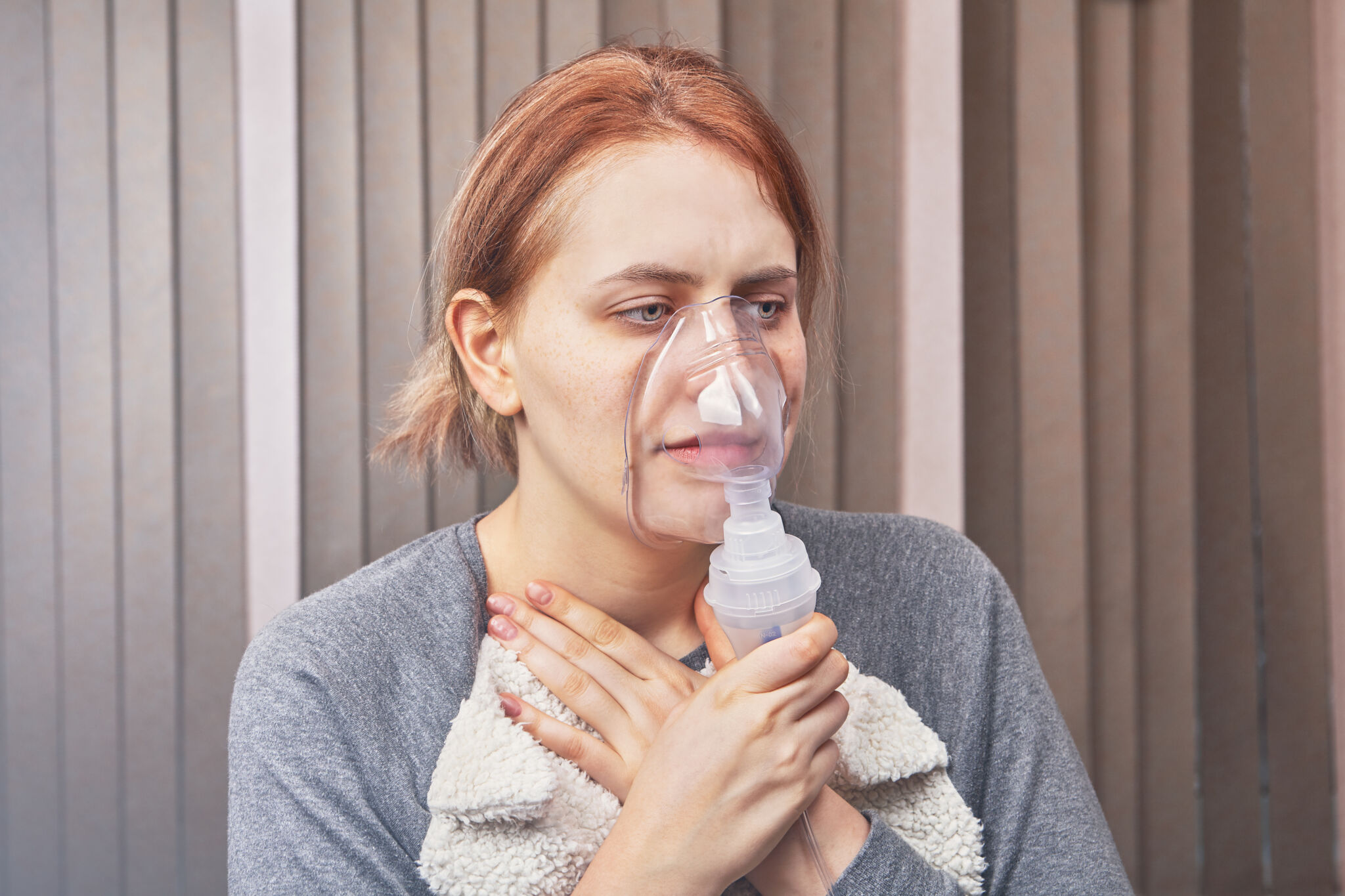
Key Types: Asthma, COPD, Bronchiectasis, and More
CRDs vary in pathophysiology, clinical presentation, and management strategies. The principal types are:
- Asthma: A reversible airway disease characterised by bronchospasm, inflammation, and hyper‐responsiveness. Symptoms often fluctuate, with triggers ranging from allergens to exercise. Management follows the NICE guideline NG80. Asthma UK provides patient resources and support.
- Chronic Obstructive Pulmonary Disease (COPD): An irreversible condition combining chronic bronchitis and emphysema, leading to progressive airflow limitation. Smoking is the primary cause. Diagnosis and treatment adhere to NICE guideline NG115 and NHS protocols.
- Bronchiectasis: Marked by permanent dilation of bronchi due to recurrent infection or inflammation, causing daily cough and excessive sputum. The British Lung Foundation offers guidance on managing this condition.
- Pulmonary fibrosis and interstitial lung disease: Involve scarring of lung tissue, leading to stiff lungs and breathlessness on exertion. Specialty clinics provide multidisciplinary care.
- Occupational lung diseases: Result from inhalation of dust, chemicals, or fumes in the workplace (e.g., asbestosis, silicosis). Legal controls under COSHH and HSE guidance aim to prevent these conditions.
Each type demands tailored approaches. For example, asthma management often emphasises trigger avoidance and personalised self‐management plans, whereas COPD care prioritises smoking cessation and pulmonary rehabilitation. Bronchiectasis guidelines increasingly recommend long‐term macrolide prophylaxis (e.g., antibiotics) or regular airway clearance techniques. Interstitial lung diseases may benefit from antifibrotic agents reviewed under specialist care, reflecting the evolving therapeutic landscape across CRDs.
Causes and Risk Factors
Multiple factors contribute to the development and progression of CRDs. Key risk factors include:
- Tobacco smoke: Active smoking and second‐hand exposure remain the leading cause of COPD and can exacerbate asthma.
- Occupational exposures: Dusts (e.g., silica, coal), fumes (e.g., welding, diesel), and chemicals can damage the airways over time.
- Genetic predisposition: Conditions (such as alpha‐1 antitrypsin deficiency) increase susceptibility to emphysema.
- Infections: Childhood or recurrent lower respiratory tract infections may predispose to bronchiectasis.
- Air pollution: Particulate matter and nitrogen dioxide aggravate existing lung disease and impair lung development in children.
- Allergens and atopy: Exposure to pollen, dust mites, and pet dander can trigger or worsen asthma.
Environmental and social factors play a critical role in shaping the risk and progression of chronic respiratory diseases (CRDs). Poor housing conditions, low socioeconomic status, and limited access to healthcare can exacerbate vulnerability, particularly in communities already facing health inequalities. For example, children living in areas with high levels of traffic-related air pollution are more likely to develop asthma, highlighting the direct impact of environmental exposure on respiratory health.
Occupational settings also contribute to CRD risk, especially where exposure to airborne irritants is poorly regulated. While workplace safety standards, such as the Control of Substances Hazardous to Health (COSHH), aim to mitigate these hazards, inconsistent enforcement can leave workers, particularly those in manual or industrial roles, at heightened risk.
Adding to this complex picture, genetic predispositions like alpha-1 antitrypsin deficiency further illustrate how inherited traits interact with environmental stressors. Early genetic screening in families affected by this condition can support timely diagnosis and preventative care, underscoring the need for integrated approaches that consider both biological and social determinants in CRD management.
Symptoms to Watch For
Early recognition of CRDs allows prompt intervention and may slow disease progression. Common symptoms include:
- Chronic or recurrent cough, often productive of sputum.
- Breathlessness on exertion, worsening over time, or during flare‐ups.
- Wheezing: A high‐pitched whistling sound during breathing, particularly on exhalation.
- Chest tightness or discomfort.
- Frequent respiratory infections or prolonged recovery times.
- Fatigue and reduced exercise tolerance.
Beyond these hallmark signs, patients may experience less obvious symptoms such as sleep disturbances due to nocturnal coughing or hypoventilation, unintentional weight loss in advanced COPD, or digital clubbing (a swelling and rounding of the fingertips often linked to chronic low oxygen levels) in bronchiectasis and pulmonary fibrosis. Recognising these subtler manifestations can prompt earlier referral to respiratory specialists.
To aid in self-management, action plans for asthma and COPD often instruct patients to monitor “personal best” peak flow or symptom scores. This proactive approach enables them to detect exacerbations days before a full‐blown flare and adjust treatment proactively.
How CRDs Are Diagnosed
Diagnosis of CRDs combines clinical evaluation with objective tests:
- Medical history and physical examination: Clinicians assess symptom patterns (e.g., chronic cough, breathlessness), smoking history, occupational exposures (such as dust or chemical fumes), and family history of lung disease. A thorough history helps differentiate between asthma, COPD, and other conditions, and guides further testing.
- Spirometry: The cornerstone of diagnosis, measuring forced expiratory volume in one second (FEV₁) and forced vital capacity (FVC). A reduced FEV₁/FVC ratio indicates airflow obstruction, commonly observed in COPD and asthma. It’s essential for staging disease severity and monitoring response to treatment. More details are available on the NHS Spirometry page.
- Peak flow monitoring: Particularly useful in asthma, this tool tracks daily variability in airway function. Patients can use handheld devices to measure peak expiratory flow (PEF), helping detect early signs of exacerbation and assess treatment effectiveness.
- Imaging studies: Chest X-rays may show hyperinflation or infection, while high-resolution CT scans provide detailed views of structural changes, such as emphysematous bullae in COPD or bronchial dilation in bronchiectasis. Imaging is crucial for confirming diagnosis and ruling out alternative causes of symptoms.
- Blood tests: These help identify underlying inflammatory or genetic factors that may influence disease progression or response to treatment. Elevated eosinophil counts may suggest eosinophilic asthma or guide corticosteroid therapy. Testing for alpha-1 antitrypsin deficiency is recommended in younger patients with unexplained emphysema or a family history of lung disease.
- Exercise and challenge tests: These assess airway responsiveness and functional capacity. Exercise testing can reveal exertional breathlessness not apparent at rest, while bronchial challenge tests (e.g., methacholine or histamine) help confirm asthma by provoking airway narrowing under controlled conditions.
In primary care, general practitioners (GPs) often conduct initial spirometry to assess lung function and identify potential respiratory impairment. When cases are complex or symptoms persist despite normal findings, patients are referred to secondary care for further evaluation and specialist input. Differential diagnoses may include non-respiratory causes such as heart failure, obesity-related dyspnoea, or anxiety disorders, highlighting the importance of a comprehensive and holistic assessment.
If standard investigations yield inconclusive results, referral for specialist procedures, such as bronchoscopic evaluation or cardiopulmonary exercise testing, can help clarify the diagnosis. These advanced tools enable accurate classification of respiratory conditions and support the development of targeted, personalised treatment plans.
Understanding Lung Function Tests
Accurate assessment of lung function is essential for diagnosing chronic respiratory diseases, monitoring progression, and tailoring treatment. Various tests are available, each offering unique insights into respiratory mechanics, gas exchange, and functional capacity. These include:
- Spirometry: Captures FEV₁ and FVC values, expressed as percentages of predicted normal values for age, sex, and height. Bronchodilator reversibility testing distinguishes asthma (significant improvement post-inhaler) from COPD.
- Gas transfer (TLCO/DLCO): Measures the diffusion capacity of the lungs for carbon monoxide, useful in assessing interstitial lung disease or the severity of emphysema.
- Plethysmography: Provides total lung capacity and residual volume, identifying hyperinflation in COPD.
- Peak expiratory flow rate (PEFR): A self-monitored tool used in asthma action plans to detect early deterioration and guide treatment adjustments.
- 6-Minute Walk Test: Evaluates functional exercise capacity, often used in pulmonary rehabilitation assessment.
Interpreting these results requires clinical expertise. For example, a low DLCO with normal spirometry suggests isolated impairment of gas exchange, as seen in early pulmonary fibrosis, while hyperinflation on plethysmography correlates with severe emphysema. Repeated measurements over time track disease progression and treatment responses. For example, declines in FEV₁ may prompt escalation of inhaled therapies or discussion of non-invasive ventilation in advanced disease.
Treatment Options: Inhalers, Medications, and Oxygen Therapy
Effective management of CRDs requires a combination of pharmacological and non-pharmacological treatments. Core medication classes include:
- Short-acting bronchodilators (e.g., salbutamol) provide rapid relief of bronchospasm.
- Long-acting bronchodilators (LABAs, LAMAs) maintain airway patency in COPD and severe asthma.
- Inhaled corticosteroids (ICS) reduce airway inflammation in asthma; they are sometimes added to COPD regimens for frequent exacerbators.
- Combination inhalers (LABA/ICS or LABA/LAMA) simplify dosing and improve adherence.
- Oral therapies: Theophyllines, leukotriene receptor antagonists, and azithromycin prophylaxis in bronchiectasis.
- Biologic agents: Monoclonal antibodies targeting IgE or interleukins in severe, uncontrolled asthma.
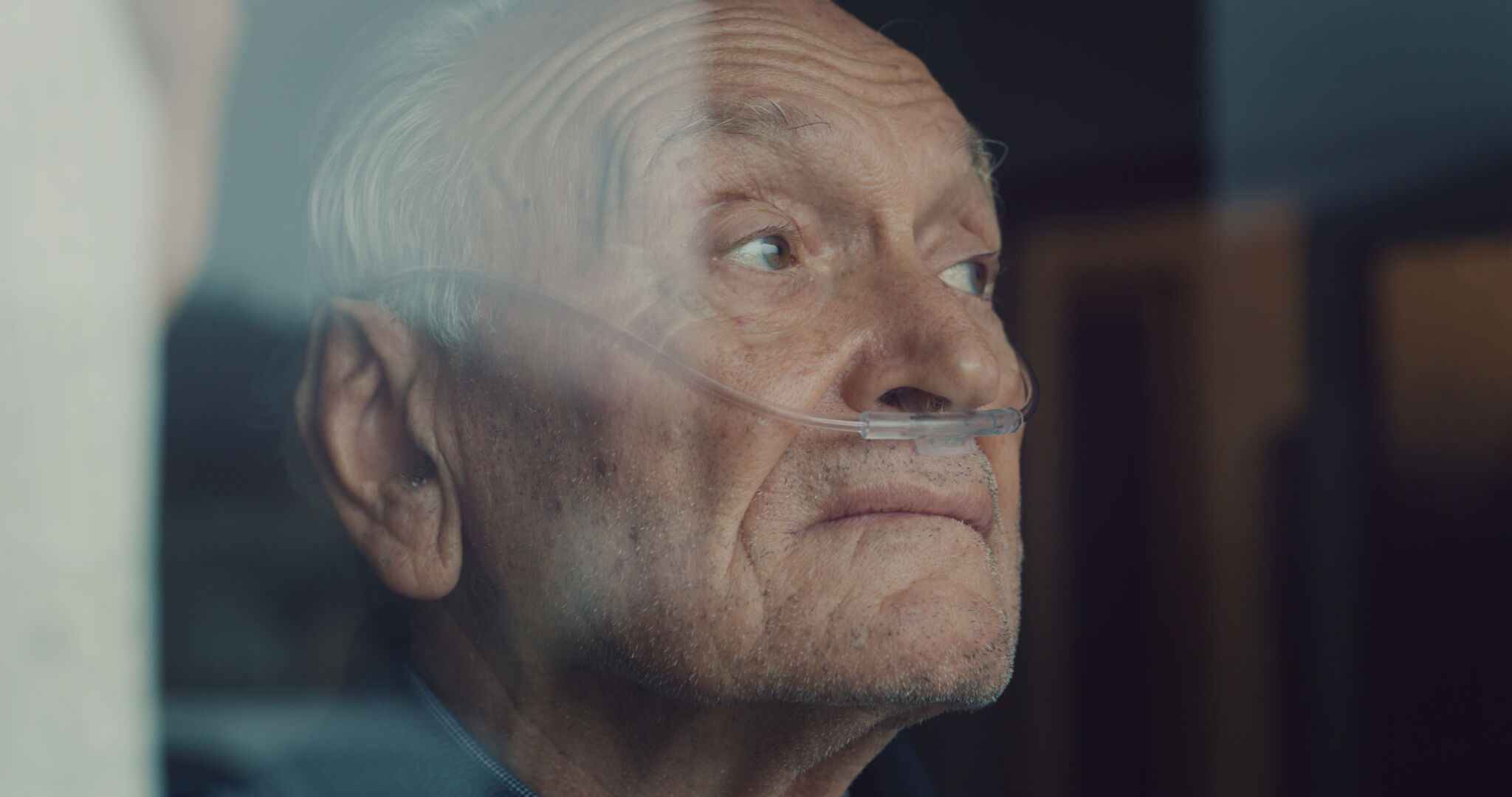
- Long-term oxygen therapy: For patients with resting hypoxaemia, improving survival in COPD.
Adjunctive treatments play a vital role in managing chronic respiratory diseases beyond standard pharmacotherapy. These include mucolytics to thin airway secretions, airway clearance devices (such as mechanical insufflation–exsufflation) to aid mucus removal, and targeted antibiotic courses for managing infections in bronchiectasis. In specialist centres, newer modalities, such as endobronchial valves for severe emphysema and bronchial thermoplasty for refractory asthma, offer additional options for selected patients.
Treatment regimens should be reviewed regularly to assess efficacy, monitor for side effects, and ensure adherence, allowing timely adjustments that optimise patient outcomes. Patient education remains central to successful management. Correct inhaler technique, including the use of spacers where recommended, is critical; poor technique can significantly reduce drug delivery to the lungs and contribute to preventable deterioration in respiratory function.
Lifestyle Modifications to Support Lung Health
Medication alone is not enough – lifestyle changes play a vital role in helping individuals maintain lung function, manage symptoms more effectively, and improve their overall quality of life. Key strategies include:
- Smoking cessation remains the single most effective intervention to slow COPD progression and reduce exacerbations.
- A balanced diet and hydration support optimal respiratory muscle function and help manage mucus viscosity.
- Regular physical activity, such as walking or swimming, strengthens respiratory muscles and improves symptom control.
- Weight management: Maintaining a healthy weight eases breathlessness; obesity increases respiratory workload.
- Vaccinations: Annual influenza and one-off pneumococcal vaccines prevent respiratory infections that can precipitate exacerbations.
Integrating breathing exercises, such as pursed-lip breathing and diaphragmatic breathing, into daily routines can reduce dyspnoea and anxiety. Alongside this, nutritional guidance from dietitians may include antioxidant-rich diets to support lung repair. Increasingly, digital apps and wearable devices enable patients to track activity levels, symptoms, and environmental triggers. These tools foster self-management and enable healthcare teams to intervene early when patterns of decline emerge.
Managing Flare-Ups and Exacerbations
Exacerbations, i.e., acute worsening of symptoms, drive hospital admissions and accelerate lung function decline. To reduce their frequency and impact, key strategies include:
- Action plans: Written plans outline when to increase reliever inhalers, initiate oral steroids or antibiotics, and seek medical help.
- Early recognition of signs such as increased sputum volume, colour change, or more frequent wheezing.
- Prompt initiation of rescue medications, often delivered via home nebulisers or short courses of prednisolone.
- Telehealth monitoring, using remote symptom tracking and clinician support to manage mild exacerbations at home.
Reducing exacerbation frequency is a primary goal in CRD management. Evidence shows that timely antibiotic therapy in COPD cuts exacerbation duration by nearly 50%, improving recovery and reducing complications. In primary care, embedding community pharmacist review of rescue medication use can identify patients at risk of frequent flares, prompting pre-emptive clinic reviews and medication optimisation. To further support early intervention, hospitals increasingly offer rapid‐access exacerbation clinics, where patients receive same-day assessment and treatment, reducing the need for inpatient care and improving outcomes.
Smoking Cessation and Environmental Control
Eliminating exposure to respiratory irritants protects lung health. Measures include:
- Smoking cessation support: Access to behavioural therapy, nicotine replacement, and medications through NHS Quit Smoking.
- Indoor air quality: Reducing exposure to mould, dust mites, and volatile organic compounds by maintaining good ventilation, using allergen-proof bedding, and avoiding indoor smoking.
- Outdoor pollution: Monitoring air quality indices and limiting outdoor activity on high-pollution days.
- Occupational safeguards: Use of respirators and adherence to COSHH regulations in high-risk workplaces.
Emerging research on ultrafine particulate matter suggests that even low-level exposures contribute to CRD progression, underscoring the value of clean-air initiatives and policies that reduce vehicle emissions near schools and residential areas where vulnerable populations are most affected. As part of comprehensive patient education, individuals should be informed about real-time monitoring tools and guided on how to create “safe rooms” at home. These are spaces equipped with air purifiers to maintain low particulate concentrations and minimise indoor exposure.
Pulmonary Rehabilitation Programmes
Pulmonary rehabilitation (PR) combines supervised exercise, education, and psychosocial support to improve CRD outcomes. Core components include:
- Exercise training: Aerobic and strength exercises tailored to individual capacity.
- Breathing techniques: Pursed lip and diaphragmatic breathing reduce dyspnoea.
- Education sessions: Covering disease understanding, medication use, and exacerbation management.
- Nutritional advice: Addressing weight issues and optimising diet for respiratory health.
- Psychosocial support: Group settings facilitate peer support and coping strategies for anxiety or depression associated with CRDs.
Typical pulmonary rehabilitation (PR) courses run for six to eight weeks, with twice-weekly sessions that combine supervised exercise and education. Outcomes are well-documented, including a 20–30% improvement in exercise tolerance and a 40% reduction in hospital readmissions. To help sustain these benefits, many programmes offer maintenance classes and digitally delivered options, such as video conferencing and wearable sensor integration, that support ongoing engagement and monitoring.
Referral criteria traditionally require an MRC dyspnoea grade of ≥2 in patients with COPD. However, eligibility is expanding to include individuals with interstitial lung disease and bronchiectasis, reflecting growing recognition of PR’s value across a broader spectrum of respiratory conditions.
Living with a CRD: Day-to-Day Management
Effective daily management of chronic respiratory diseases involves more than just medication – it requires a coordinated blend of clinical care and patient-led routines. When integrated consistently, these strategies can improve symptom control, reduce exacerbation risk, and enhance quality of life:
- Symptom diaries: Tracking breathlessness, peak flow, or oxygen saturation helps guide therapy adjustments and detect early deterioration.
- Medication reminders: Smartphone apps or pillboxes support adherence by helping patients take medications consistently.
- Structured rest periods: Balancing activity with rest helps avoid overexertion and fatigue, especially in those with limited respiratory reserve.
- Home oxygen safety: Clear signage, fire safety measures, and regular device maintenance ensure safe and effective use of oxygen at home.
- Support networks: Engaging with patient support groups or online communities offers shared experiences, emotional support, and practical tips.
- Energy conservation techniques: Strategies such as sitting while dressing or using wheeled trolleys for shopping help minimise breathlessness during daily tasks.
- Telemonitoring systems: Devices that transmit home spirometry and oximetry readings to respiratory teams enable timely, proactive care adjustments.
- Wearable pulse oximeters: Tools integrated with smartphone alerts that notify users when oxygen saturation falls below personalised thresholds, prompting early intervention.
Together, these approaches foster a sense of control, encourage collaboration with healthcare providers, and support long-term stability in respiratory health.
Mental Health and Respiratory Conditions
Living with a chronic respiratory disease (CRD) often entails significant psychological challenges. Many patients experience anxiety related to breathlessness, isolation due to activity limitations, and depression stemming from the ongoing burden of illness. These emotional factors can compound physical symptoms and undermine self-management efforts.
Integrated care models increasingly recognise the importance of addressing mental health alongside respiratory care, for example:
- Routine mental health screening in respiratory clinics helps identify patients in need of support early.
- Access to counselling or cognitive behavioural therapy (CBT) is recommended for managing anxiety, panic episodes, and the emotional impact of breathlessness.
- Mindfulness and relaxation techniques help stress-induced breathing difficulties and promote emotional resilience.
- Peer support groups offer connection and shared insight, enabling individuals to share coping strategies and feel less isolated.
Research indicates that up to 40% of patients with COPD experience clinically significant anxiety or depression, which in turn worsens dyspnoea perception and increases the risk of exacerbations. Collaborative care pathways, where mental health practitioners are embedded within respiratory teams, facilitate rapid access to psychological therapies. Additionally, digital mental health platforms, such as NHS-commissioned apps, provide supplementary support between clinic visits, helping patients manage their emotional well-being more consistently.

Support for Carers and Families
Carers play a vital role in supporting individuals with chronic respiratory diseases (CRDs), often managing complex care needs while facing emotional, practical, and financial challenges. Their contribution is essential, yet the demands of caregiving can lead to stress, fatigue, and burnout if adequate support is not in place. A range of resources and strategies can help carers maintain their own well-being while continuing to provide effective care:
- Education on medication administration, oxygen equipment, and emergency response empowers carers to confidently manage daily tasks.
- Respite services offer carers essential breaks, allowing time to rest and attend to personal needs.
- Caregiver support groups provide a space to share experiences, access peer advice, and reduce feelings of isolation.
- Practical aids such as mobility scooters, home adaptations, and telehealth devices ease physical demands and improve safety.
- Financial guidance on benefits eligibility, including Personal Independence Payment (PIP), helps carers navigate the economic impact of their role.
In England, local authorities conduct carers’ assessments under the Care Act 2014 to determine eligibility for support such as training, equipment, and scheduled breaks. Charities like the British Lung Foundation offer carer-focused workshops, while digital platforms connect carers with 24/7 advice lines for real-time guidance, helping them manage responsibilities and access timely support. Recognising the risk of carer burnout, integrated care teams aim to develop sustainable support plans that balance patient needs with carer well-being.
Accessing NHS Services and Specialist Care
Timely access to appropriate NHS services is essential for effective management of chronic respiratory diseases (CRDs). A coordinated approach across different levels of care ensures that patients receive the right support at the right time, from initial diagnosis to long-term monitoring and crisis intervention. Key components of this care pathway include:
- Primary care: GPs handle initial diagnosis, routine reviews, and stable medication prescriptions.
- Community respiratory teams: Provide home visits, oxygen assessments, and pulmonary rehabilitation referrals.
- Secondary care: Respiratory clinics in hospitals offer advanced diagnostics, specialist therapies, and management of complex cases.
- Exacerbation pathways: Rapid access clinics or hotlines for early treatment of flare-ups, reducing hospital admissions.
- Virtual consultations: Telemedicine options for remote monitoring and follow-up, improving convenience and continuity of care.
Patient access to respiratory care often varies depending on local Integrated Care System (ICS) arrangements, which coordinate services across primary, community, and hospital settings. To streamline specialist appointments, electronic referral platforms, such as NHS e-Referrals, are widely used, improving efficiency and reducing delays. Patients are also encouraged to register with practice respiratory registers, which enable proactive recalls for annual reviews, vaccination reminders, and timely interventions.
Conclusion
Understanding and managing chronic respiratory diseases demands a comprehensive, multifaceted approach. From early diagnosis and tailored pharmacotherapy to lifestyle support and specialist interventions, effective CRD care empowers individuals to maintain independence and quality of life. By leveraging NHS resources, engaging support networks, and adopting self-management strategies, patients and carers can navigate the challenges of CRDs with confidence and resilience.
As care increasingly shifts toward integrated models, collaboration between respiratory teams, mental health practitioners, and community services becomes essential. Timely access to appropriate NHS pathways, digital health tools, and carer support ensures that both patients and those who care for them receive holistic, person-centred care. With the right systems in place, CRD management can move beyond symptom control – toward sustained well-being, proactive prevention, and a more connected experience of care.