
In this article
County lines crime can feel confusing because it blends drugs, violence, exploitation and online grooming into one fast-moving risk. For the young people or vulnerable adults caught up in it, day-to-day life is often shaped by fear and loss of control. Adults around them may only see fragments: a new phone, periods where the individual is missing or a sudden dip in school attendance. Early identification matters because it can prevent escalation and reduce the risk of serious violence or harm.
This guide is for parents, carers, teachers, youth workers, safeguarding leads and anyone who supports children, young people or vulnerable adults. It explains what county lines means in the UK, how recruitment typically happens, and the practical warning signs you may notice in real life. It also outlines what to do next, how to raise concerns safely, how to preserve evidence without increasing risk, and the main reporting routes and support options across the UK.
Children involved in county lines are victims first. The same principle applies to young people and vulnerable adults who are exploited. Gangs rely on grooming, coercion, threats and violence to exert control. Many people don’t recognise themselves as victims and may deny what is happening, but that does not reduce the risk. It means professionals and carers need to respond calmly and diligently, with safeguarding actions prioritised over blame or confrontation.
What is county lines crime in the UK?
“County lines” is a term used in the UK to describe gangs and organised criminal networks that move drugs from one area to another, often from large cities into smaller towns, coastal areas or rural communities. They usually use a dedicated mobile phone number (a “deal line”) to take orders and to coordinate runners and sellers.
The model relies on exploitation. Gangs frequently exploit children, young people and vulnerable adults to transport drugs and money, store drugs or run the line in an “importing” area.
The country lines crime model doesn’t just involve crossing county borders. Some activity stays within the same police force area or even within the same town. What distinguishes county lines is the organised dealing network behind it, the use of a deal line, and the systematic exploitation of children and vulnerable people. People exploited in this way can face physical, mental and sexual abuse, and may be moved far from home to play a part in the network’s business.
County lines often involves:
- Recruiting and grooming children to act as couriers or dealers
- Using threats, violence, debt or sexual coercion to control people
- Moving a child from one location to another, so that they are selling drugs in unfamiliar places
- Using “cuckooing”, where gangs take over a vulnerable person’s home as a base
- Forcing young people into debt, then using that debt to keep them trapped
It helps to remember that county lines is a safeguarding issue as much as a policing issue. The victim’s risk can escalate quickly. A young person may start by “holding” a package, and within weeks, they might be carrying weapons, sleeping in unsafe houses or going missing for days. Therefore, the earlier you spot the signs, the greater the chance to intervene before the situation becomes dangerous.

County lines warning signs checklist
County lines indicators rarely appear in isolation. More often, they show up as patterns that can be seen in behaviour, belongings, attendance, online activity and relationships. Having a clear set of indicators helps you join those dots and judge when concerns need to be escalated.
Think in three layers:
- Immediate safety red flags (urgent)
- Emerging indicators (early warning)
- Contextual risk factors (what makes a child more vulnerable)
Immediate safety red flags can include:
- Someone going missing overnight or returning with injuries they cannot explain
- Reports of threats, assault or sexual harm
- Signs a person is carrying a weapon or facing violence from others
- Staying in properties where adults appear to be controlling, aggressive or unknown
- Evidence of active drug supply, such as large amounts of cash, multiple mobile phones, frequent calls to unknown numbers or messages referring to a “line” or collections
Emerging indicators that deserve attention include:
- Sudden possession of a second phone or multiple SIM cards
- Being secretive about or closely guarding a phone
- Regular taxis, ride-hailing or lifts from unknown adults
- Having new expensive items with no clear explanation
- A noticeable change in peer group, including older associates
- Increased absence from education, training or work
- Repeated travel to the same area, or unusual travel patterns
Contextual risk factors that can increase vulnerability include:
- Previous overnight or multi-day absences
- Homelessness, sofa-surfing or unsafe housing
- Being in local authority care, recently placed or experiencing unstable placements
- A history of trauma, bereavement, family conflict or domestic abuse
- Exclusion from education, disengagement from services or lack of a trusted adult
- Neurodiversity, learning disability or mental health difficulties
- Poverty, personal debt or limited access to safe activities
No checklist replaces common sense or lived knowledge of the person involved. However, it can help you take concerns seriously and track them closely. If several indicators appear together or persist over time, it’s important to share those concerns. That might mean speaking to a safeguarding lead, contacting the school or seeking advice from a local support service before the situation escalates.
How exploitation takes hold
Exploitation doesn’t always start with obvious harm. A young person may experience it first as an opportunity to make money, get attention or feel a sense of belonging. Over time, those early rewards are replaced by pressure and obligation, and control is maintained through threats and fear. This shift can happen quickly and often without the child recognising it.
As exploitation deepens, changes may appear that are harder to capture on a checklist. A child may seem anxious, numb, hyper-alert or emotionally withdrawn. They may minimise injuries, appear exhausted, or show fear of specific people or places without explaining why.
Many children, young people and vulnerable adults don’t recognise that they are being exploited. Some actively deny they are being harmed, even when they are frightened. Fear of retaliation against themselves or their family, or being told that police or social workers will punish them, often keeps victims silent. A refusal to disclose should never be taken as reassurance.
Children and vulnerable people who are involved in county lines are victims first. The absence of disclosure does not mean the absence of risk – which is why calm, consistent safeguarding responses matter more than confrontation or blame.
County lines grooming vs trafficking
People sometimes treat county lines as “just crime”, while they treat trafficking as “something else”. In practice, county lines often includes trafficking dynamics. A gang may recruit, transport and control a child or young person for the purpose of exploitation. That movement might be within the same town or across multiple locations.
Grooming is the method used to draw someone in and gain their trust. Trafficking describes the movement and control that enables exploitation. In many cases of county lines crime, both are present.
Grooming in county lines often involves:
- Targeting someone who feels isolated, excluded or in need of belonging
- Offering friendship, protection, money or status
- Providing gifts such as food, trainers, lifts, vapes or drugs
- Introducing small tasks that seem manageable, such as holding a phone or delivering a package
- Gradually escalating demands, then using threats, debt or intimidation to prevent them from leaving
Trafficking indicators within county lines can include:
- Being moved to unfamiliar areas to sell drugs
- Adults arranging transport, booking hotels or short-term lets, or using so-called “trap houses”
- Being found far from home without a clear explanation
- Being unable to say where they are staying, or appearing to be coached on what to say
- Having their phone, money, identification or travel controlled closely
Where movement, coercion or control are present, the situation should be treated as potential exploitation. That means safeguarding first, gathering concerns carefully and involving appropriate support services rather than focusing only on criminal behaviour. Local pathways differ, so follow your area guidance and seek advice early.
Red flags in school behaviour
Staff in schools can often spot early changes in behaviour because they see young people on a daily basis. However, they may worry about overreacting or making false assumptions. A practical approach is to focus on observable changes and patterns, then involve the safeguarding lead early.
Attendance and punctuality patterns:
- Repeated lateness, especially after lunch or on particular days
- Unexplained absences that cluster around weekends or pay days
- Leaving the school grounds at break or lunch and returning distressed
- A sudden drop in engagement after becoming involved with a new friendship group
Behaviour and emotional shifts:
- Increased aggression, conflict or rapid escalation
- Withdrawal, low mood or seeming “numb”
- Anxiety when phones buzz, or when asked about plans
- Appearing fearful of being searched, questioned or delayed
Safeguarding and boundary signals:
- Refusing to stay for detention even when the consequences are serious
- Saying they can’t attend after-school clubs anymore, without explanation
- Demanding to leave immediately to meet someone
- Becoming protective of bags, coats or lockers
Peer dynamics:
- A young person suddenly having older associates waiting near the school gates
- Peers who appear to “direct” the child, including where they sit or who they talk to
- Reports of intimidation, bullying or debt between students
If your school uses safeguarding chronologies, add each incident promptly. While one late mark means little, 10 late marks, plus secrecy, plus new luxury items paint a fuller picture.
Also share concerns with pastoral staff, attendance teams and behaviour leads. If you work in education, ensure your response aligns with safeguarding frameworks such as Keeping children safe in education.
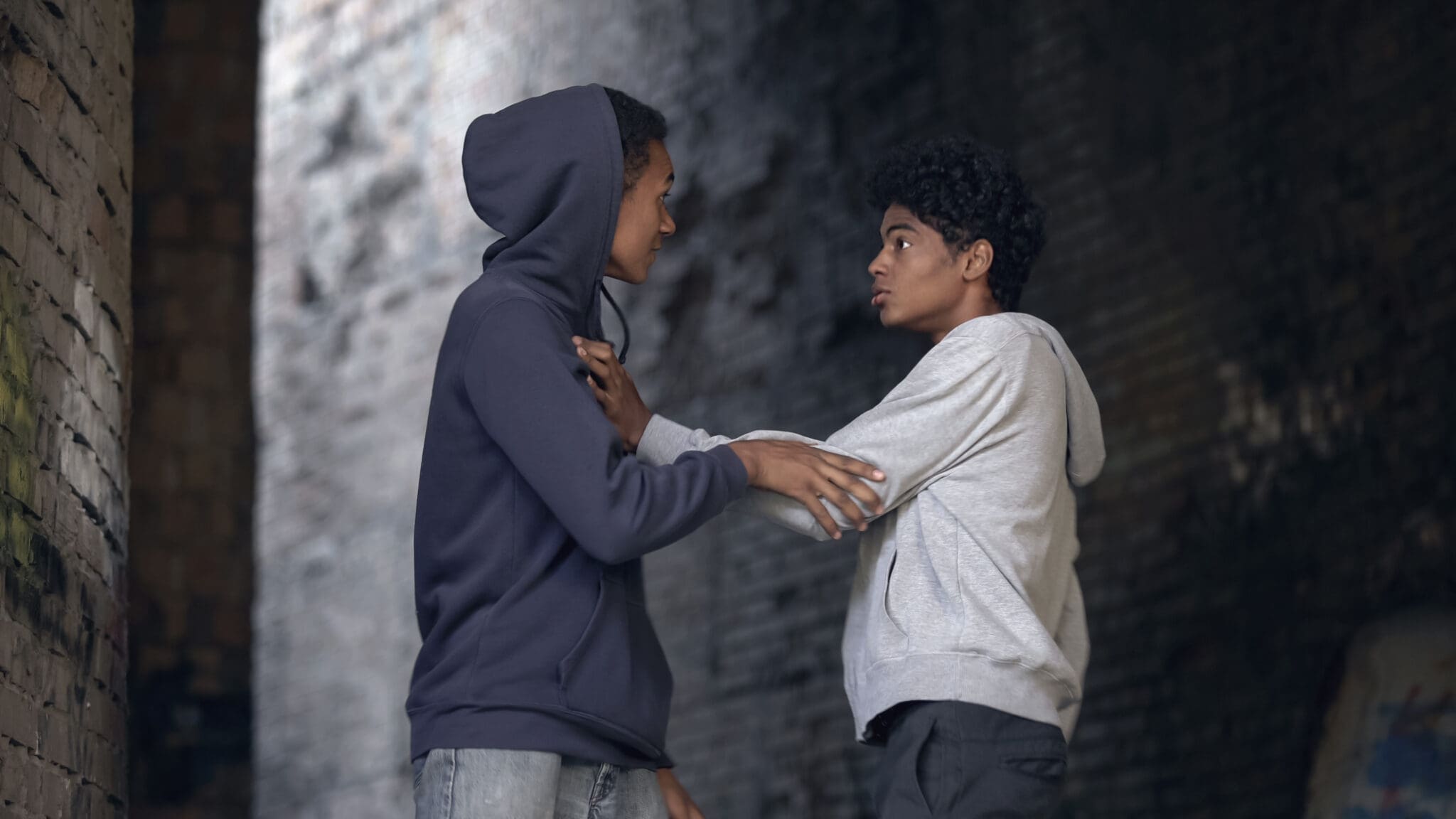
Phone and social media indicators
County lines recruitment often starts online. Exploiters use social media and messaging apps to make direct contact, move conversations into private channels and maintain constant communication. In practice, this can look like messages from older individuals offering money or “opportunities”, pressure to switch to encrypted apps, frequent late-night contact that demands quick replies, requests to share location and instructions sent by text or voice note. Platforms and slang change quickly, but the pattern is consistent: contact becomes private, expectations increase, and control is reinforced as a result of pressure, debt or threats.
Phone-based signs you might notice include:
- A second phone, or changing SIM cards frequently
- A new phone the child, young person or vulnerable adult will not let anyone touch
- Multiple messaging apps, especially encrypted ones, with constant alerts
- Deleting messages quickly or clearing chat history frequently
- Secretive behaviour around passwords, screen time and notifications
- Setting multiple alarms at night, or waking up to reply to messages
Social media and online behaviour can include:
- New followers, often unknown, who look older or are located in different towns
- Sudden interest in content about money, status, fast cars, weapons or “going country”
- Posts that suggest a new identity, such as expensive items, cash photos or coded captions
- A child receiving frequent DMs from unfamiliar accounts
- Signs of sexual coercion or “compromising images” used as blackmail
A key point: do not demand access to someone’s phone or insist they hand it over. If messages suddenly stop or a device goes silent, the person involved could face retaliation. Focus first on safety. Record what you have noticed, avoid confronting suspected exploiters, and seek advice from a safeguarding lead, local support service or the police before taking further action.
Money, gifts and signs of debt
Money is a common hook, but debt is the more powerful trap. Gangs often create “fake debt” by making false claims. For example, they might claim that the victim lost drugs or damaged gang property (like a phone). They may also give gifts but demand repayment later. The gang then uses the debt to force the victim to continue working. You may notice that a teen suddenly has a new phone or new trainers, but later becomes anxious and desperate for money.
Signs linked to unexplained income or items can include:
- New trainers, coats, jewellery, tech or designer items
- Multiple takeaway meals and cash spending
- Giving gifts to friends, or paying for others
- Sudden access to taxis or hotels
- Cash that appears in odd amounts, or frequent small bundles
Signs linked to debt bondage can include:
- Saying they “owe someone” but refusing to share details
- Panic when an item goes missing, even something small
- Suddenly selling personal items, such as consoles or bikes
- Borrowing money repeatedly or stealing from home
- A caregiver noticing missing cash, jewellery or bank cards
Signs of debt often show up as emotional and behavioural changes, too:
- Fearful reactions to calls
- Avoiding going home or staying out late
- Complying quickly when someone demands something
- Looking physically tense and exhausted
If you suspect debt is being used to control someone, treat it as a sign of exploitation. Debt in county lines is often manufactured or inflated to trap a young person and make leaving feel impossible. The priority is to assess immediate safety, reduce further contact with exploiters where possible, and involve appropriate safeguarding or specialist support.
Missing episodes and travel patterns
A victim of county lines crime may go missing for periods of time, and this is one of the strongest indicators of harm. Some young people go missing repeatedly for short periods, returning late at night, then refusing to explain where they have been. Others disappear for days, sometimes in another town. They may be in houses used for drug dealing, in hotels or in the homes of vulnerable adults.
Warning signs include:
- New or increasing periods of going missing, even if only for a few hours
- Being found in another area without a clear or safe explanation
- Travel that follows a repeated pattern, such as the same day each week
- Carrying spare clothes, a toothbrush or cash “just in case”
- Tickets, rail cards or receipts that don’t match the explanation or timeline given
- Phone records showing repeated calls or messages from unknown numbers linked to periods of absence
- Returning hungry, unwashed, injured or visibly exhausted
Subtler travel clues:
- Using slang, talking about “going OT”, “going country”, “going cunch”, or “on a mission”
- Suddenly seeming to know train times, routes or safe houses
- Using location sharing only with certain people, not family
When a child goes missing, take it seriously each time. Repeated short missing episodes can be a gateway to longer, more dangerous ones. If you are a parent or carer, report a missing child to the police immediately by calling 999 if you believe there is immediate danger, or 101 if the child is missing and you need police support. You can also find guidance and support through Missing People.
Professionals should follow local missing protocols, complete return home interviews and share intelligence with safeguarding partners. Multi-agency information-sharing can reveal patterns that one service alone can’t see.
Warning signs of cuckooing in homes
Cuckooing is when gangs take over the home of a vulnerable person and use it as a base for drug supply. The resident may be controlled through threats, debt, addiction or intimidation. Children, young people or vulnerable adults may be sent to the address to store or distribute drugs.
You might become aware of cuckooing through what you see in the community, what a young person tells you, or changes affecting a neighbour or family you support.
Signs that a property may be being used in this way include:
- Increased short visits at unusual hours
- People waiting outside, or taxis arriving frequently
- Individuals who appear to control who enters and leaves
- Damage to doors or locks, or sudden changes to security
- The resident appearing frightened, withdrawn or unable to speak freely
- Reports of noise, arguments, violence or visible drug paraphernalia
- Strong smells or other signs of drug use or dealing
If you suspect cuckooing, avoid confronting anyone directly, as that can increase risk for you and the resident. Share concerns with local police or safeguarding services. You can also report anonymously through Crimestoppers. If someone appears to be in immediate danger, call 999.
How county lines links to knife crime
County lines can increase the risk of serious violence, including knife crime. Gangs use threats to maintain control, and young people may carry knives because they feel unsafe or because others force them to carry. In some areas, weapons are moved alongside drugs and money.
A victim’s risk of knife harm can rise when:
- Rival groups compete for control of a market
- A line becomes “taxed” or robbed, leading to retaliation
- A victim owes a debt and the gang uses violence as punishment
- Travelling to unfamiliar areas where they feel vulnerable
- Carrying and transporting drugs or cash, making the victim a target for robbery
You might notice:
- A victim talking about needing protection, or “having to carry”
- Sudden interest in weapons online, including images, videos or slang
- Unexplained cuts, bruises or damaged clothing
- Friends or siblings reporting threats, fights or “beef”
- Avoidance of certain routes or fear of specific areas
If you believe a child, young person or vulnerable adult is carrying a weapon or facing immediate violence, involve safeguarding leads and the police urgently. Don’t attempt to search them unless your setting policy and training supports it, and it must be safe to do so. Focus on immediate safety, then specialist help.
Risks for children who are in care
Children and young people in foster care or residential care, and those who have recently left care, can face a higher risk of exploitation – although risk is not inevitable. Exploiters may target those who feel isolated, have moved placements several times, or lack stable, trusted adults. Some young people who have been in care also experience stigma or are treated as “trouble”, which can make them less likely to seek help.
Risk can increase when a child:
- Experiences placement instability or frequent moves
- Lives in semi-independent accommodation without strong support or supervision
- Has a history of missing episodes, trauma or abuse
- Feels disconnected from school or community activities
- Seeks belonging, identity and “family” outside care
- Has limited contact with consistent adults who can notice change quickly
In practice, you might notice:
- A young person missing from placement after contact with certain peers
- Unknown adults collecting the child or young person, or hanging around
- New phones, gifts and cash with vague explanations
- Increased conflict with carers, or refusing to share where they go
If you support children or young people in care, use a contextual safeguarding approach. Share information across care, education, police and health quickly. Tighten routines without escalating conflict and build protective, trusting relationships. Small actions like consistent check-ins, ensuring the individual has safe transport plans and encouraging purposeful activities can reduce vulnerability – especially in combination with specialist exploitation services.
How to handle concerns about county lines exploitation
When you suspect county lines exploitation, your actions should reduce risk, not increase it. You might feel tempted to search the victim, demand they hand over their phone, threaten punishment, or control where they go and who they see. Unfortunately, those steps can increase danger and push the victim further under gang control.
A safer approach focuses on ensuring immediate safety, having calm conversations, making careful recordings and referring to specialist services rapidly.
Step 1 – check immediate safety
Ask yourself:
- Is the person missing right now?
- Do you believe they face violence today/tonight?
- Are weapons involved?
- Is there a serious injury or sexual assault risk?
If yes, call 999.
Step 2 – create a calm window to talk
Choose a private, low-pressure moment. Keep your voice steady. Avoid displaying shock or anger. Young people often test adults first. If you react harshly, they may shut down.
Helpful phrases include:
- “I’ve noticed some changes, and I’m worried about your safety.”
- “You’re not in trouble with me. I want to understand what’s going on.”
- “If someone is pressuring you, you don’t have to handle it alone.”
- “We can get help that focuses on keeping you safe.”
Avoid saying things like:
- “Tell me everything right now.”
- “Give me your phone.”
- “If you don’t stop, I’ll call the police on you.”
- “You’re ruining your life.”
Step 3 – record your concerns promptly
Write down facts – what you have actually seen or heard and what has actually happened. Don’t record assumptions.
Record:
- Dates, times, locations
- What you saw and what the child said, using their words
- Names, nicknames, social handles, phone numbers, if shared
- Travel details, missing episodes and items noticed (like cash, expensive items, spare phones)
Step 4 – preserve evidence safely
You do not need to become an investigator.
However, you can preserve information without escalating risk:
- Don’t forward or share explicit images. Report them via official routes.
- If you see concerning messages on a school device, follow your policy and involve the designated safeguarding lead (DSL).
- Take screenshots only if your policy permits and it is safe, and store them securely.
- Keep packaging, tickets or notes that appear linked to travel or coercion, if you can do so safely.
- Do not confront suspects or post accusations online.
Step 5 – escalate through safeguarding routes
In schools and settings, report your concerns to the DSL immediately. The DSL can consult children’s social care, the police or local exploitation teams. In the community, contact the police via 101 or children’s social care via your local council. You can seek advice from the NSPCC helpline.
If a child faces online grooming, you can also use CEOP safety advice and reporting where appropriate, especially if sexual coercion or exploitation features are present.
Step 6 – keep the relationship steady
Leaving an exploitative situation rarely happens quickly. It’s usually achieved as a result of steady relationships and realistic alternatives. Keep showing up, even if the victim pushes back or denies what’s happening.
That might mean practical help – making sure they have food, helping them get to school or appointments, offering a safe space to talk, or quietly checking in without judgement. Small, consistent actions matter more than dramatic interventions.
Progress is rarely linear. There may be setbacks, renewed contact with exploiters or missed appointments. Staying calm, keeping boundaries clear and avoiding blame helps maintain trust. Over time, consistency and safe adult support make it more possible for a young person to step away from harm.
How to report county lines concerns in the UK
Reporting routes differ slightly across the UK, but the principles stay the same: if there is immediate danger, call 999. If you have non-urgent intelligence or concerns, use 101 or local safeguarding routes. If you want to report anonymously, use Crimestoppers. If you are a professional, follow your organisational policy and local safeguarding procedures.
If you are a parent, carer or community member:
- Call 999 if a child is in immediate danger, missing with high risk, or threatened with violence.
- Call 101 to report concerns to the police when it is not an emergency.
- Report anonymously through Crimestoppers if you can’t (or don’t want to) share your name.
- If you worry a child is being harmed, contact children’s social care through your local council. In England, the GOV.UK tool to report child abuse to a local council helps you find the right team.
- For advice about whether to report and what to say, contact the NSPCC helpline.
If you work in a school, college or youth setting:
- Report to the DSL as soon as possible and share your observations.
- Use your setting’s safeguarding recording system and create a timeline.
- The DSL can make referrals to children’s social care, the police or local exploitation teams.
- If you believe a child faces significant harm and the normal route is not acting quickly enough, you can escalate directly to children’s social care or the police, in line with whistleblowing and safeguarding duties.
If you support children or young people in care:
- Share information quickly with the child’s social worker and placement team.
- Treat missing episodes as safeguarding events, not isolated incidents. Information from return home interviews can help identify patterns, locations and individuals linked to exploitation.
- Consider multi-agency meetings when patterns emerge, not only after major incidents.
Support services for families and young people
Families affected by county lines criminal activity often feel overwhelmed and unsure what to do next. Some may be frightened. Others may feel ashamed, angry or blamed. In some cases, families are already dealing with financial strain, housing instability, mental health pressures or caring responsibilities, which can make it harder to respond quickly or confidently.
Support needs to recognise that reality. Families may not have the time, resources or emotional capacity to manage this alone. Practical help, clear advice and steady reassurance can make a significant difference. Services vary by area, but there are UK-wide starting points that can help families understand their options and reduce risk safely.
Families can seek advice and support through:
- NSPCC helpline (0808 800 5000) – confidential advice if you are worried about a child
- Missing People – support and guidance if a child or young person goes missing
- UK Safer Internet Centre – practical advice for parents on online safety and reporting
- Local early help or family support services via your council
If you are supporting a vulnerable adult who may be exploited or experiencing cuckooing, you can contact your local adult safeguarding team through the council for advice.
Support services for children and young people
Children and young people affected by county lines may feel scared, confused or unsure who to trust. Some may not see themselves as being exploited. Others may worry about getting into trouble or about what will happen to their family if they speak up.
It’s important to know that confidential support is available, and that asking for help doesn’t automatically mean you’ll be blamed.
Young people can access advice and support through:
- Childline (0800 1111) – for children and young people who want to speak to someone independently
- School or college pastoral teams, safeguarding leads or counselling services
- Local youth services or exploitation support teams – contact your council or local safeguarding partnership
- The Children’s Society – specialist support for children affected by exploitation
- Catch22 – delivers support programmes for young people affected by exploitation and violence in many areas of the UK
- St Giles Trust – offers county lines support and interventions designed to help young people stay safe and access opportunities beyond exploitation
Support services for vulnerable adults
County lines exploitation doesn’t only affect children. Vulnerable adults may be targeted through debt, addiction, coercion or cuckooing. Some may not recognise what is happening as exploitation, or may fear retaliation if they seek help.
If you are worried about a vulnerable adult, or you are an adult experiencing exploitation yourself, support is available. You can contact your local council’s adult safeguarding team for advice, speak to the police on 101 for non-emergency concerns, or call 999 if someone is in immediate danger. Anonymous reports can be made through Crimestoppers. In some areas, organisations such as St Giles Trust or Catch22 provide specialist exploitation support.
For practical help, Citizens Advice can offer guidance on debt, housing and benefits, which are often linked to vulnerability. Neighbourhood Watch also provides awareness information on county lines and cuckooing that can help communities recognise and report concerns safely.
If you suspect a home is being used for cuckooing, report concerns rather than confronting those involved. The person living there may need protection and support.

Final thoughts
The county lines crime model thrives on secrecy, organisation, speed, fear and ruthless exploitation. Yet it also leaves patterns that caring adults can notice: sudden new phones, unexplained money, missing episodes, travel routines, changing peer groups and anxiety linked to messages and calls. When you treat those signs as safeguarding signals, you have an opportunity to intervene early and potentially keep a vulnerable person out of harm.
If you feel concerned, trust the pattern you are seeing. Prioritise immediate safety, talk in a calm and non-judgemental way, record factual observations, dates and times, and escalate through established safeguarding routes. Use police routes for urgent and non-urgent reporting, and draw on specialist support like the NSPCC, Childline and local exploitation teams.
With steady adult support and fast action, it’s possible for many young people to step away from exploitation, take back control of their lives and build safer futures.