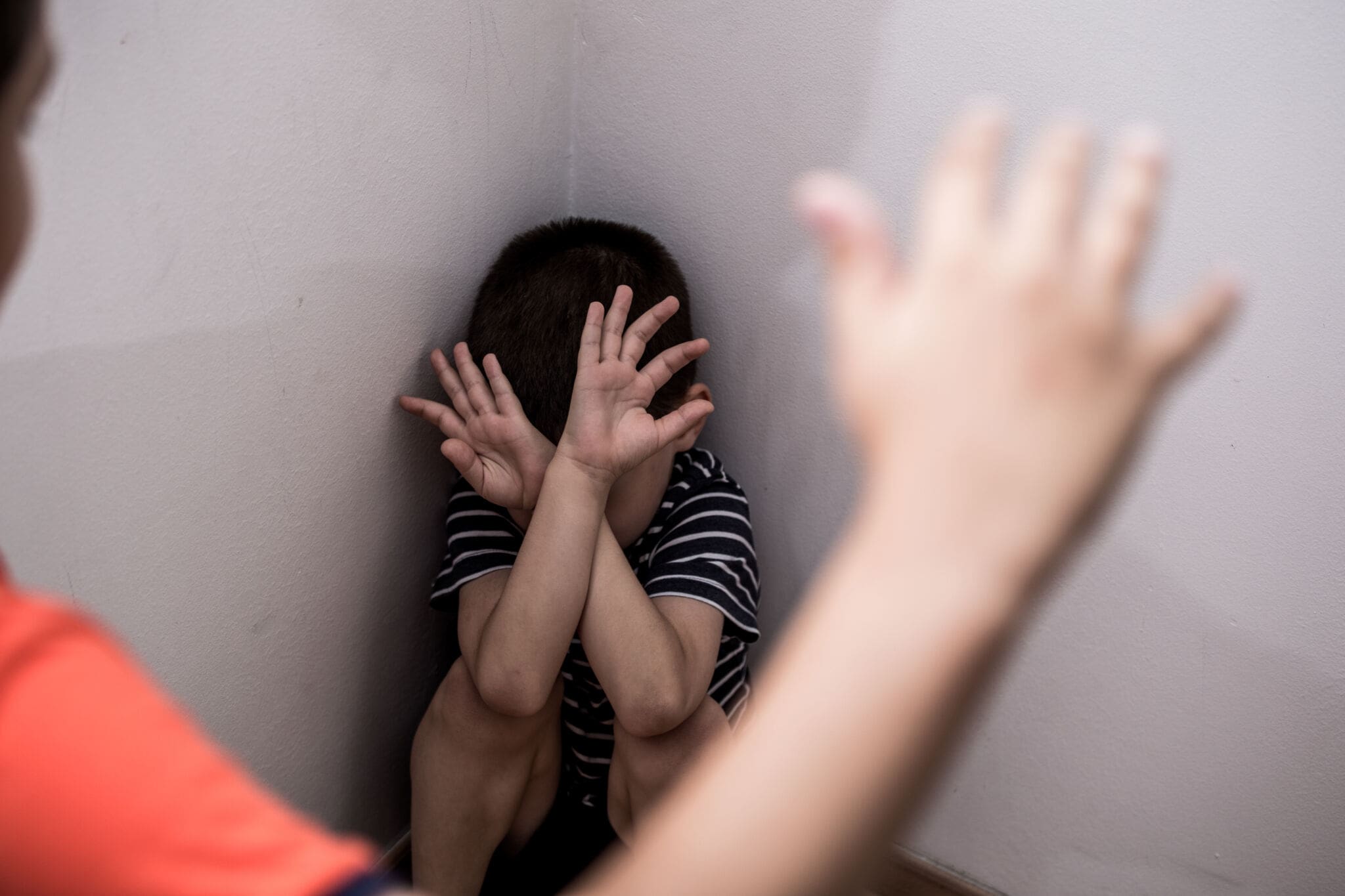
In this article
Understanding and addressing anxiety in adolescents is more important than ever in today’s fast-paced, hyper-connected world. Teenagers face a unique combination of developmental changes, including hormonal shifts, identity exploration, and increasing autonomy, set against the backdrop of academic expectations, social media influences, and wider societal pressures. While a degree of worry and nervousness is a normal part of growing up, persistent or overwhelming anxiety can hinder a young person’s emotional well-being, academic performance, and capacity to form healthy relationships.
In the UK, this concern is increasingly urgent. According to YoungMinds, in 2023, one in five children and young people aged 8 to 25 had a probable mental health condition, with the highest rates among 17–19-year-olds. Recent research conducted by Our Future Health, in partnership with the NHS, found that younger people were more likely than older people to report recent symptoms of anxiety and depression. This growing trend highlights the urgent need for targeted mental health support and early intervention strategies tailored to the unique challenges faced by adolescents in the UK today.
By gaining a nuanced understanding of what constitutes typical adolescent anxiety versus patterns that require intervention, parents, educators, and mental-health professionals can offer timely support and equip teenagers with the tools they need to thrive. This article explores the causes, signs, and impact of teen anxiety, offering practical strategies, therapeutic options, and UK-based resources to support young people and those who care for them.
What Is Teen Anxiety?
Anxiety in teenagers encompasses a broad continuum, from the fleeting nerves before a school presentation to chronic, excessive worry that permeates everyday life. At its essence, anxiety is the brain’s alarm system – designed to alert us to genuine danger but, in adolescence, often misfiring in response to commonplace challenges.
As the amygdala (our emotional centre) matures earlier than the prefrontal cortex (the reasoning centre), teens can experience intense emotional reactions before they have fully developed the capacity to regulate them. Puberty’s hormonal fluctuations further amplify emotional sensitivity, making ordinary social or academic stressors feel overwhelming. Recognising that teen anxiety can manifest as racing thoughts, persistent worry, avoidance behaviours, or sudden panic attacks helps demystify these experiences and paves the way for compassionate support.
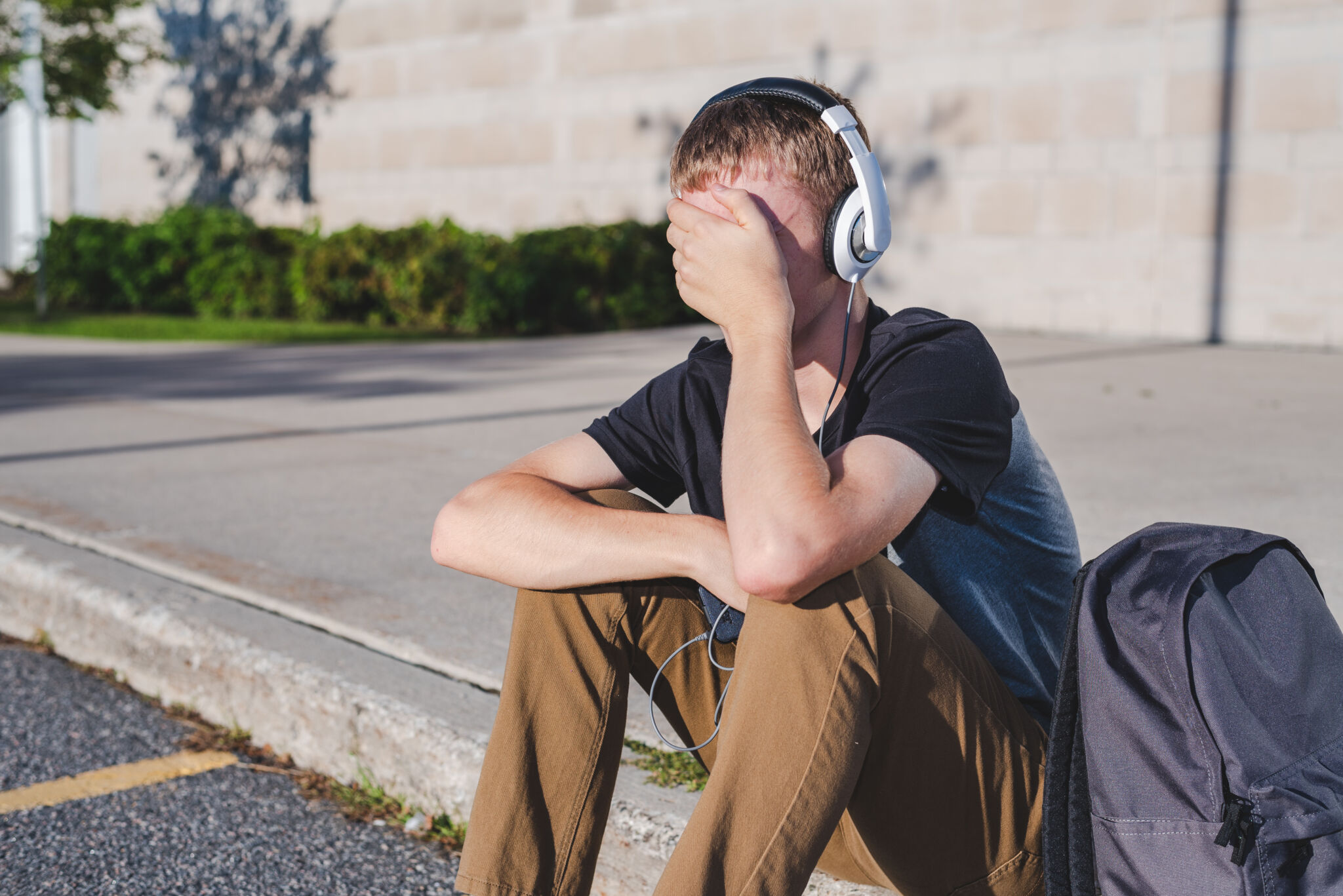
Typical vs. Problematic Anxiety
Feeling anxious about a looming exam, a first date, or starting a new school is a normal part of adolescent development. Such situational anxiety is proportional to the trigger, short-lived, and often resolved once the event has passed. Teens learn to manage these feelings through trial and error – chatting with friends, practising relaxation techniques, or simply putting the experience behind them.
Problematic anxiety, however, is marked by its pervasiveness and persistence. When worry becomes excessive – spilling over into multiple areas of life, lasting for months at a time, and interfering with daily functioning – it crosses into the territory of an anxiety disorder. A teenager who cannot attend class without debilitating fear, who obsesses over minor social missteps for days, or who experiences weekly panic attacks has moved beyond normal nerves.
Unlike typical adolescent stress, problematic anxiety rarely resolves on its own and often co-exists with sleep disturbances, irritability, and declining academic performance. Early screening tools, such as a modified Generalised Anxiety Disorder (GAD-7) questionnaire, can help distinguish between developmentally appropriate worries and clinically significant anxiety that warrants professional intervention.
Common Triggers in Adolescents
Adolescence is a time of rapid change. Academic transitions – whether moving from primary to secondary school or preparing for GCSEs and A-Levels – introduce new social hierarchies, heavier workloads, and heightened expectations, all of which can stoke anxiety. Romantic relationships bring emotional vulnerability, while shifts in body image and peer comparisons can leave teens feeling self-conscious and insecure.
At home, family stressors such as parental conflict, divorce, bereavement, or financial hardship can destabilise a teen’s sense of security. Even positive changes, such as winning a scholarship, moving to a new house, or welcoming a new sibling, can create anxiety by disrupting established routines and roles.
When teens perceive that too much is being asked of them, or that their sense of belonging is threatened, their anxiety alarms may remain in a near-constant state of high alert. Anticipating these common triggers and discussing them openly, whether in family meetings, pastoral school sessions, or youth groups, helps adolescents feel understood and prepares them to deploy coping strategies before distress escalates.
Social Media and Digital Influences
For many teens, social media is their primary means of connection, information, and self-expression. Yet constant exposure to curated images of peers’ highlight-reel lives can fuel unhealthy comparisons and a pervasive sense of inadequacy. The fear of missing out (FOMO) intensifies as teens scroll through real-time updates of parties, events, and accomplishments from which they feel excluded.
Cyberbullying and online harassment add another layer of stress, with teens sometimes facing taunts or threats in channels that operate beyond school hours and parental supervision. Additionally, relentless newsfeeds inundate adolescents with stories of climate crises, pandemics, and political upheaval, fostering a sense of helplessness and doom that can seep into their personal anxieties.
Teaching digital well-being, through media-literacy workshops, screen-time boundaries, and critical discussions of online content, empowers teens to curate a healthier digital diet and reclaim control over their online experiences.
Academic Pressure and Exam Stress
The UK’s examination-driven education system places a heavy burden on students. For many teenagers, exams are not just assessments but symbols of future success or failure, tying self-worth to numerical grades. The resulting pressure can manifest as perfectionism (an inability to accept anything less than top marks), procrastination born of fear of inadequacy, or catastrophic thinking in which a single setback is perceived as life-ruining.
Combating exam stress begins with equipping teens with effective study methodologies. Structured revision timetables that incorporate spaced repetition, active recall, and frequent, timed practice exams build mastery and confidence. Teaching mind-maps or flashcard techniques helps break information into digestible chunks, alleviating the sense of being overwhelmed.
Beyond technique, fostering a growth mindset (i.e., emphasising that intelligence and skills develop through effort) shifts the narrative from fixed ability to continuous improvement. Schools can support this by offering mock exams under low-stakes conditions, providing pastoral check-ins during exam blocks, and facilitating stress-reduction workshops that integrate mindfulness or breathing exercises. When academic pressure is reframed as an opportunity to learn rather than a do-or-die moment, teens can approach exams with greater resilience and less debilitating stress.
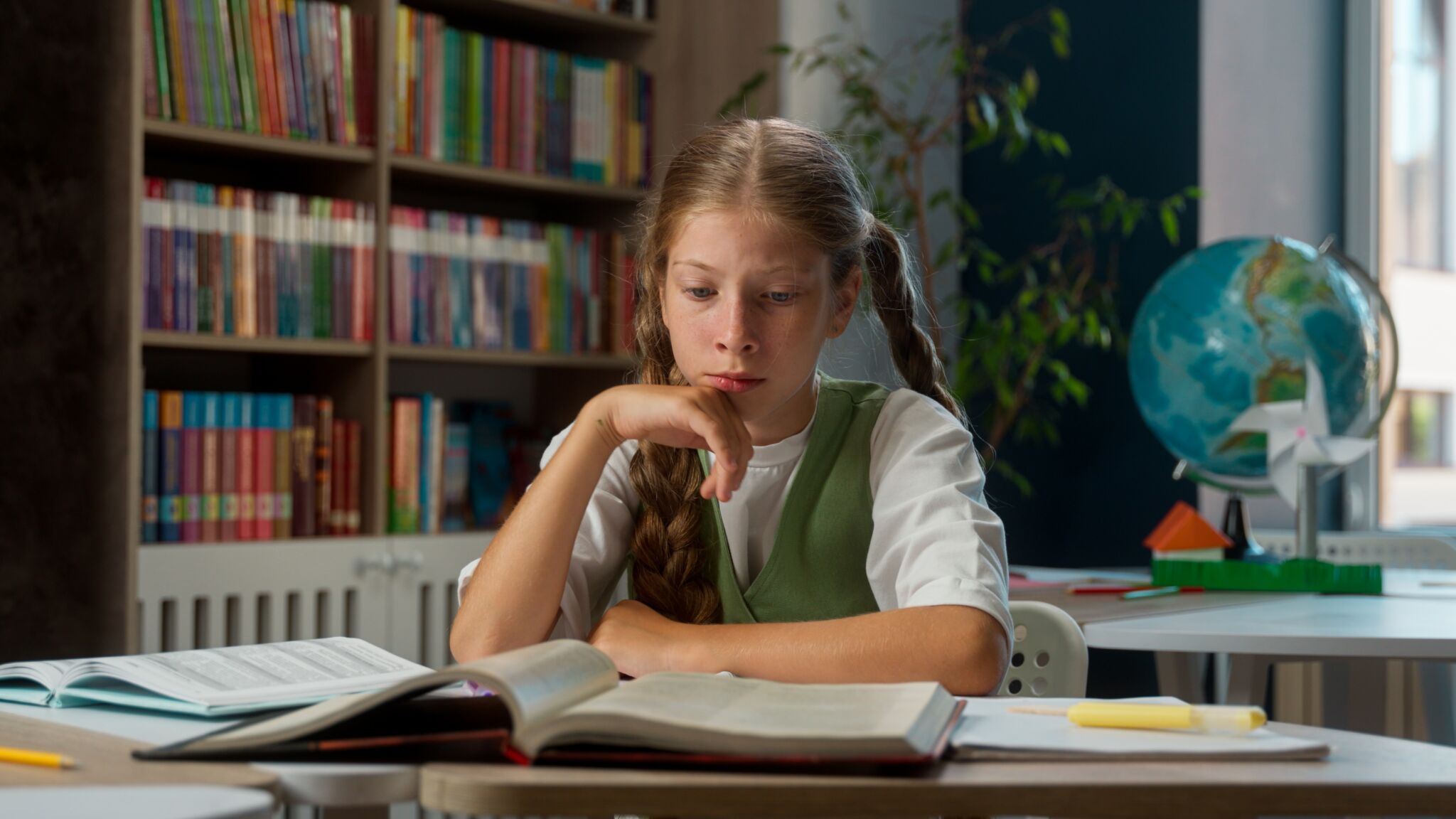
Family Dynamics and Life Changes
A stable, supportive home life is a defence against teen anxiety, yet family environments can also be sources of stress. Parental conflict, inconsistent discipline, and unspoken expectations create an undercurrent of tension that teens may internalise as self-blame or overwhelm. Conversely, families that maintain predictable routines, open lines of communication, and mutual respect provide a secure base from which adolescents can explore their growing independence.
Life transitions – moving house, parental separation, the arrival of a new sibling, or the illness of a loved one – upend comfort zones and can trigger significant anxiety. In such times, maintaining some consistent rituals (shared meals, weekend outings, or regular check-ins) offers teens familiar anchors.
Equally important is involving teens in collaborative problem-solving. Inviting their input on how to adjust family routines or share responsibilities fosters a sense of agency and helps counter feelings of helplessness. When teens feel heard and empowered, they’re more likely to adapt constructively to change.
Parents play a crucial role by modelling healthy coping strategies, such as seeking their own support, practising self-care, and verbalising emotions constructively. This not only shows that anxiety can be managed rather than suppressed, but also normalises open discussion of difficult feelings within the family. Through example, parents teach teens that vulnerability is not weakness and that emotional resilience is something we build together.
Recognising the Signs: Emotional, Behavioural and Physical
Anxiety rarely announces itself explicitly; instead, it weaves into multiple facets of a teen’s life. Emotionally, anxious adolescents may display persistent worry, irritability, or heightened sensitivity to criticism. Behaviourally, they might avoid situations that spark fear, such as skipping school, declining social invitations, or delaying assignments. Physically, anxiety often manifests as headaches, stomach aches, sleep disturbances, or unexplained fatigue. During acute panic episodes, teens may experience trembling, heart palpitations, chest tightness, or a sense of unreality.
Because these signs overlap with many normal teenage experiences (i.e., growth-related aches, mood swings, and academic fatigue), context is key. A teenager who occasionally feels “pained” during exam season is different from one who, over months, consistently reports feeling sick or refuses to attend school. Keeping a symptom diary – logging the frequency, intensity, and circumstances of distress – can help differentiate transient stress from an anxiety pattern that merits professional attention.
When to Seek Help: Warning Indicators
Deciding when typical adolescent worry has escalated into a condition requiring professional intervention can be challenging. However, certain red-flag indicators should prompt swift action:
- Chronicity and Pervasiveness: Anxiety that persists daily for over six months and pervades multiple domains (school, home, social life).
- Functional Impairment: Repeated school absences, withdrawal from friendships, or avoidance of all previously enjoyed activities.
- Physical Decline: Significant weight change, severe insomnia, or ongoing physical complaints, like headaches or stomach aches, without a medical cause.
- Self-Harm or Suicidal Ideation: Any thoughts or behaviours of self-injury, suicide planning, or expressions of hopelessness.
- Substance Misuse: Using alcohol, cannabis, or other substances as a self-medicating attempt to dull anxious feelings.
When these signs emerge, a prompt conversation with the family GP, school counsellor, or local Child and Adolescent Mental Health Services (CAMHS) referral team ensures that the teenager receives an urgent and appropriate assessment.
Talking to Teens About Anxiety
Approaching conversations about anxiety requires patience, empathy, and the right setting. Teens may feel apprehensive about appearing “weak” or being judged, so framing discussions in private, neutral environments, such as during a walk or car journey, can ease pressure and encourage openness. Opening with observations rather than accusations (“I’ve noticed you seem very tense lately, and I’m worried about you”) invites dialogue rather than defensiveness.
Active listening techniques, including maintaining eye contact, mirroring the teen’s language, and summarising their concerns, demonstrate genuine engagement. Validating statements (“It makes sense you’d feel anxious, given how much is on your plate”) reassure teens that their emotions are understandable. Collaboratively exploring coping ideas by asking “What might help you feel less overwhelmed?” empowers adolescents to take ownership of their mental health. Above all, conveying unconditional support and willingness to seek help together reduces isolation and encourages sustained conversation.
Role of Schools and Teachers
Schools are uniquely positioned to identify and support anxious teens. Beyond academic instruction, effective schools embed social-emotional learning (SEL) into their ethos, teaching all students basic mindfulness exercises, stress-management techniques, and emotional literacy within PSHE lessons. Training teachers to recognise subtle signs of anxiety, such as sudden perfectionism, disengagement, or physical complaints, ensures early identification and swift referral to pastoral care.
Many schools now designate “quiet rooms” or “mindfulness corners” where students can briefly step away from the classroom to practice deep breathing or complete a mood-monitoring tool. Peer-support programmes, where older students are trained to listen without judgment and signpost peers to professional help, reduce stigma and widen the safety net. By fostering a whole-school culture that normalises mental-health conversations, educators create an environment where anxious teens feel seen, heard, and supported rather than judged or penalised.
Therapeutic Interventions: CBT, Counselling, and More
When anxiety disrupts daily functioning, professional therapies offer structured pathways to recovery. Cognitive Behavioural Therapy (CBT) remains the gold standard, guiding teens to identify and challenge distorted thinking patterns, develop graded exposure plans for confronting fears, and learn relaxation techniques for managing the physical symptoms of anxiety. Evidence from UK clinical trials shows that brief CBT interventions can yield significant reductions in anxiety symptoms in adolescents.
For teens who struggle with avoidance or rigid emotional responses, Acceptance and Commitment Therapy (ACT) teaches them to observe anxious thoughts without being governed by them, clarifying personal values and encouraging committed action despite discomfort. Interpersonal Therapy (IPT) addresses anxiety rooted in relationship conflicts – teaching communication and problem-solving skills to repair and strengthen social bonds.
Group-based anxiety management courses combine psychoeducation with peer support, fostering a sense of shared experience that counters feelings of isolation. Tailoring the therapeutic approach to each teen’s presentation (whether emotion-focused, behaviour-focused, or relational) maximises engagement and long-term change.
Medication and Teen Mental Health
While psychological therapies are first-line treatments, medication can play a vital supportive role when anxiety is severe. Selective Serotonin Reuptake Inhibitors (SSRIs), notably fluoxetine (the only antidepressant licensed for under-18s in the UK), can reduce anxiety by modulating neurotransmitter levels. Prescribers start with low doses, closely monitoring for side effects (such as gastrointestinal upset, sleep disturbances, or the rare emergence of suicidal thoughts), during the initial six-week adjustment period.
Medication decisions should always occur within a shared-decision framework, ensuring teens and parents understand expected benefits, potential risks, and the importance of combining pharmacotherapy with talking therapies. Specialist CAMHS psychiatrists may consider off-label options, such as sertraline or buspirone, when first-line SSRIs prove insufficient. Robust follow-up protocols – initially fortnightly appointments, then monthly – safeguard adherence and allow timely dose adjustments. When managed attentively, medication can stabilise mood sufficiently to enable full participation in therapeutic interventions, laying the groundwork for sustainable recovery.
Self-Help Techniques for Young People
Empowering teens with self-help tools fosters autonomy and resilience. Key strategies include:
- Short mindfulness practices: Guided breathing exercises, body-scan meditations, or five-minute grounding techniques can be woven into study breaks or pre-sleep routines.
- Cognitive restructuring worksheets: Encourage teens to record anxious thoughts, weigh evidence for and against them, and generate balanced alternatives to build metacognitive awareness over time.
- Behavioural activation. Scheduling enjoyable or mastery-oriented activities breaks cycles of avoidance and rumination by reinforcing positive experiences.
- Relaxation practices. Progressive muscle relaxation or visualisation (imagining a serene beach or forest) helps lower physical symptoms.
- Teen-friendly apps: Tools like ClearFear, Smiling Mind, or MindShift offer modules on coping skills, mood tracking, and on-demand relaxation audios.
Introducing these techniques through one-to-one coaching or school workshops equips teens with a personalised toolkit they can deploy whenever anxiety peaks.
Parental Support Strategies
Parents can play an active role in their teens’ anxiety management by modelling adaptive coping, maintaining open dialogue, and fostering autonomy. Demonstrating healthy responses to stress by using relaxation techniques, seeking support when overwhelmed, shows that anxiety is a universal human experience, not a personal failing. Establishing predictable family routines, such as shared meals and regular check-ins, provides a sense of security that buffers against external stressors.
When teens open up about their worries, parents can respond with empathy – validating their emotions without brushing them aside. A gentle approach, such as “I can see how worried you are about your exams. Would it help to try that breathing exercise together?” acknowledges their feelings while offering a practical way forward.
Working together to brainstorm solutions, rather than simply giving advice, helps teens build confidence in their own problem-solving skills. When parental stress is high, seeking outside support, such as Triple P parenting programmes or family therapy, can help caregivers stay calm and emotionally available, creating a more supportive home environment.

Youth Services and NHS Resources in the UK
The UK offers a diverse array of services to support anxious teens. Here are some examples:
- Child and Adolescent Mental Health Services (CAMHS): Provide tiered interventions, including assessment, brief therapies, and specialist programmes, which are accessible via GP or school referral.
- NHS Talking Therapies (CYP IAPT): Many areas allow self-referral for 13- to 25-year-olds to access guided self-help and CBT.
- Online Counselling Platforms: Kooth and Qwell offer free, anonymous chat-based support outside school hours.
- YoungMinds: Runs a Parent Helpline and offers a wealth of online resources tailored to teenage anxiety and other mental health issues.
- Local Council Youth Services: Frequently hosts mental-health drop-in sessions, peer support groups, and workshops on resilience.
Parents, educators, and teens themselves can locate these services via NHS.uk, local authority websites, or through school pastoral teams, ensuring timely and confidential access to appropriate care.
Building Resilience Through Routine and Activities
Resilience is cultivated through consistent routines, meaningful activities, and supportive relationships. Helping teens establish healthy sleep-wake cycles, balanced nutrition, and regular physical activity helps stabilise mood and cognitive functioning. Encouraging involvement in co-curricular pursuits (such as sports teams, drama clubs, and music ensembles) builds competence, social connectedness, and a sense of purpose beyond academic identity.
Mind-body practices (such as yoga, tai chi, or mindful walking) foster body awareness and teach teens to regulate bodily sensations of anxiety. Volunteering – whether in local community projects or environmental initiatives – expands social networks and adds a sense of purpose through helping others. Goal-setting frameworks that break long-term aspirations into achievable steps reinforce the growth mindset: setbacks become opportunities for learning rather than proof of inadequacy. Over time, these practices form an emotional toolkit that empowers teens to face life’s inevitable challenges with confidence and grace.
Conclusion
Teen anxiety is complex, multifaceted, and deeply personal, but it is also manageable with the right support. By understanding the difference between typical stress and problematic anxiety, recognising early warning signs, and responding with empathy and evidence-based strategies, parents, educators, and young people themselves can take meaningful steps toward recovery and resilience. Whether through school-based interventions, therapeutic support, medication, or self-help tools, there is no one-size-fits-all solution: only a shared commitment to listening, learning, and acting with care.
With open conversations, consistent routines, and access to trusted resources like NHS services and youth programmes, we can create environments where anxious teens feel safe, supported, and empowered to thrive.