
In this article
Why mental health awareness matters in schools
Children and young people’s mental health has become one of the defining challenges of the modern education system.
Schools have always been places where young people acquire academic knowledge and life skills, but they are also powerful social environments that shape emotional development. More and more pupils are now experiencing psychological distress, and many have needs that extend beyond what schools traditionally consider their remit. This shift has made mental health awareness an essential part of education.
Mental health awareness in schools matters because it influences every aspect of a pupil’s experience. It affects how children learn, interact with peers, build resilience and imagine their future. When schools recognise the importance of emotional well-being, they help reduce stigma and provide a foundation for supportive environments in which no child feels isolated or ashamed of their struggles. Without awareness, difficulties often go unrecognised until they escalate into crises that require urgent intervention.
Raising awareness also shapes how staff perceive their role. Historically, teachers were expected to concentrate on academic instruction. Pastoral care was seen as secondary. Today, there is growing recognition that a pupil can’t fully engage in learning if they are struggling emotionally. Academic performance and well-being are interdependent. A child’s grades may fall if they experience anxiety, depression or bullying, and poor academic performance can reinforce negative self-perceptions.
A broader impact beyond individuals
Awareness shouldn’t stop at individual pupils. The whole school community benefits when mental health is part of everyday conversation. Relationships grow stronger, bullying becomes less common, and classrooms feel more inclusive and supportive. This awareness naturally spreads beyond the school gates – pupils who learn to talk openly about how they feel often encourage the same openness at home, helping families challenge stigma together.
The effects can last a lifetime. Young people who experience mentally healthy schools tend to grow into adults who manage stress better, nurture stronger relationships and contribute positively to their communities. Prioritising mental health in education builds stronger people and, in turn, a stronger society.
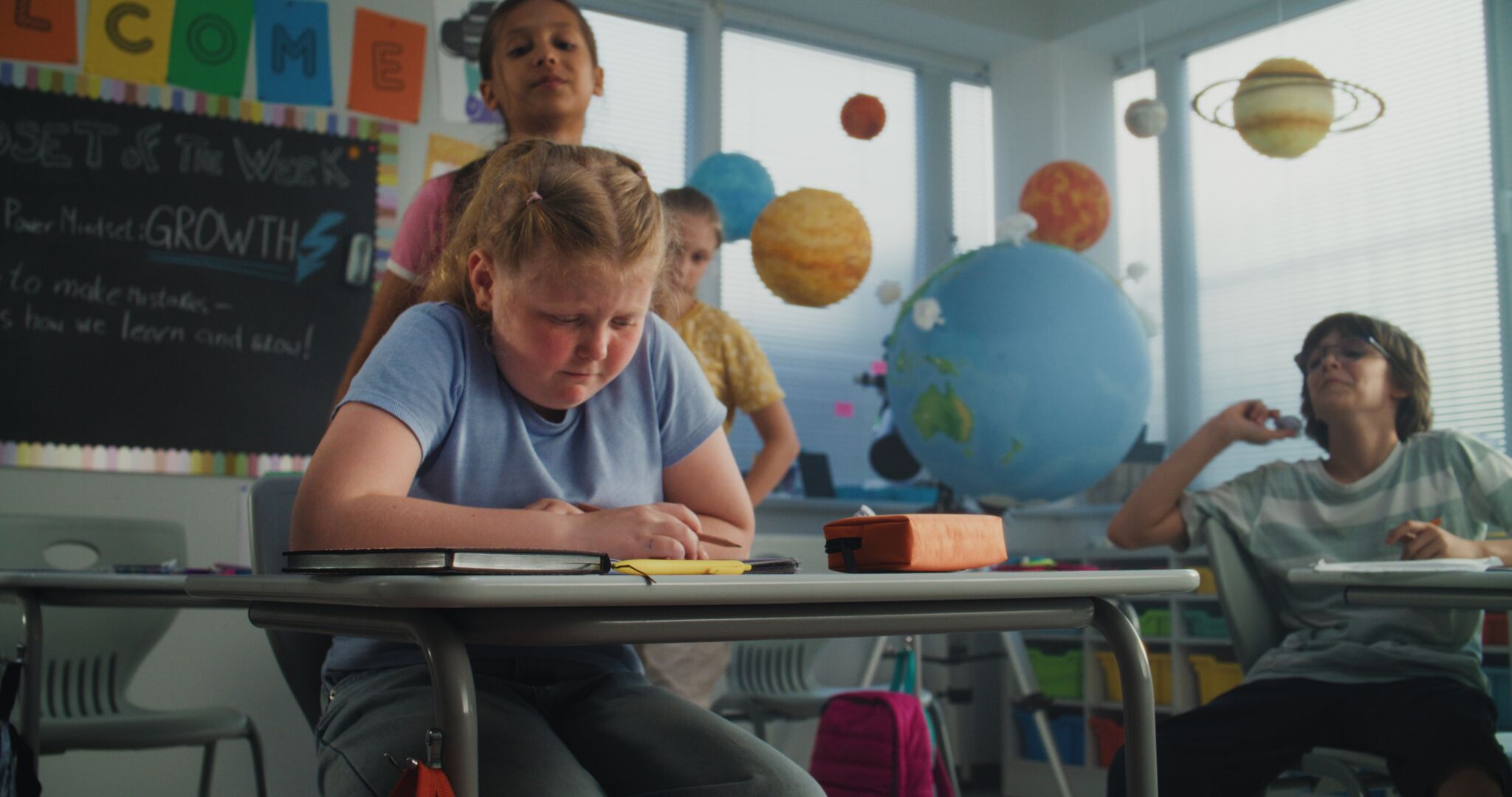
The current state of pupil mental health in the UK
The past two decades have seen a marked increase in reports of mental health difficulties among children and young people in the UK.
The NHS Digital survey on the Mental Health of Children and Young People (2022) revealed that 20.3% of children aged 8–16 were likely to have a mental disorder, while the percentage rose to 23.3% for young people aged 17–19. These figures represent a significant rise compared to previous decades, suggesting that the scale of the challenge is growing.
Here are some of the other statistics we found in the survey:
- Among 8–16-year-olds, rates of probable mental disorder were similar for boys and girls. Among 17–25-year-olds, rates were twice as high for young women compared with young men.
- Children aged 8–16 years with a probable mental disorder were five times more likely than those without one to have been bullied in person (36.9% compared with 7.6%).
- 17–25-year-olds with a probable mental disorder were three times more likely to be unable to afford to take part in activities such as sports, days out or socialising, compared with those unlikely to have a disorder (26.1% versus 8.3%).
Long waiting times for specialist services are compounding the problem. Child and adolescent mental health services (CAMHS) in many areas have waiting lists stretching into months or even years. Some children are turned away because their difficulties are not considered “severe enough”, even though their situation could easily become worse.
In this context, more pressure is being put on schools, which are becoming first responders to mental health crises.
Factors driving mental health concerns
There’s no single cause for the rise in reported mental health issues among young people. It reflects a mix of social, technological, educational and personal pressures that shape how children grow up today.
- Academic pressure – exams, constant assessment and worries about future prospects can create ongoing stress.
- Social media – while apps like Instagram and Snapchat connect young people, they also expose them to comparison, online bullying and harmful content.
- Economic pressures – family financial struggles can affect a child’s sense of safety and stability.
- Family breakdown – divorce, illness or bereavement can unsettle children and make them more vulnerable.
- Global issues – worries about climate change, war and political unrest contribute to anxiety and a sense of helplessness.
The role of schools
Schools can’t replace specialist mental health services. Even so, the school environment is often where problems are first noticed.
Teachers see pupils every day and can pick up on subtle changes in mood, behaviour or performance long before a crisis develops. Classrooms and playgrounds also offer a natural space for conversations about emotions.
Government policy increasingly recognises this role. The Transforming Children and Young People’s Mental Health Green Paper encouraged schools to take a more active role in prevention and early intervention, recommending a designated mental health lead in every school and closer links with NHS services. Progress has been uneven, but one thing is clear – schools are now at the heart of the UK’s efforts to support young people’s mental health.
Identifying common mental health issues in children and teens
Awareness starts when we understand what difficulties look like. Children and young people experience a wide range of mental health challenges, and while some meet the criteria for formal diagnoses, others may present with less defined but equally significant struggles.
Anxiety disorders
Anxiety is one of the most common mental health challenges among children and teenagers.
It can show up in many ways – constant worrying, avoiding certain places or situations, or physical symptoms like stomach aches and headaches. In secondary schools, social anxiety is especially common. Many pupils feel intense fear about speaking up in class, making friends or taking part in social events, even when they want to.
Depression
Depression in young people is often misunderstood as typical moodiness. Yet, if a child is persistently sad and irritable, or they have lost interest in activities that used to make them happy, these signals shouldn’t be brushed aside.
Depression can affect concentration, friendships and everyday life – and in severe cases, it can increase the risk of self-harm or suicidal thoughts.
ADHD and other neurodevelopmental conditions
Attention deficit hyperactivity disorder (ADHD) affects over 600,000 children in the UK. Symptoms include restlessness and impulsivity. Pupils with ADHD often find it difficult to stay focused, which can be particularly challenging in a classroom environment. These behaviours can lead to frustration for teachers and pupils alike if misunderstood.
Autism spectrum conditions also need a thoughtful, flexible approach. Some pupils find noise, crowds or social situations especially hard to manage, and school can feel overwhelming at times. When teachers offer calm spaces, clear routines and genuine understanding, these pupils are more likely to feel settled, included and able to do their best.
Eating disorders
Eating disorders such as anorexia nervosa, bulimia nervosa and binge eating disorder often begin during adolescence, when pressures around body image and identity are at their peak. These illnesses are complex, serious and, in some cases, life-threatening.
Schools are often among the first to spot when something isn’t right – a pupil skipping meals, avoiding lunch with friends or showing sudden changes in weight or exercise habits.
Self-harm
Self-harm is an increasing concern among teens. It can involve cutting, burning or other behaviours that cause injury, often used as a way to manage intense or overwhelming emotions. While it isn’t always linked to suicidal intent, it’s a clear sign that a young person is in significant distress.
Behavioural disorders
Conduct disorder and oppositional defiance disorder involve ongoing patterns of challenging or aggressive behaviour. These behaviours often stem from unmet emotional needs, which can be overlooked if staff focus only on discipline. Understanding what drives the behaviour – fear, frustration or instability – is key to offering the right support.
Sub-clinical distress
Not all difficulties fit neatly into diagnostic categories. A child struggling with exam stress, grief or peer conflict may not have a diagnosable condition but may still need support. Mental health awareness means recognising that distress exists on a spectrum and all pupils deserve to be met with kindness and understanding.

Early intervention: Recognising warning signs
When schools recognise signs of mental health challenges early, the child or young person is more likely to receive meaningful support before the situation escalates. Early intervention improves outcomes and helps build resilience.
Schools are well placed to notice early signs of change, even when they’re easy to overlook. A once-engaged pupil might stop contributing in class or lose interest in activities they used to enjoy. Someone who was always punctual may begin arriving late or missing lessons altogether. A previously confident student could start avoiding friends or seeming anxious in social situations.
Changes in alertness, appetite or appearance – looking constantly tired or neglecting personal care – can also suggest something deeper is wrong. Emotional shifts such as irritability, tearfulness or a sense of hopelessness may appear through outbursts, withdrawal or comments that hint at giving up. These patterns, especially when new or persistent, are valuable early indicators that a young person needs support.
Recognising these patterns requires school staff to be attentive – but the whole school can play a role. That’s why it’s so important to embed mental health awareness in the whole school culture. Many pupils confide in friends first, so peer awareness and kindness matter.
Embedding mental health in the curriculum
Embedding mental health into the curriculum means viewing emotional well-being as an essential part of education.
In England, the statutory Relationships, Sex and Health Education (RSHE) curriculum requires schools to teach about mental well-being, resilience and coping with change – a significant step forward, though many schools take it further.
In primary schools, teachers can nurture emotional literacy through circle time, storybooks with characters talking about their feelings, and classroom discussions around empathy. In secondary schools, well-being is explored more directly in PSHE lessons, with topics such as stress management, relationships and identity.
But embedding well-being goes beyond PSHE. Mental health themes can be integrated across subjects: literature classes can explore characters’ emotions, history lessons can examine how societies have faced adversity, and science can explain the biology of stress, hormones and sleep. Creative arts subjects – such as art, design technology, music, drama and dance – also offer valuable outlets for self-expression and emotional release.
When mental health is woven throughout the curriculum, pupils learn that caring for their minds is as normal as caring for their bodies. Openly discussing emotions and knowing how to seek help when things feel difficult become part of everyday school life. They gain practical skills to recognise feelings, build resilience and support one another. This approach helps to dismantle stigma by making well-being a shared, ongoing conversation.
Whole-school approaches to mental well-being
A whole-school approach recognises that mental health permeates every aspect of school life, from the choices school leaders make to how pupils interact on the playground.
Public Health England’s Whole School Approach framework highlights the importance of leadership, curriculum, ethos, staff development, pupil voice and community partnerships.
Leadership is crucial. When senior leaders prioritise well-being, it shows – in the ways policies are written, in how staff are supported and in the everyday atmosphere pupils experience. A culture that takes mental health seriously grows from consistent actions, openness and care.
Listening to pupils is equally important. Schools that consult pupils on well-being policies are more likely to create strategies that genuinely resonate. Some schools, for example, set up well-being councils alongside student councils, giving pupils a direct role in shaping initiatives.
At its core, a whole-school approach is about belonging. Schools must ensure that all pupils feel represented and respected, regardless of how they identify, their background or their abilities. When children feel they belong, they are more likely to thrive both academically and emotionally.
Creating a safe and supportive school culture
Culture is the foundation on which every policy and lesson rests. When a school’s culture feels safe and supportive, pupils know they belong. They feel heard, and they trust that seeking help won’t lead to judgement.
Anti-bullying work is central to this. Bullying – whether physical, verbal or online – poses one of the greatest risks to pupils’ mental health. Strong policies need to be clear, well communicated and consistently upheld. But policy alone isn’t enough; a culture of kindness, reflected in assemblies, classroom displays and daily interactions, makes the biggest difference.
Inclusivity should sit alongside kindness as a defining value. Pupils from minority ethnic backgrounds, LGBTQ+ young people, and those with disabilities may face extra barriers or stigma. Schools that actively celebrate diversity help to counter this.
The physical environment matters too. Many schools now set aside well-being rooms or quiet spaces where pupils can take a moment to regulate their emotions. Having these rooms sends a powerful message: mental health matters here, and help is always within reach.
Empowering staff through mental health training
Teachers are often the first to notice when a pupil’s behaviour changes. But, without training, they may be unsure how to respond. Giving staff the right knowledge and support through professional development helps them act with confidence and compassion.
Training should cover common mental health conditions and their early warning signs. It should give staff a thorough understanding of their safeguarding duties and how they can best handle disclosures. It should also include strategies for maintaining staff well-being, acknowledging that teacher stress can directly affect pupils.
The Department for Education recommends that every school appoint a designated mental health lead – someone who coordinates provision, liaises with external services, and helps to embed well-being across school life. The role connects staff and pupils with local support networks, ensuring no concern goes unnoticed. With the right training and authority, a mental health lead can help build a culture where emotional health is seen as fundamental to learning.
Peer support, mental health champions and ambassadors
Young people often turn to friends before adults when they’re struggling, so structured peer support harnesses this instinct in a safe and purposeful way. Many schools train pupils as well-being ambassadors or peer mentors – students who offer a listening ear, raise awareness and help shape a more open, supportive culture. Peer-led initiatives can also reduce stigma, as pupils may find it easier to talk to someone their own age.
Designating mental health champions within schools builds on this idea, ensuring there is always a clear point of contact. Champions – whether pupils or staff – provide initial support and guidance on how to access supportive services. Their visibility helps normalise conversations about mental health, showing pupils that it is safe to seek help and that support is part of everyday school life.
Safeguards remain essential. Peer mentors and champions need clear training on boundaries and must know when to escalate concerns to staff. With the right supervision, these roles can be a powerful force for cultural change.
Engaging parents and carers
Mental health support should not end at the school gates. Parents and carers play a vital role in reinforcing strategies and supporting children at home.
According to the Department of Education’s 2018 Mental health and behaviour in schools report, when support for managing behaviour at home runs alongside work with the child in school, outcomes are far more positive. Children are better able to manage emotions, reduce behavioural challenges and make academic progress when home and school efforts align. Many support services now recognise this and offer guidance for families as well as direct help for the child.
Engagement can take many forms – from workshops and information evenings to sharing clear, accessible details about the mental health support available in school. Surveys show that many parents and carers are unaware of what’s on offer, even though this information is often one of the most valuable resources for helping their child. Simple, regular communication can make a real difference in keeping families informed and involved.
Parents should be encouraged to see mental health as part of their child’s education, not something separate or solely managed at home. At the same time, schools should acknowledge that some parents may face their own well-being challenges. Offering empathy, understanding and signposting to appropriate support can strengthen relationships and create a sense of shared care.
It’s also important to respect pupils’ rights to confidentiality. Some young people may not wish their families to be involved in interventions or therapy. In these cases, schools should remember that pupils aged 16 or over can usually consent to their own treatment. Those under 16 may also do so if they are judged to have sufficient maturity and understanding.
Safeguarding policies and mental health
Safeguarding and mental health are closely connected. Children experiencing emotional distress are often more vulnerable to exploitation, neglect or harm. At the same time, safeguarding incidents like abuse, bullying or online exploitation can trigger mental health difficulties.
Schools play a vital role in recognising these overlaps. Safeguarding policies should speak directly to mental health, making it clear that disclosures of self-harm, suicidal thoughts or exploitation require immediate action. Online risks – from grooming and sextortion to cyberbullying – also need to be tackled openly, acknowledging the very real impact they have on pupils’ well-being.
Mental health and academic performance
The link between mental health and academic achievement is well established. Pupils experiencing emotional distress may find it harder to concentrate and absorb information. They may take time off school regularly, or become disengaged and disruptive in the classroom.
Poor mental health is associated with lower attainment, higher exclusion rates and reduced participation in further education. In contrast, schools that prioritise well-being often see stronger academic outcomes. When pupils feel safe, supported and resilient, they are better able to focus and thrive in their learning.
Nurturing good mental health helps students achieve their academic goals.
Addressing stigma and encouraging open conversations
Despite significant progress in making mental health a more mainstream topic in the UK, stigma still stops many pupils from seeking help. Some fear being judged, excluded or viewed as weak if they speak about their struggles. People who have already been bullied may fear that speaking up will make the situation worse.
Schools need to challenge these misconceptions directly. Awareness campaigns, assemblies and classroom discussions can all make a difference. When staff and pupils model openness about emotions, barriers begin to break down. In time, conversations about mental health can become as natural and accepted as those about physical health.

Monitoring, evaluation and feedback mechanisms
To make sure well-being initiatives are effective, schools need to monitor their impact and adjust strategies as needed. Evaluation might include surveys of pupils, staff and parents; analysis of attendance and behaviour data; and regular reviews of safeguarding or counselling records. Feedback should be inclusive, giving both pupils and parents a voice in shaping future actions.
Resources and support from the DfE and NHS
The Department for Education and the NHS provide many helpful resources to support schools. The DfE funds senior mental health lead training and requires mental health education for pupils through RSHE. Guidance documents such as Mental health and behaviour in schools provide practical frameworks that staff can work from.
The NHS provides specialist support through CAMHS and is rolling out Mental Health Support Teams to provide in-school provision. Online resources such as NHS Every Mind Matters also offer accessible advice for young people and families.
By making full use of these resources, schools can strengthen their mental health provision and ensure pupils get the support they need.
Collaborating with external services and charities
Schools cannot meet every mental health need alone. Working with external services ensures pupils can access specialist support when it is needed.
Key partners include CAMHS, school nurses and charities such as YoungMinds, Place2Be, ADHD UK and Anna Freud. Local authorities may also offer early help teams that support families before difficulties escalate.
Strong partnerships rely on clear referral pathways, open communication and a shared understanding of roles. Multi-agency meetings – where schools, health professionals and social services collaborate – are essential for managing more complex cases effectively.