In this article
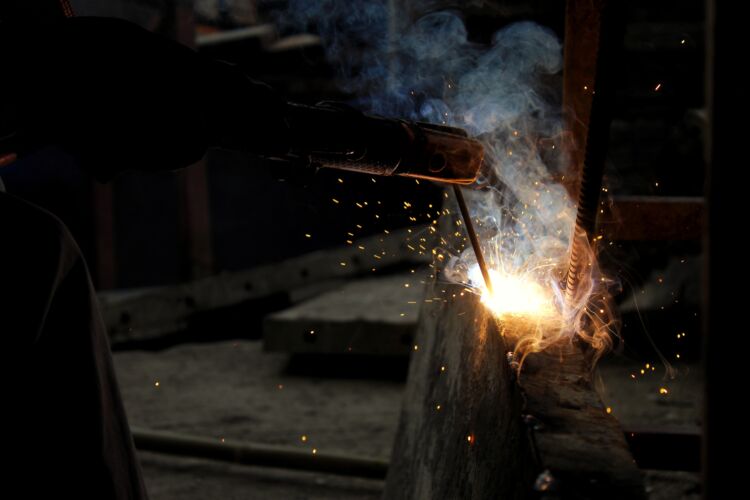
Welding produces invisible clouds of fumes and gases that reach deep into the lungs. These airborne contaminants often go unnoticed, yet they can cause short-term irritation and serious long-term disease. Without proper controls, welders may inhale fine particles carrying toxic metals and gases that inflame the airways, damage lung tissue and increase cancer risk.
Conditions linked to welding fumes include metal fume fever, occupational asthma and chronic obstructive pulmonary disease (COPD). To protect welders, safe practices need to be embedded into everyday work so that hazards are controlled before they cause lasting harm.
This article explains the main respiratory risks of welding and how they arise. It covers the health effects from short-term symptoms to chronic conditions, the specific dangers of metals such as manganese, chromium and nickel, the legal requirements in the UK, and the controls and practices that protect welders, including local exhaust ventilation (LEV), respiratory protective equipment (RPE), training, monitoring and new technology.
Common respiratory hazards generated by welding
Welding generates a range of airborne hazards that vary depending on the base material, consumables and process parameters.
Understanding the full spectrum of hazards is the starting point for effective control. Regular air monitoring, thorough risk assessments and clear identification of high-risk processes – like stainless steel or galvanised steel welding – inform targeted measures that protect respiratory health.
The main risks are:
Metal fume particulates
High-temperature arc welding vaporises metal, forming fume particles less than 1 micrometre (0.001 millimetres) in diameter. These ultrafine particles get past the body’s natural defences and are deposited deep in the lungs. They carry toxic metals such as iron, aluminium, manganese, chromium and nickel.
Gaseous by-products
Ozone, nitrogen oxides (NOX), carbon monoxide (CO) and carbon dioxide (CO2) are common hazards. Ozone forms through ultraviolet radiation from the arc, while nitrogen oxides come from air nitrogen reacting with the arc. These gases can irritate the airways, reduce lung function and, at high levels, cause systemic toxicity.
Surface coatings and contaminants
Welding on painted, galvanised or cadmium-plated materials releases combustion products from coatings and residues. These include zinc oxide, which can cause metal fume fever, and cadmium oxide, a known carcinogen.
To reduce these risks, coatings and contaminants should be stripped from the surface before welding, and welders must confirm what metals and finishes they are working with so that the correct precautions can be applied.
Types of welding and associated fume risks
The fume generation profiles of welding processes differ significantly. Selecting the right welding technique – balancing production needs with the potential for fume minimisation – is key to limiting respiratory exposure. Putting additional controls in place is essential where high hazard profiles can’t be avoided.
Key methods and their associated hazards include:
Shielded metal arc welding
Also called stick welding, shielded metal arc welding (SMAW) uses a flux-covered electrode. The flux coating releases fumes containing fluorides, silicates and heavy metals, causing both particulate and gas-phase exposures.
Gas metal arc welding
Gas metal arc welding (GMAW), also known as MIG welding, uses a continuous wire electrode and shielding gas. On mild steel, it mainly produces iron oxide fumes, while stainless steel wires generate hexavalent chromium and nickel compounds – both classified as carcinogens.
Gas tungsten arc welding
Gas tungsten arc welding (GTAW), also known as TIG welding, provides high-purity welds with minimal filler metal. It generates fewer fumes overall but can produce ozone levels above exposure limits, especially in enclosed spaces.
Flux-core arc welding
Flux-cored arc welding (FCAW) uses a continuously fed tubular wire with flux inside. It produces both flux combustion products and metal vapours, leading to high particulate concentrations. Self-shielded wires also generate carbon monoxide and nitrogen oxides.
Oxy-fuel welding and cutting
Oxy-fuel welding and cutting are less fume-intensive but can still generate carbon monoxide and dust from slag and residues. Extra care is needed during gouging or cutting near welds.
Health effects: Short-term and chronic conditions
Acute and chronic exposure to welding fumes can lead to very different health outcomes, from short-term irritation to permanent lung disease.
Short-term effects
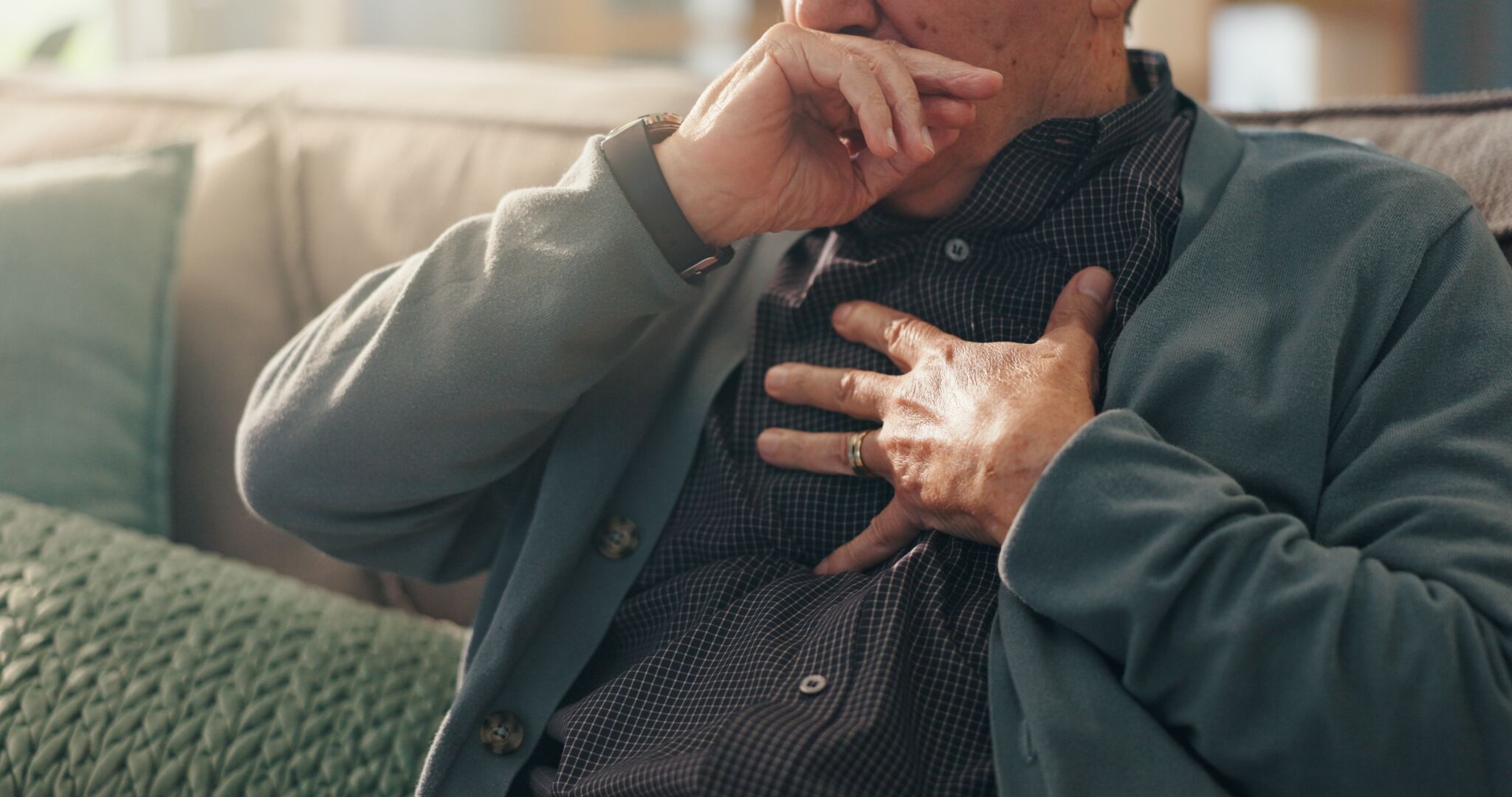
- Metal fume fever – flu-like symptoms such as fever, chills, muscle aches and headache appear several hours after exposure to zinc oxide or copper oxide fumes. Symptoms usually resolve within 24–48 hours, but repeated episodes can cause long-term lung injury.
- Irritant effects – ozone and nitrogen dioxide irritate the airways, causing cough, chest tightness and reduced lung function during and immediately after welding. At high concentrations, they can trigger acute lung inflammation, such as chemical pneumonitis.
Chronic conditions
- Chronic bronchitis and emphysema – prolonged inhalation of particulates and irritant gases accelerates the decline in pulmonary function characteristic of COPD and chronic bronchitis.
- Occupational asthma – sensitising agents in welding consumables, such as platinum salts or epoxy primers, can trigger immunological airway hyperresponsiveness. This leads to dyspnoea (shortness of breath), reversible airflow obstruction and wheezing.
- Interstitial lung disease (pneumoconiosis) – some metal oxides, notably manganese, aluminium and chromium, contribute to pulmonary fibrosis when deposited in the interstitial spaces of the lung. This impairs gas exchange and causes progressive breathlessness.
- Carcinogenic risk – the International Agency for Research on Cancer classifies welding fumes as Group 1 carcinogens, linked to lung cancer and possibly kidney cancer. Hexavalent chromium and nickel compounds generated during stainless steel welding have particularly high carcinogenic potential.
Spotting respiratory problems early makes a real difference. With regular health checks in place, issues can be picked up before they get worse – helping to prevent short-term irritation from turning into serious, long-term illness.
Specific risks from metals like manganese, chromium and nickel
Some alloying elements in welding consumables carry particular risks for the lungs and nervous system.
Manganese
Manganese is present in many steel alloys, and its fumes are toxic to the nervous system. Long-term exposure can lead to manganism, a condition that resembles Parkinson’s disease, with tremors and stiffness among other symptoms. Because manganese can cross the blood–brain barrier, preventing lasting damage involves strict control of fume exposure.
Chromium
Hexavalent chromium (Cr(VI)) forms when stainless steel and chromised metals are welded together. It’s a strong respiratory carcinogen and can also cause nasal ulceration, bronchitis and skin sensitisation. Monitoring urinary chromium levels helps assess the effectiveness of control measures.
Nickel
Nickel-containing alloys release fine oxide particles that lodge in the lungs. These can trigger allergic dermatitis and respiratory sensitisation. Some nickel compounds are also carcinogenic, so welding nickel–chrome alloys calls for the highest level of exposure control.
Managing these risks
For effective management, choose low-alloy consumables where possible. Carry out clear risk assessments for high-risk alloys, and use extraction hoods or enclosures for jobs that produce Cr(VI) and nickel fumes.
Occupational asthma and long-term lung damage
Prolonged exposure to welding fumes can lead to two major outcomes: occupational asthma and long-term lung damage. Without proper management, these conditions can overlap and progress – so early recognition and strong controls are important.
Occupational asthma
Sensitiser-induced asthma can develop when welders are exposed to fumes such as isocyanates from coatings, formaldehyde or certain metal oxides. Symptoms often take time to appear and may include wheezing, chest tightness and breathlessness.
Diagnosis is usually made by occupational health specialists, often through serial peak flow monitoring to check how breathing capacity changes over time. Early referral and identifying the specific trigger are vital, as removing exposure at this stage can prevent lasting damage to the airways.
Long-term lung damage
Over time, fine particles and chemical stress in the lungs can cause long-term breathing problems. Many welders with years of exposure develop reduced lung capacity (measured as FEV₁) and may eventually struggle with severe breathlessness, even at rest.
Scans such as high-resolution CTs can reveal changes like scarring (fibrosis) or hazy “ground-glass” areas, especially in people who have worked with aluminium or manganese fumes.
UK legal requirements and HSE guidance
Employers in the UK are bound by a clear legal framework that aims to protect welders from respiratory hazards.
The main legislation is the Health and Safety at Work etc. Act 1974. It places a duty on employers to safeguard the health, safety and welfare of employees, so far as is reasonably practicable.
Under this Act, the Control of Substances Hazardous to Health Regulations (COSHH) set specific obligations for assessing, preventing and controlling exposure to hazardous substances.
The Health and Safety Executive (HSE) provides detailed guidance on welding hazards, with a focus on risk assessment, fume control and respiratory protection. The HSE’s publication “HSG258: Controlling airborne contaminants at work” sets out best-practice standards for engineering controls and monitoring. This guidance recommends that employers:
- Identify all welding processes and materials used
- Conduct quantitative exposure monitoring where control effectiveness is uncertain
- Prioritise elimination, substitution or enclosure of fume sources
- Implement LEV systems designed and tested in line with HSE guidance
COSHH regulations and fume control responsibilities
Under the COSHH Regulations, employers must systematically manage hazardous substances, including welding fumes. Compliance relies on collaboration between safety professionals, occupational hygienists and line managers. Systems need to adapt as processes and materials change to keep exposure under control.
Key requirements include:
- Risk assessment
- Identify hazardous substances generated by welding consumables and base metals.
- Evaluate control measures and exposure routes such as inhalation and skin contact.
- Prevent or control exposure
- Eliminate hazardous processes where possible or substitute with less hazardous materials.
- Apply engineering controls such as LEV and enclosures to capture fumes at source.
- Provide RPE when engineering controls alone are not enough.
- Health surveillance
- Monitor respiratory health for workers exposed above action levels to detect early signs of occupational asthma, metal fume fever or other conditions.
- Information, instruction, training and supervision
- Train welders to understand the risks, use LEV and RPE correctly, and follow maintenance and testing procedures.
- Emergency procedures
- Prepare for accidental releases of gases or high fume concentrations with evacuation protocols and first-aid measures for asphyxiation or acute irritation.
Local exhaust ventilation systems explained
Local exhaust ventilation is the primary engineering control for capturing welding fumes at source. An effective system includes:
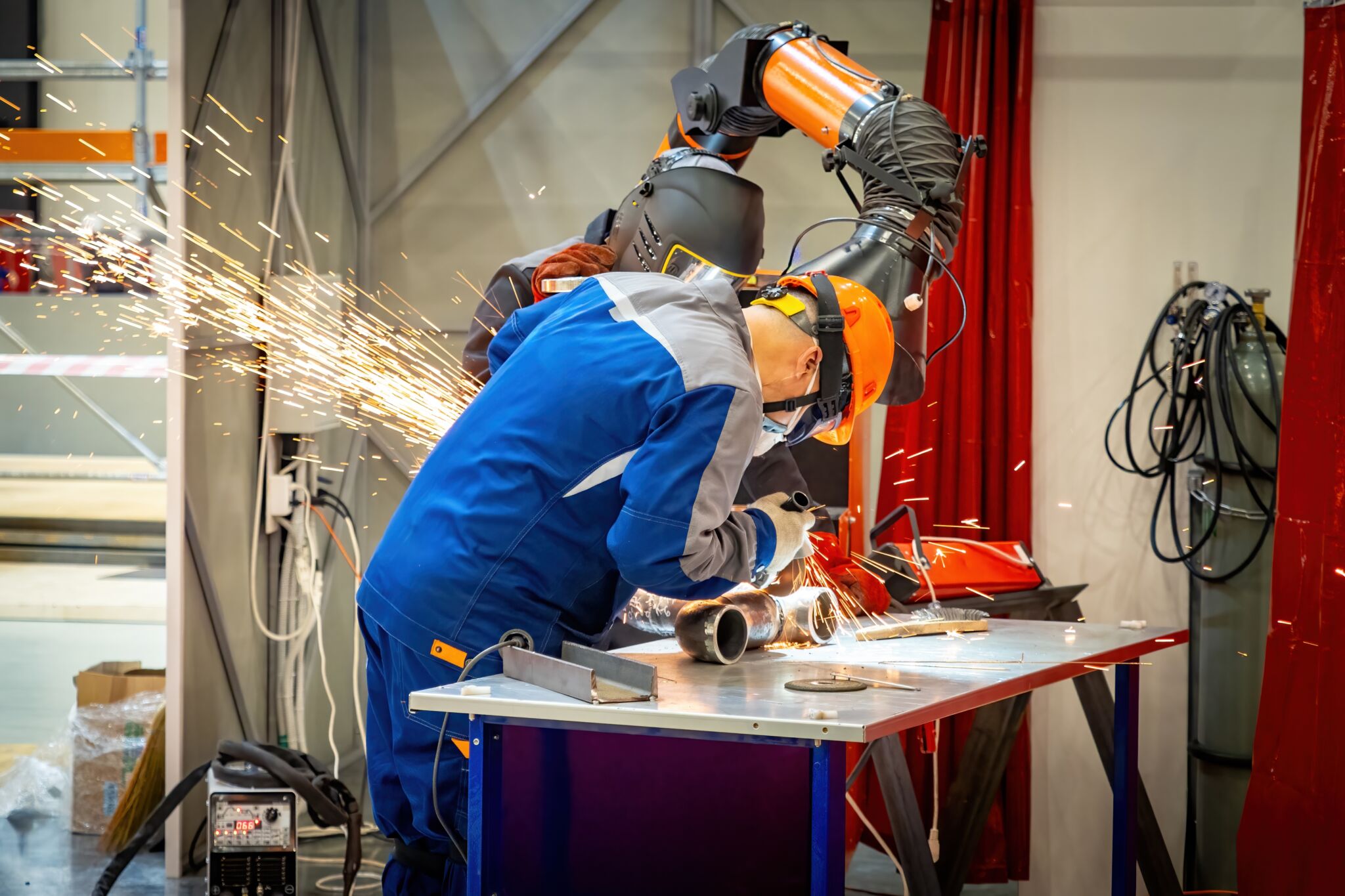
- Hood or capture device – positioned as close as possible to the welding arc or fume plume. Designs include down-draught benches, mobile fume arms and enclosed booths.
- Ducting and airflow – smooth, sealed ductwork minimises turbulence and particulate build-up, while adequate airflow carries contaminants to the filtration unit.
- Filtration and extraction unit – pre-filters and HEPA or ULPA filters remove ultrafine particulates and gases. Filters must be changed regularly.
- Fan and stack – the fan provides enough pressure to overcome system resistance, and the stack discharges air safely above worker breathing zones where atmospheric release is permitted.
Designing LEV requires specialist expertise. Systems should be installed, commissioned and checked at least once every 14 months by a qualified engineer in line with HSE guidance. Users also need training so that they can position hoods correctly and spot system failures, like reduced airflow or clogged filters.
Selecting appropriate respiratory protective equipment
When local exhaust ventilation or enclosure can’t fully control fume emissions, respiratory protective equipment is a critical backup that helps keep workers safe.
Employers should consider the following when choosing RPE:
- Type and concentration of contaminants – welding processes that generate metal particulates require particulate filters rated P3. Gas-phase hazards such as O3 or NOX need combined cartridge respirators with the correct chemical filters.
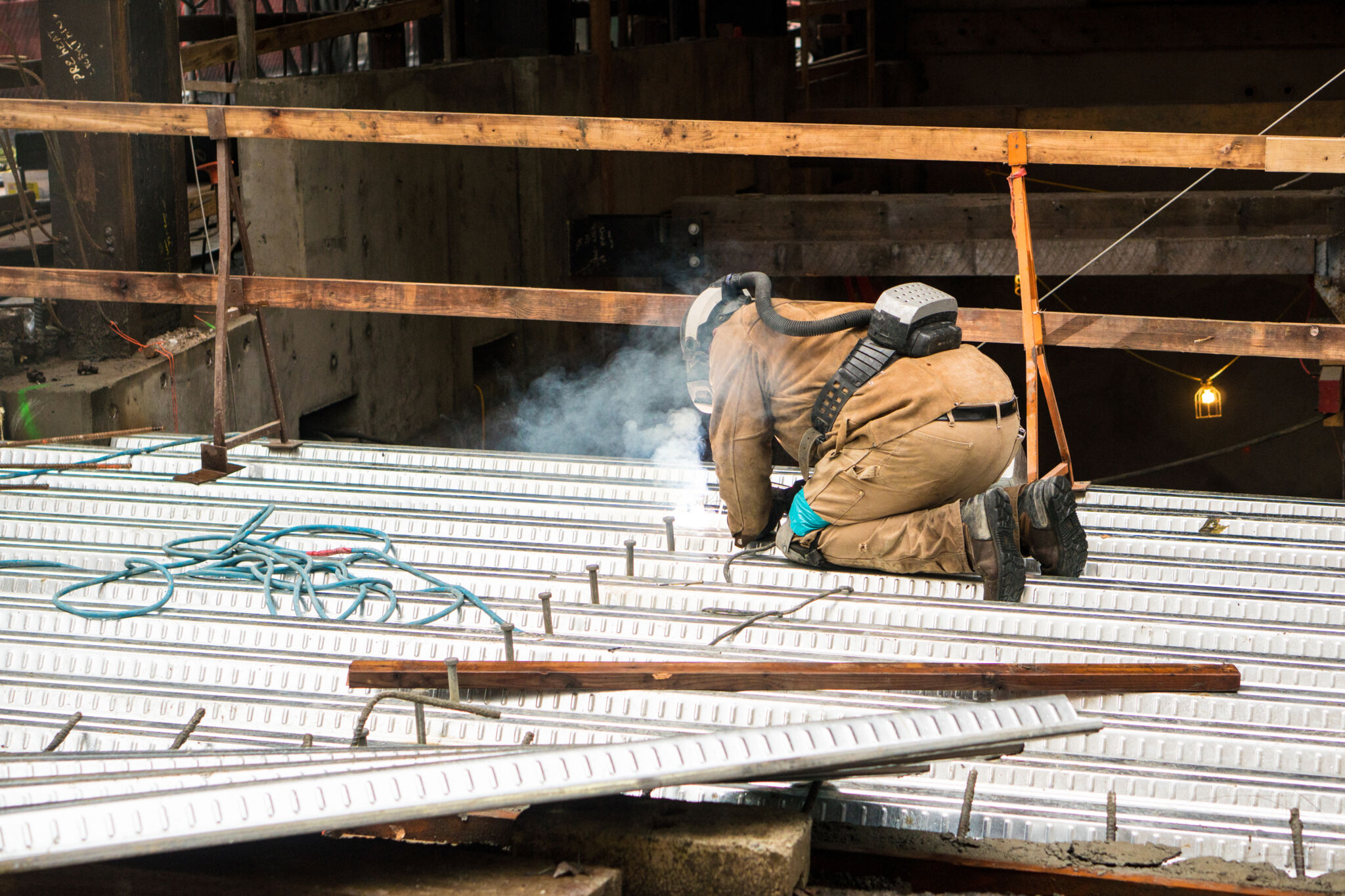
- Work conditions and duration – for long tasks in confined spaces, powered air-purifying respirators (PAPR) with loose-fitting hoods give comfort and steady airflow. For shorter or intermittent jobs, half-mask or full-face masks may be enough.
- Worker fit and compatibility – facial hair, glasses and headwear can compromise the seal of tight-fitting masks. In these cases, PAPR systems or supplied-air respirators may be better options.
Employers should refer to the HSE’s RPE guidance to ensure that equipment matches the specific risks identified. Factors such as fit testing, assigned protection factors (APFs) and filter breakthrough times help determine which respirator offers enough protection for the task.
RPE: Fit testing and maintenance
When using respirators, there needs to be a tight seal between the mask and the wearer’s face.
Quantitative fit testing, carried out by accredited personnel, measures inward leakage and assigns a fit factor to each make and model. Fit testing should take place:
- Before RPE is used for the first time, to ensure the model provides a safe fit
- Annually, or more often if facial changes occur (e.g., after weight fluctuation or dental work)
- After any adjustments or repairs
Maintaining RPE involves cleaning reusable masks after each use, replacing filters and cartridges according to the manufacturer’s schedule or when airflow resistance increases, and inspecting straps and seals for wear. Clear logbooks and tagging systems ensure that RPE is only kept in service when it’s in optimal condition.
Regular training in donning, doffing and user checks enables welders to identify faulty RPE before exposure. Support from respiratory protection specialists – for example, those accredited under the Fit2Fit scheme – helps organisations maintain consistently high standards of protection for their workers.
Monitoring airborne contaminants and exposure levels
Air monitoring is the only way to know whether welders are really protected. It shows how well controls are working and whether extra protection is needed. The main techniques include:
- Personal sampling – workers wear filter cassettes near their breathing zone during representative welding tasks. Lab analysis measures metal particulate concentrations against workplace exposure limits (WELs).
- Static sampling – fixed monitors assess fume and gas levels in welding bays or booths, highlighting hotspots where local controls may be insufficient.
- Real-time instruments – portable devices measure O3, NOX and particulate counts. They give instant feedback on process changes, failed extraction or accidental high exposures.
Monitoring schedules are guided by risk assessments and past results. If exposure levels rise above 50% of the WEL, controls must be reviewed and, if needed, upgraded through stronger ventilation or more protective RPE. Having accurate exposure data supports sound decisions and demonstrates compliance with COSHH.
Training workers on respiratory safety
Welders need clear, practical instruction so they know the risks and how to protect themselves. Training should cover:
- The nature and health effects of welding fumes and gases – understanding what they are exposed to and why it matters
- The hierarchy of controls – with emphasis on eliminating hazards and using engineering solutions before relying on RPE
- Operation and limitations of LEV systems – including correct hood positioning and how to spot reduced airflow
- Selection, fitting and maintenance of RPE – supported by hands-on practice and competency checks
- Emergency procedures – for gas leaks or LEV failures
Interactive methods like demonstrations, video simulations and peer mentoring improve retention and encourage safe habits. Refresher sessions after process changes, or at least once a year, reinforce the key messages and keep welders engaged.
Health surveillance and record-keeping
Under COSHH, health surveillance is required if fume exposure is likely to cause adverse health effects. A typical programme includes:
- Baseline assessment – medical history, lung function tests (spirometry) and symptom questionnaires before exposure begins.
- Periodic reviews – regular spirometry and occupational health checks, with frequency set by risk level, to catch declining lung function or asthma-like symptoms early.
- Maintaining records – detailed records of findings, exposure data and control measures, kept for at least 40 years as required by law, support trend analysis and allow early intervention.
Quick referral to occupational health professionals helps workers get the advice and adjustments they need, whether that means treatment, changes to their role or redeployment.
Confined space welding: extra precautions
Welding in confined spaces such as tanks, silos or excavations greatly increases respiratory risk due to poor ventilation and gas build-up.
Special measures include:
- Atmospheric testing – continuous monitoring of oxygen, flammable gases and contaminants such as CO and O3, using calibrated multi-gas detectors.
- Ventilation enhancement – high-capacity extraction systems or clean-air devices to keep breathing zones safe. Supplied-air respirators may be required if LEV alone is not enough.
- Permit-to-work systems – formal authorisation with risk assessment, rescue plans and energy isolation before entry.
- Emergency preparedness – standby personnel with rescue equipment such as tripod, winch and breathing apparatus to ensure quick escape if conditions worsen.
Because of the combined dangers of suffocation, toxic gas and physical entrapment, confined space welding demands rigorous planning, training and supervision.
Emerging technology in fume extraction
New technology is making fume control easier and more efficient.
- Smart LEV systems – sensors track fume levels in real time and adjust fan speeds automatically, with remote diagnostics and filter-change alerts.
- Wearable air purifiers – compact PAPR units with battery packs that supply clean air directly to the hood, reducing fatigue compared with traditional supplied-air systems.
- Robotic welding cells with built-in extraction – enclosed robotic arms that isolate operators completely from fume exposure.
- Advanced filter media – nanofibre and electrostatically charged filters that capture more particles without reducing airflow, extending filter life.
Adoption depends on feasibility and cost, but investment appears to be valuable: early users report lower exposure, easier maintenance and fewer health complaints.