In this article
Effective pest management is a cornerstone of public health, economic resilience and environmental stewardship in the UK.
From preventing the spread of disease to protecting food supplies and preserving biodiversity, the legal framework governing pest control sets out the responsibilities of businesses, landowners and professional operators. This framework is dynamic, reflecting advances in scientific understanding, evolving societal expectations regarding animal welfare and shifting patterns of pest behaviour driven by things like climate change and urbanisation.
Technical expertise alongside a thorough understanding of the statutes, regulations and codes of practice that underpin legal compliance are key to navigating this complex legislation.
This article provides an in-depth run-through of the following areas:
- The scope of UK pest control legislation
- How the legislation is applied in critical sectors, such as food production
- The consequences of non-compliance
- The relevance of the Prevention of Damage by Pests Act 1949
- Emerging challenges in pest control
What is pest control?
Pest control encompasses the strategies and techniques employed to prevent, manage or eradicate organisms that threaten human health, property, agriculture or the natural environment.
So, what do we mean by “pests”? Well, we don’t just mean rats and mice. Pests may include other rodents, insects (such as cockroaches, flies and stored-product beetles), birds (including pigeons and seagulls) and other wildlife (for example, grey squirrels or invasive mink). Left unchecked, these species can transmit pathogens, damage buildings and infrastructure, spoil foodstuffs and disrupt ecosystems.
Definition and scope
The essence of pest control is restoring and maintaining an acceptable balance between human activities and wildlife. We can achieve this balance by assessing the risk posed by a given organism, selecting the most appropriate control methods and implementing interventions in a way that minimises unintended harm – both to the target animal and other flora and fauna.
The scope of pest control spans residential, commercial and agricultural settings.
- Private homes rely on routine inspections and sealing of entry points.
- Warehouses and processing plants implement scheduled treatments and monitoring.
- Farms adopt land management and biological controls.
Common types of pests
Rodents are among the most notorious pests in the UK, with Rattus norvegicus (the brown rat) and Mus musculus (the house mouse) thriving in urban environments. Their gnawing behaviour damages buildings and wiring, while their waste poses the risk of Salmonella and Leptospira transmission.
Insect pests vary by setting. Stored-product pests like the flour beetle and grain weevil invade mills and bakeries, whereas pharaoh ants or German cockroaches inhabit hospitals and food outlets, carrying bacteria on their bodies.
Bird pests, particularly feral pigeons, not only create fouling hazards in city centres but can also exacerbate the spread of histoplasmosis (a fungal infection) in enclosed spaces.
Methods of pest control
Control methods broadly fall into four categories:
- Physical barriers and trapping – securing premises against pest entry, installing door brushes and window screens, and deploying mechanical traps for rodents
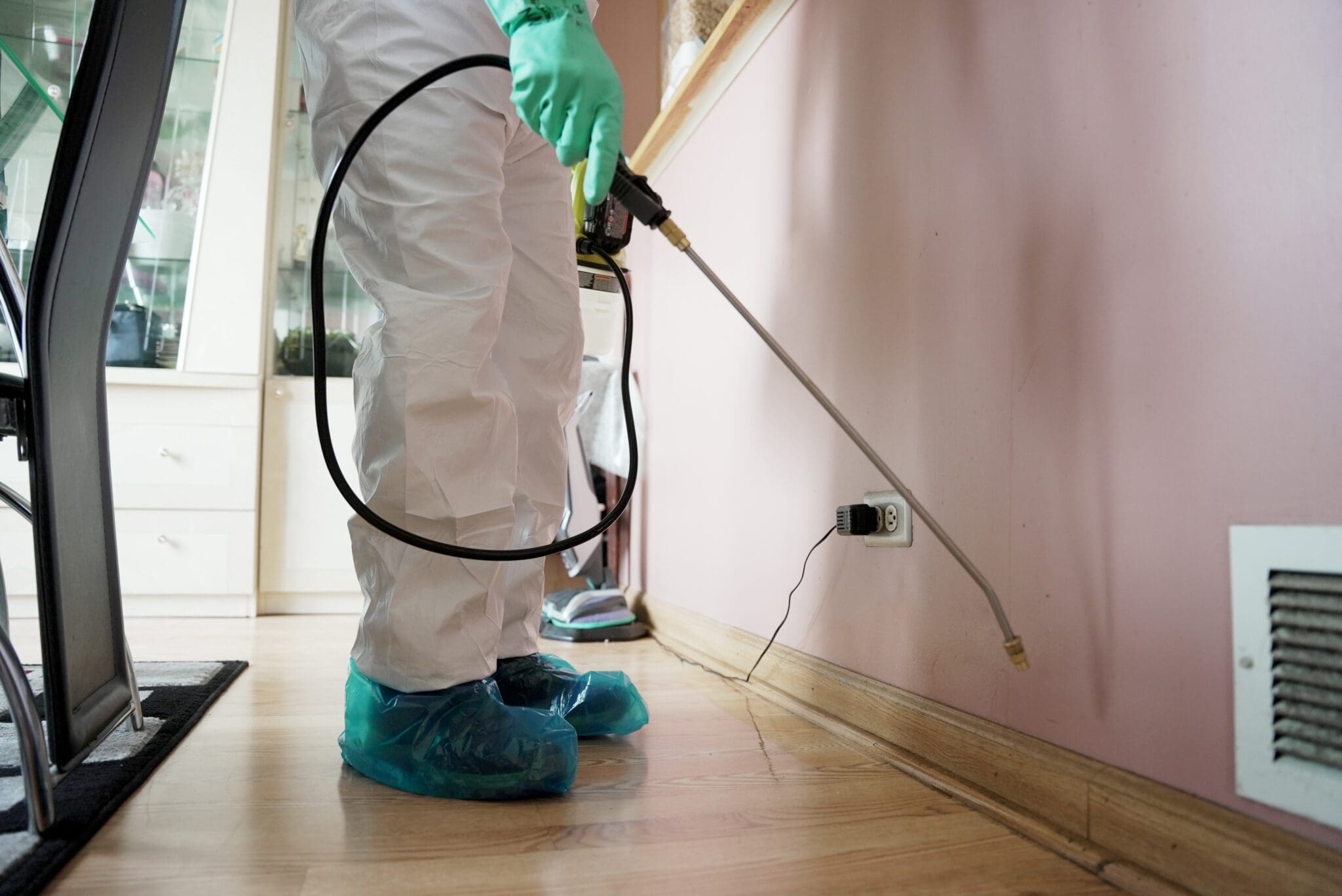
- Chemical treatments – using approved rodenticides, insecticides or avicides in bait stations, sprays or aerosols
- Biological controls – employing natural predators or microbial agents; for instance, predatory beetles may suppress weevil populations in grain stores
- Cultural and environmental management – sanitation, waste management and habitat modification, such as eliminating standing water to deter mosquitoes or removing debris piles that shelter rodents
Integrated pest management
Integrated pest management (IPM) combines monitoring, threshold-based interventions and evaluation to reduce reliance on chemicals.
It begins with a thorough site survey to identify pest species, population densities and conducive conditions. Action thresholds – predetermined levels of pest activity at which control measures become necessary – tell pest controllers when they need to treat the area. They prioritise non-chemical solutions (exclusion, trapping) and use chemical methods sparingly. These are selected for specificity and minimal environmental impact.
Post-treatment monitoring and record-keeping ensure continuous improvement and inform future strategies. This holistic approach aligns with sustainable use policies and helps delay the development of resistance.
Legislation that applies to pest control
The UK’s pest control framework is underpinned by multiple acts and regulations addressing public health, environmental protection, chemical safety and animal welfare. Professionals and duty holders must navigate legislation to ensure their approaches are effective and compliant.
The Prevention of Damage by Pest Act 1949
One of the earliest pieces of legislation dedicated to rodent control, the Prevention of Damage by Pests Act 1949 (12, 13 & 14 Geo. 6 c. 55), gives local councils power and requires people who occupy land or buildings to prevent and control rodent infestations.
Historical context and purpose
Post-war Britain faced significant challenges in protecting food supplies and limiting agricultural losses. The 1949 Act recognised the public interest in eradicating rats and mice, obliging local authorities to take action and placing the burden of proof and cost on property occupiers.
More recent laws have expanded the legal landscape, but the core principles of the Act are still relevant today.
Key provisions and abatement notices
Under Section 1, local authorities must keep their districts reasonably free from rats and mice. Section 4 grants authorities power to serve Pest Abatement Notices on owners or occupiers, specifying remedial actions. These might include proofing buildings, removing refuse or applying approved rodenticides.
Failure to comply constitutes an offence, enabling authorities to carry out work in default and recover the costs if they go unpaid.
Role of local authorities
Environmental health officers routinely inspect properties where there is evidence of infestation, whether it’s brought to light by complaints or proactive surveys.
When they issue an abatement notice, officers set a deadline for compliance. They may revisit the premises to assess progress. Persistent non-compliance triggers direct intervention: contractors undertake the required work and place a charge on the property if costs remain unpaid.
Practical implementation
Modern application of the 1949 Act dovetails with COSHH, pesticide regulation and animal welfare obligations.
When authorities use rodenticides, they must use approved products, position bait stations safely and record applications. They must also inspect live-capture devices daily and ensure pests are killed humanely.
Detailed records of evidence, notices served and actions taken form the legal basis for cost recovery and, if necessary, prosecution.
Ongoing relevance
The Prevention of Damage by Pests Act is still vital in managing urban rodent populations, despite its age. It’s particularly relevant in areas where private responsibility lapses.
The Act establishes that pest control is a shared duty. While local authorities have enforcement powers, occupiers are ultimately responsible for keeping rodents out of their premises.
Health and Safety at Work etc. Act 1974 and COSHH
Under the Health and Safety at Work etc. Act 1974, employers have a duty to safeguard their workforce and the public from risks arising from work activities.
Pest control often involves handling hazardous substances.
The Control of Substances Hazardous to Health Regulations 2002 (COSHH) requires employers to assess risks associated with biocides and rodenticides, implement measures to control exposure, train operatives and carry out health surveillance where necessary. Detailed COSHH assessments minimise risks of dermal, inhalation or ingestion exposure among operatives and occupants.
Pesticide and biocide regulation
A tiered approval process governs the use of chemical control. The Biocidal Products Regulation (EU 528/2012), retained in UK law after Brexit, requires active substances and formulated products to undergo exhaustive evaluations to determine efficacy and safety before authorisation.
Separately, the Plant Protection Products Regulations 2011 form a piece of legislation that regulates pesticides used in agricultural and amenity contexts. It sets conditions for marketing, labelling, packaging and maximum residue levels.
The Official Controls (Plant Protection Products) Regulations 2020 legislation grants enforcement authorities powers to inspect premises, take samples and seize illegal products.
Wildlife protection
The Wildlife and Countryside Act 1981 categorises species into “schedules” with varying levels of protection.
Certain birds and mammals are safeguarded from killing, injury or disturbance except under licence. Pest controllers working in rural or semi-natural settings must understand and observe these schedules, secure the appropriate licences from Natural England (or the devolved bodies) and follow prescribed methods. This ensures that any species not being targeted remains unharmed.
Animal welfare
The Animal Welfare Act 2006 established that any person who is responsible for an animal, whether wild or captive, has a duty of care. Even pest species like rodents should have their welfare needs met when captured or killed.
Humane dispatch techniques and regular inspection of live-capture devices are mandatory. Industry guidance from bodies like the Royal Society for the Prevention of Cruelty to Animals (RSPCA) provides practical protocols for keeping suffering to a minimum.
Environmental protection and waste management
Under the Environmental Protection Act 1990, pesticide residues, contaminated materials and unused chemicals must be classified, stored, transported and disposed of in accordance with hazardous waste regulations.
Pest control businesses must register as waste carriers if they transport soil or other contaminated material and use authorised hazardous waste transfer notes. According to pollution prevention guidelines, storage tanks should be bunded (surrounded by a barrier to catch leaks or spills) and nothing should be discharged into streams or rivers. This helps prevent wider ecological harm.
Agricultural and plant health legislation
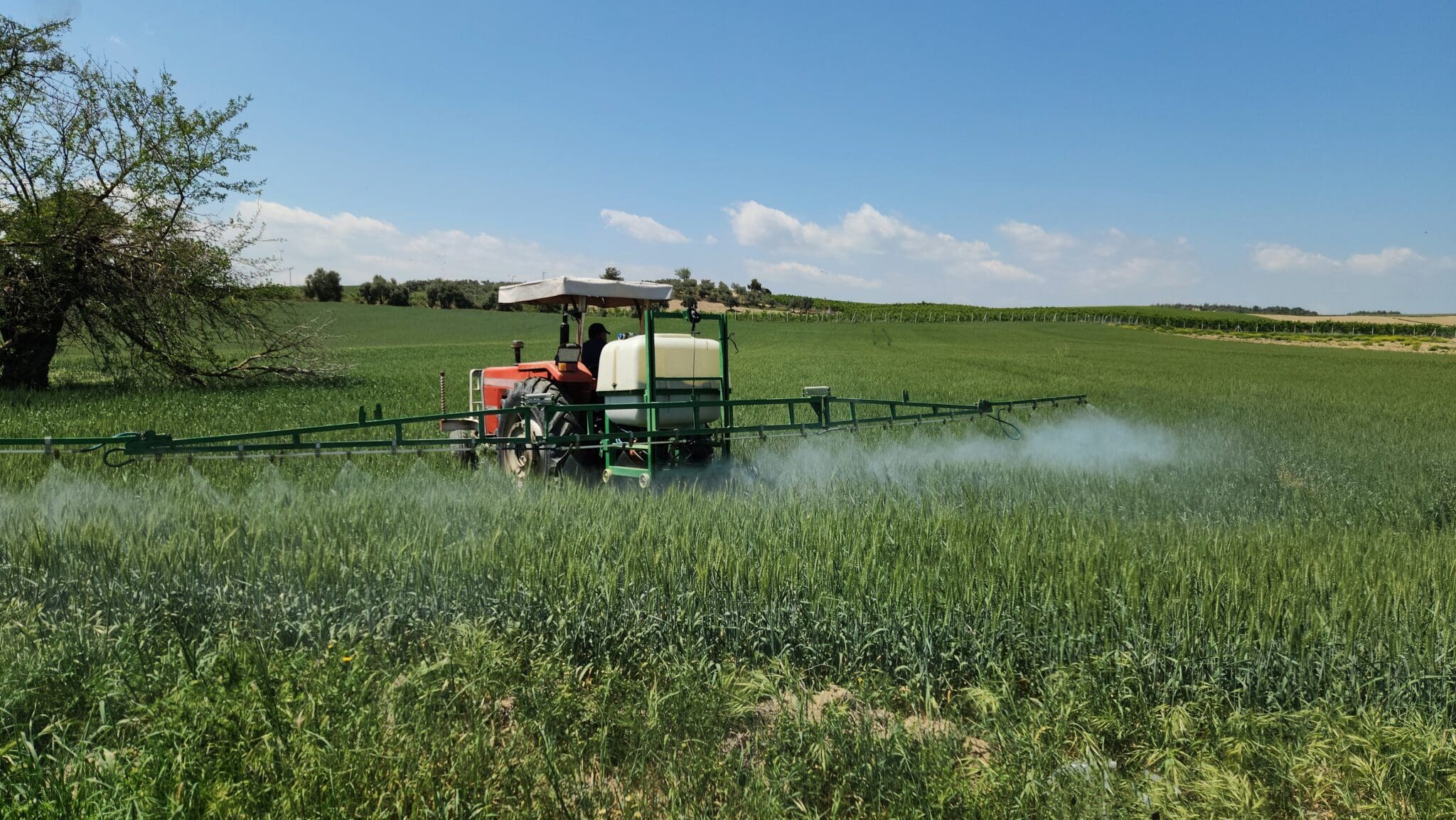
The Food and Environment Protection Act 1985 and Control of Pesticides Regulations 1986 regulate pesticide application in non-agricultural and aquatic environments, ensuring that products don’t compromise water quality or harm non-target organisms.
Pest control isn’t just for animals. It also tackles invasive flora. For farmland, the Weeds Act 1959 obliges landowners to control damaging weeds like ragwort, and the Plant Health (Phytosanitary Conditions) Regulations legislation guards against the introduction of quarantine pests.
Summary of legal obligations
In practice, professional pest controllers and duty holders must ensure that:
- All chemical treatments are authorised and applied by certified operatives.
- COSHH assessments and health surveillance are in place for hazardous substances.
- Wildlife and animal welfare protections are observed, with licences obtained where necessary.
- Records of treatments, monitoring and waste disposal are maintained.
- Structures and sites meet standards designed to prevent ingress and harbourage (pests getting in and finding places to shelter).
Pest control regulations in food production
Unsurprisingly, pest control is a legal imperative in the food sector.
Contamination risks from pests can cause foodborne illness outbreaks and product recalls, putting a company’s reputation and customer satisfaction on the line.
Legal framework for food safety
The Food Safety Act 1990 establishes a general duty for food business operators to ensure the food they sell is safe, of the nature, substance and quality demanded, and labelled accurately.
The Food Hygiene (England) Regulations 2013 implement EU Regulation 852/2004, requiring food businesses to adopt Hazard Analysis and Critical Control Point (HACCP)-based systems and maintain premises in a condition that prevents pest access.
HACCP and prerequisite programmes
Pest control is a core component of prerequisite programmes underpinning HACCP. Under this approach, businesses identify all potential hazards – including physical contamination by insects or rodent droppings – and determine critical control points where intervention is essential.
Monitoring protocols, corrective actions and record-keeping for pest sightings, trap inspections and chemical applications must be documented. Comprehensive pest control records demonstrate due diligence and stand you in good stead during third-party audits (for example, BRC or SALSA certification).
Structural and procedural requirements
Food premises must be constructed and maintained to deter pests. For example:
- Exterior doors and windows should be self-closing and fitted with brushes or seals.
- Drains, air inlets and loft spaces require vermin-proof grilles.
- Waste storage areas must be secured and cleaned regularly to remove anything that attracts pests.
- Staff training in hygiene practices and pest awareness ensures early detection and swift action.
Sector-specific considerations
Here are some examples of how different sectors might tackle the distinct pest challenges they face:
- Bakeries and grain mills focus on stored-product pests – maintaining sealed silos, rotating stock and using pheromone traps.
- Meat processing plants vigilantly guard against rodents by locating bait stations near loading bays and conducting daily perimeter inspections.
- Restaurants and cafes implement fly control measures such as fly screens at service counters and electronic fly-killers in non-food zones.
Each sector tailors monitoring frequencies and control tactics depending on the nature of its operations and the pests most likely to pose a threat.
Documentation, auditing and ratings
Alongside internal HACCP records, food businesses in England participate in the Food Hygiene Rating Scheme.
Inspectors assess pest control as a key criterion – evidence of live or dead pests, droppings or inadequate record-keeping can result in a low rating (0–2), deterring customers and inviting further scrutiny.
High-risk establishments may also be subject to unannounced follow-up inspections, making constant vigilance a must.

Consequences of non-compliance
A business that fails to comply with pest control legislation and regulations could find itself facing a spectrum of repercussions ranging from formal notices to criminal prosecution – not to mention lasting damage to commercial viability.
Regulatory enforcement and sanctions
Multiple agencies share enforcement duties:
- Local authority environmental health teams inspect food premises, issue improvement or prohibition notices and seize contaminated stock.
- The Health and Safety Executive (HSE) pursues breaches of the Health and Safety at Work Act and COSHH, issuing improvement or prohibition notices and, where appropriate, prosecuting firms or individuals.
- Defra and its counterparts in Scotland, Wales and Northern Ireland enforce pesticide regulations, ensuring products are authorised and correctly applied.
Criminal and civil penalties
Under the Food Safety Act 1990, offences may result in unlimited fines and imprisonment for up to two years. Similar penalties apply under environmental legislation for the illegal disposal of pesticide waste.
Additionally, those who ignore abatement notices served under the Prevention of Damage by Pests Act 1949 may face prosecution or cost recovery proceedings, leading to charges against their property.
Financial and reputational impact
A documented pest infestation can quickly derail a business and make it unviable. In extreme cases, persistent non-compliance can cause businesses to close permanently.
Here are some of the potential impacts:
- If insurers deem premises high-risk, the business’s insurance premiums could surge and its cover may be withdrawn.
- Lost revenue from forced closures or product recalls may run into tens or hundreds of thousands of pounds.
- In the digital age, negative customer reviews and social media posts spread rapidly, potentially irreparably harming a brand’s reputation.
Case studies
In 2021, a supermarket in the Midlands was forced to pay over £500,000 after its owners were found guilty of offences under the Food Safety and Hygiene (England) Regulations 2013 and the Health & Safety at Work etc Act 1974. Inspectors found evidence of moth and mouse activity in the store.
In 2023, a food wholesaler in Leeds was found guilty of failing to implement pest control and food safety procedures and putting customers at risk of contamination. The company was investigated and fined over £9,000.
In 2023, a catering company was found to have continued serving food from a primary school kitchen after a mouse infestation was discovered during a council inspection. The firm was prosecuted for breaching food hygiene standards by failing to control pests and maintain a safe food environment. The case ended in a settlement, with the company accepting responsibility and paying £37,000 to the council. The kitchen was later cleaned and achieved a five-star hygiene rating.
Professional standards and emerging issues in the pest control industry
The pest control industry is shaped by voluntary standards and accreditation schemes, but emerging challenges are also influencing how businesses and pest controllers uphold best practices.
British and European standards
BS EN 16636:2015 sets out requirements for the performance of pest management services: competence, process management and quality assurance.
Businesses should look to work with companies that are members of accredited registers – such as the Pest Control Industry (PCI) Register. This demonstrates adherence to these standards.
Continuous professional development ensures operatives are always up to date on legislative updates, new control techniques and evolving welfare considerations.
Climate change and invasive species
Rising temperatures and changing rain patterns mean that some species are moving northward. The Asian tiger mosquito is a prime example. Globalization and expanding shipping routes also mean that invasive rodents are travelling further afield.
Pest controllers must monitor these trends and collaborate with plant and animal health authorities to detect and respond to new threats swiftly. Surveillance networks and data-sharing platforms are increasingly important to pre-empt outbreaks and coordinate regional responses.
Antimicrobial resistance and sustainability
Overreliance on chemical controls can contribute to resistance among pest populations, while some microbial strains are starting to be unaffected by biocides.
Pest controllers should reduce their chemical footprint and prevent resistance through integrated pest management, habitat modification and the use of targeted biological agents. Sustainable practices – such as using biodegradable bait stations and minimising active ingredient loads – align with broader environmental goals and maintain efficacy.
Conclusion
UK pest control legislation represents a carefully balanced framework designed to safeguard human health, food security and environmental integrity while respecting animal welfare and ethical considerations.
From the Prevention of Damage by Pests Act 1949 to today’s rules on pesticide use, wildlife protection and food hygiene, staying compliant requires technical skill and a clear strategy. Professional operators and duty holders need to meet their legal responsibilities while following best practices such as integrated pest management and recognised industry standards.
Pest controllers are facing a new wave of challenges, including climate change, invasive species and resistance. The industry’s capacity for innovation and continuous improvement will be key to protecting the public, businesses and ecosystems across the UK.