In this article
Defining multi-agency working
Multi-agency working brings together professionals from different fields to meet needs that no single service can manage alone. Issues such as child neglect, mental illness or homelessness often require combined input from several sectors. In other words, instead of parallel efforts, agencies link their knowledge and resources to create coordinated, person-centred responses.
For example, a health visitor may work with a social worker on a family case, a teacher may involve Child and Adolescent Mental Health Services (CAMHS) when a student shows signs of distress, and police may liaise with housing providers to stabilise someone at risk.
For this to work well, agencies need clear roles, agreed procedures and strong communication channels. Local protocols and referral pathways provide the structure. Strategy meetings, child-protection conferences and integrated care boards give space to review cases and agree next steps.
The network goes beyond statutory services. Community groups, charities and faith organisations play an important part, offering cultural insight and building local trust. In the UK, statutory guidance stresses that safeguarding and early help are shared responsibilities, backed by a legal duty to cooperate.
Why it matters: Benefits to individuals and services
Multi-agency working directly shapes the quality of care and the experiences of those who rely on it. There are several benefits:
Holistic care and improved outcomes
People with complex needs – whether children at risk of abuse, adults facing domestic violence or patients living with physical and mental health conditions – often need support from several services at once. Coordination ensures that crucial issues don’t get overlooked and that interventions address causes as well as symptoms.
For example, a young person struggling with school attendance and self-harm might receive a joined-up package of support: adjustments in school, counselling through mental health services and family work with social care. This coordination speeds up recovery and builds resilience. It also reduces future reliance on statutory services.
Enhanced efficiency and reduced costs
Working in silos wastes resources and time. Integrated approaches mean assessments are not duplicated. They also prevent conflicting advice and ensure that support is directed where it will have the greatest impact. A single shared risk assessment can replace multiple agency-led versions, reducing workload and saving money.
Shared case-management systems and pooled budgets make it possible to commission services quickly and target them more precisely. In adult social care, for instance, joint funding between the NHS and local authorities for reablement services helps avoid unnecessary hospital stays and supports faster discharges.
Strengthened professional practice
Collaboration benefits staff as well as service users. Multi-agency teams create opportunities for professionals to learn from one another, better understand each other’s roles and handle complex cases with confidence.
Regular dialogue builds respect and breaks down organisational barriers. This strengthens morale and encourages creativity in problem-solving. Shared accountability also makes decision-making more transparent and strengthens public trust in services.

Legal frameworks supporting multi-agency collaboration
Multi-agency working in the UK is backed by law and statutory guidance that require agencies to work together to protect vulnerable people and deliver seamless care.
The Children Act 2004 and Working Together to Safeguard Children
The Children Act 2004 places a legal duty on agencies to safeguard and promote children’s welfare. It created local safeguarding children partnerships (formerly LSCBs) to coordinate local action and set child protection policies.
The statutory guidance Working Together to Safeguard Children requires organisations to share information, contribute to assessments and take part in strategy discussions whenever a child’s welfare is at risk.
The Care Act 2014 and adult safeguarding
Under the Care Act 2014, local authorities are expected to promote well-being and to prevent, reduce or delay adult care needs.
Chapter 14 of the statutory guidance sets out duties to cooperate with health services, housing providers and the police in safeguarding adults at risk of abuse or neglect. Information sharing and joint assessments are central, ensuring that enquiries involve all relevant professionals.
The Health and Social Care Act 2012 and Integrated Care Systems
The Health and Social Care Act 2012 empowered the NHS to form clinical commissioning groups (CCGs) and, more recently, integrated care boards (ICBs).
These bodies plan services collaboratively across health and social care, using pooled budgets, joint needs assessments and shared performance measures.
The Data Protection Act 2018 and GDPR
Collaboration must also respect privacy, but this can be complicated when multiple agencies are involved.
The Data Protection Act 2018 and UK GDPR set the framework, yet differences in policies, IT systems and risk tolerance often slow down information sharing. Principles such as lawfulness, purpose limitation and data minimisation must be applied consistently across sectors, which is not always easy.
Information-sharing agreements help by clarifying lawful bases, retention periods and security measures, but tensions can remain when partners interpret rules differently. Robust audit trails and regular joint training are essential to strike a balance between sharing enough to safeguard individuals and protecting their data.
Key sectors involved: Health, education, social care and more
Multi-agency working spans statutory and non-statutory bodies, each contributing unique expertise and resources.
Health services
GPs, community nursing teams, mental health trusts and acute hospitals provide assessments, treatment and rehabilitation. They identify health risks – such as unmanaged chronic illness or mental health crises – that often overlap with social or educational needs. Health visitors and school nurses play an important role in safeguarding during early years and school life, ensuring developmental concerns are considered alongside welfare.
Education
Schools, colleges and early years settings are often first to spot changes in a child’s well-being. For example, slipping attendance and grades may highlight wider vulnerabilities. Designated safeguarding leads (DSLs) coordinate referrals to social care and the police, while also working with mental health practitioners to provide on-site counselling or resilience programmes.
Social care
Children’s and adults’ social workers carry out statutory assessments, arrange care packages and manage key transitions, such as leaving care. Under the Children Act and Care Act, they can convene multi-agency meetings, launch safeguarding enquiries and secure services including foster placements or residential care.
Law enforcement
Police bring investigative skills, risk assessment tools – such as domestic abuse protection notices – and enforcement powers. Their intelligence, from crime data to incident logs, feeds into multi-agency risk assessment conferences (MARACs) and multi-agency public protection arrangements (MAPPA).
Voluntary and community sector
Charities, faith-based groups and community organisations contribute local knowledge. With specialist services and volunteers, they can build trust with families who might avoid statutory services, and often provide culturally sensitive interventions that bridge gaps in provision.
Housing providers
Registered social landlords and local authority housing teams add vital insights into living conditions, tenancy issues and neighbourhood risks. They help identify hoarding, overcrowding or antisocial behaviour, and play a role in ensuring safe and stable housing as part of wider safety plans.
Other partners
Probation services, employment support and immigration services may also be involved where their responsibilities overlap with an individual’s situation.

The role of the lead professional or key worker
Appointing a lead professional (sometimes called a “key worker”) provides continuity and gives the individual and their family a single point of contact. This role ensures that assessments are coordinated, meetings are convened on time and actions from different agencies align with the wider support plan. Holding the “golden thread” of information, the lead professional reduces fragmentation and prevents people from being passed from service to service.
The role calls for strong communication skills, knowledge of local services and the ability to advocate on behalf of sometimes vulnerable people. The professional maintains the central record – often using shared case management systems – and tracks deadlines for safeguarding reviews and multi-agency meetings.
Equally important is the relationship they build with service users, establishing trust and empowerment across organisational boundaries.
Who takes on the role depends on the setting. In early help, it might be a youth worker or school family support officer. In statutory child protection, it’s usually the allocated social worker. For adults with complex health and social care needs, a community matron or adult social care practitioner may lead.
Clarity about authority, decision-making limits and escalation routes is essential for the role to function well.
When is multi-agency working required?
Statutory guidance and practice frameworks underline the circumstances where agencies must work together, not just choose to.
Under “Working Together to Safeguard Children”, multiple agencies should be involved when a child is assessed as being in need of protection, placed on a child protection plan or looked after by the local authority. The Care Act 2014 also requires that adult safeguarding enquiries bring in all relevant agencies where there is reasonable cause to suspect abuse or neglect.
Integrated working is a core element of prevention and early intervention. The Early Help Assessment (EHA) prompts joint action when children and families face multiple low- to moderate-level concerns – for example, a parent’s mental health difficulties combined with poor school attendance.
For adults, multi-disciplinary teams (MDTs) provide coordinated support for those living with frailty – older adults who need clinical care, social care and community support. Working together in this way helps people remain independent in their own homes and improves their overall quality of life.
The criminal justice system is another area that relies on multi-agency approaches. Multi-agency risk assessment conferences bring together police, social care, housing, health and specialist services to develop safety plans for victims of high-risk domestic abuse. Multi-agency public protection arrangements coordinate probation, prison services, police and health providers to manage offenders who pose serious risks to the public.
Common models and structures of collaboration
Multi-agency working can be set up in different ways, depending on local priorities and available resources.
When professionals share the same office space – for example, in a multi-agency safeguarding hub (MASH) – they can resolve concerns quickly and informally. Co-location helps relationships to develop and reduces the need for routine case meetings.
Where sharing premises is not possible, collaboration is made easier with digital tools. Video calls, shared platforms for case records and online action logs let teams coordinate from anywhere.
At a strategic level, boards are an example of a multi-agency approach as they bring together senior leaders from health, social care, education, policing and the voluntary sector. They agree on joint priorities, track performance and allocate pooled budgets.
Some collaborations are organised around a pathway, such as autism support for children or frailty care for older adults. These set out clear referral routes, agreed timelines and defined role handovers. Tools like the common assessment framework support consistency, while pathway coordinators guide people through the process.
Each model balances governance and resources in its own way. What they share is the need for strong leadership, clear accountability and agreed routes for resolving disputes – whether through escalation procedures or independent arbitration.
Safeguarding and child protection applications
Child protection is one of the clearest examples of multi-agency work in action. When concerns about a child’s safety arise, a strategy discussion brings together social workers, police, health professionals and, where needed, education staff. The group assesses risk and decides whether to trigger a statutory child protection investigation.
If the threshold of significant harm is met, a child protection conference follows. This includes extended family members, specialist practitioners and advocates, all working together to draw up a protection plan with timescales and contingency steps.
A central principle is “nothing about us without us”. Children and families must have a voice in the process, with communication adapted to the child’s age and needs. Where direct participation is challenging, advocacy services ensure that their perspective is still heard.
Child protection is also a continuous process. When risks reduce, cases may “step down” to early help, freeing resources for higher-risk situations. Agencies then review outcomes against agreed safety goals, learning from both good practice and near misses. This feedback loop is what drives improvement and strengthens local safeguarding systems.
Information sharing: Legal and ethical considerations
Effective collaboration depends on timely, accurate information sharing – but professionals must also respect legal and ethical boundaries around privacy.
The Data Protection Act 2018 and UK GDPR allow personal data to be disclosed where it is necessary for safeguarding or direct care, provided agencies identify a clear lawful basis. Commonly used provisions include Article 6(1)(e) (public task) and Article 9(2)(h) (health or social care purposes) for special category data.
Caldicott principles and confidentiality
In health and social care, the six Caldicott Principles guide decisions on sharing personal information. They stress that data sharing should be justified, proportionate and subject to audit. Each organisation appoints a Caldicott Guardian to oversee compliance and resolve cases where patient confidentiality may conflict with safeguarding duties.
Information-sharing agreements
Local partnerships often establish formal agreements that set out how data will flow between agencies, how long it will be retained and what security measures apply. These agreements also clarify roles – such as who is the data controller or processor – and specify when consent is needed or when disclosure is permitted without (for example, in the public interest).
Regular training helps staff understand these thresholds and apply them consistently.
Ethical priorities
Professionals work to codes of conduct like the Nursing and Midwifery Council’s confidentiality standards. These emphasise respect for autonomy and proportionality. Wherever possible, individuals are told what data is being shared and why, with an opportunity to raise questions or objections.
Overcoming barriers: Communication and cultural differences
While multi-agency working offers clear benefits, it does involve challenges.
Different organisational cultures, priorities and jargon can pull professionals in separate directions. A social worker may focus on family dynamics, a clinician on diagnosis and treatment, while an educator aims at developmental milestones. Without a shared understanding, service users can be left with mixed messages and teams may struggle to make sensible, seamless decisions.
Joint training and cross-sector placements can help bridge these gaps. Workshops on communication, role-mapping exercises and scenario-based simulations encourage empathy and clarify expectations. Agreeing on shared terminology – such as common risk ratings or outcome measures – also reduces ambiguity when discussing cases.
Leadership plays a vital role in setting the tone here. Senior managers who model collaboration and address tensions quickly send a strong signal across their organisations
Disagreements are inevitable. In these cases, mediation or independent chairs can facilitate resolution, ensuring that conflict doesn’t derail support plans.
Organisations also find that embedding a culture of curiosity makes a difference. Reflective practice sessions, peer-review meetings and joint case reviews give professionals the space to explore challenges together and learn from one another. This openness builds trust and strengthens relationships, even in high-pressure situations.
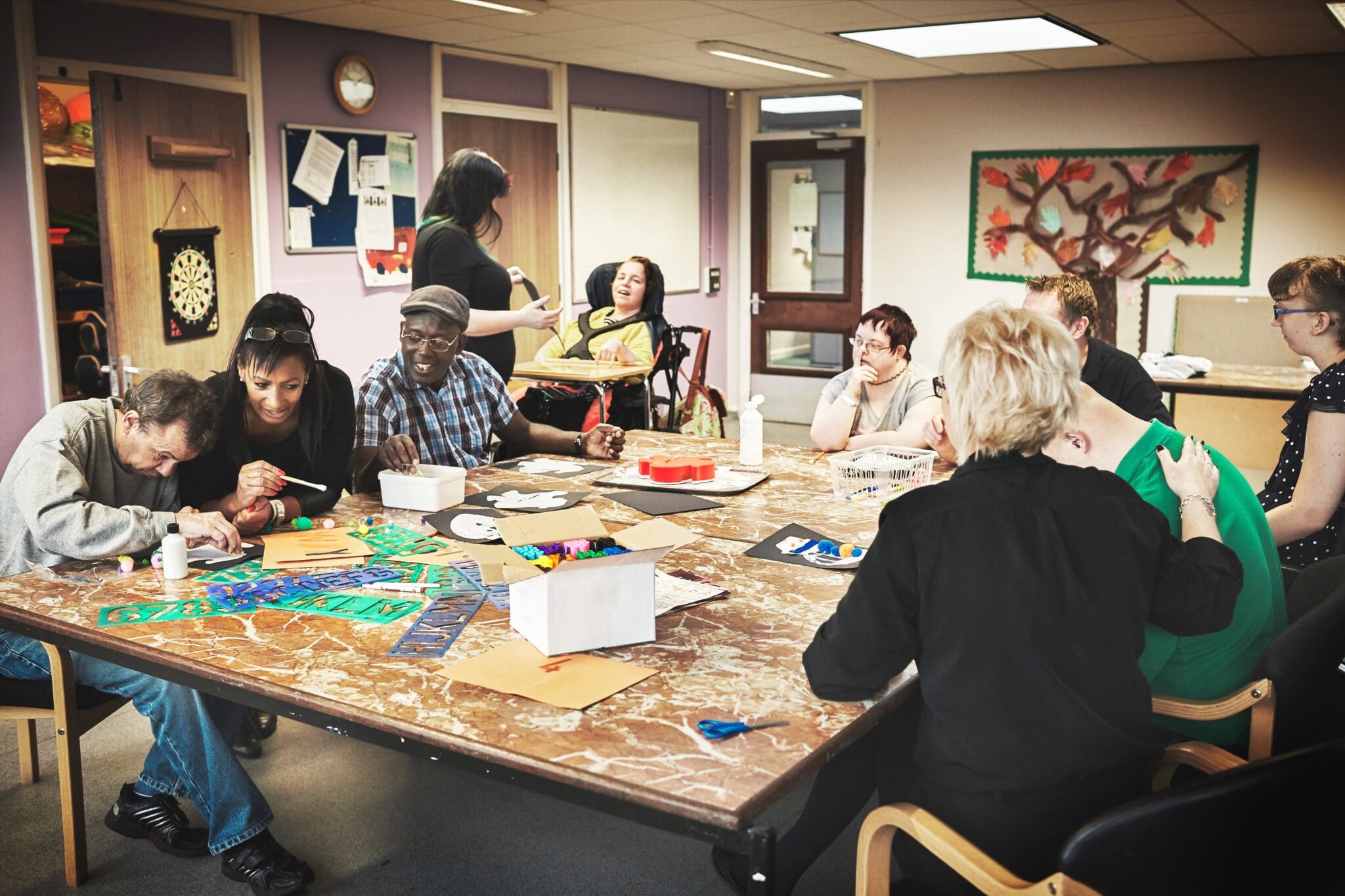
Case conferences, strategy meetings and panels
Structured meetings are central to multi-agency working. They provide the space for professionals to share information, assess risk and plan coordinated responses.
- Child protection conferences bring professionals and families together to review concerns, decide if thresholds for child protection are met, and agree on an action plan. For fairness, these meetings are chaired by an independent professional. Attendees are invited based on the information they can contribute, so the discussion stays focused and relevant.
- Multi-agency risk assessment conferences bring professionals together when someone is facing high-risk domestic abuse. Police, social workers, health staff, housing teams and specialist domestic violence agencies pool their knowledge to agree on safety and support plans for victims and their children. A coordinator keeps track of the actions, making sure promises turn into practice.
- Multi-agency public protection arrangements panels deal with registered sex offenders and other high-risk individuals. Representatives from probation, prisons, police and health services share responsibility for reducing the risk of reoffending, using measures such as close monitoring, treatment programmes and housing assistance.
- Adult safeguarding strategy meetings focus on whether a Section 42 enquiry under the Care Act 2014 should go ahead. Professionals share what they know, agree on the scope of the enquiry and divide up tasks.
Each of these meeting types follows strict procedures. For example, agendas are circulated in advance, minutes are recorded, actions are tracked and confidentiality protocols are observed. This ensures transparency, accountability and a focus on continuous improvement.
Tools and technology for coordinated working
Advances in digital technology are transforming how agencies work together. It’s now easier than ever before to share information, track interventions and measure outcomes.
- Integrated case-management systems let authorised professionals view live notes, risk assessments and uploaded reports in one place. Access is role-based, so only those who need to see sensitive information can do so.
- Secure messaging platforms – compliant with NHS standards – allow for quick queries and document transfers without relying on email. Automated alerts highlight critical issues, such as a child missing school for three consecutive days or a high-risk MARAC referral.
- Data dashboards bring together anonymised performance indicators, including repeat safeguarding referrals, case closure times and service uptake. Some areas are piloting predictive algorithms to flag people who are at greater risk.
- Mobile apps reduce paperwork as staff can use them to collect and update data during home visits. Virtual meeting tools also keep multi-agency teams connected, especially where partners are spread across wide areas.
Technology brings efficiency, but it needs strong governance. Data security and user training are essential, and digital strategies need to balance innovation with ethical and legal obligations.
Early help and prevention through multi-agency support
Early help models aim to stop small problems turning into bigger ones by stepping in quickly when difficulties first appear. The Early Help Assessment brings together practitioners to look at a family’s strengths and challenges in one shared process. This avoids repeated assessments, which waste time and resources, and creates a single, coordinated plan led by a designated professional.
Examples of early help include parenting programmes delivered jointly by children’s centres and health visitors; school-based resilience workshops supported by counsellors and police liaison officers; and youth outreach teams that draw on social work, education and voluntary sector expertise. These initiatives address risk factors such as school exclusion, parental substance misuse or youth offending in familiar community settings, so service users are more comfortable.
Multi-agency early help also eases pressure on statutory services. Evidence shows it reduces the number of children entering care, lowers hospital admissions linked to self-harm and cuts long-term demand on adult social care. In practice, it demonstrates that prevention is better than a cure.
Working with families and community partners
Successful multi-agency working keeps families and communities at the centre of planning and delivery. Practitioners use a strengths-based approach, drawing on family assets, cultural traditions and local networks as foundations for lasting change. Family group conferences – where relatives and community mentors co-develop support plans – are one example of participatory practice that encourages ownership and shared responsibility.
Community partners often add informal support that complements statutory services. A sports club might offer mentoring and role models for disengaged young people. Faith groups may provide outreach volunteers to support isolated older adults. Effective arrangements formalise these contributions through partnership agreements, safeguarding checks and shared objectives.
Groups that are often overlooked – such as LGBTQ+ young people, refugees or those with disabilities or sensory impairments – may need extra steps to make sure their voices are heard. Examples include cultural brokers, interpreters and advocacy services. Feedback mechanisms ensure services remain responsive and accountable.
Monitoring impact and outcomes
Evaluating the effectiveness of multi-agency working means looking at both the processes used and the outcomes achieved.
On the process side, that might mean checking whether strategy discussions happen on time, whether the right professionals attend case conferences and how consistently joint assessments are carried out.
For outcomes, the focus shifts to impact: are people’s well-being and safety improving, are risks being reduced, and do individuals and families feel satisfied with the support they have received?
Quantitative data – for example, that shows a drop in repeat safeguarding referrals or an increase in school attendance – provides objective benchmarks. Alongside this, qualitative feedback from families and professionals sheds light on the quality of collaboration and the impact of relationships between services. Structured tools such as the “Outcomes Star” can help track progress across areas like safety, engagement and independence.
Strong monitoring depends on clear agreements about how data is shared and a culture of continuous learning. Regular cross-agency reviews help identify barriers, celebrate progress and refine everyday practice. Publishing anonymised case studies and outcome reports also strengthens accountability – not just to commissioners, but to the public and, most importantly, to the people who depend on these services.
Training and professional development needs
For multi-agency working to be helpful and effective, professionals need to be given the skills, knowledge and attitudes needed for collaboration. Training typically covers legislative frameworks, safe information-sharing and the use of shared risk assessment tools. Joint workshops and case simulations also help teams understand each other’s roles, responsibilities and language.
Specialist modules focus on areas such as trauma-informed practice, cultural awareness and restorative approaches to managing conflict. Face-to-face sessions are often supported by e-learning platforms, which provide flexibility and refreshers when guidance changes. Some staff pursue accredited qualifications – for example, multi-agency safeguarding coordinator courses – to formalise advanced expertise.
Supervision structures that bring in perspectives from different agencies give staff feedback from beyond their own organisation. Reflective practice groups, often led by independent facilitators, give practitioners a safe space to look at difficult cases and strengthen emotional resilience.
Cross-sector networks, built through conferences, peer forums and secondments, also keep collaboration active and help prevent momentum from slowing down.