
In this article
Air quality has a direct effect on our health and how well we breathe, but it tends to be something we overlook until problems appear. From tiny particles in city smog to gases released by household appliances, the air around us – indoors and out – can set off coughing fits, worsen asthma and cause lasting damage to the lungs in the long term.
According to the “Air Pollution in the UK 2023” report by the Department for Environment, Food & Rural Affairs (DEFRA), long-term exposure to air pollution in the UK causes 29,000 to
43,000 deaths in adults aged 30 and over.
With pollution in many UK cities still exceeding health guidelines, it’s vital to understand how these pollutants interact with our airways.
What is air quality? Understanding key pollutants
Air quality refers to the mix of gases, particles and biological agents we breathe in. Outdoors, the main pollutants are:
- Fine particulate matter (PM2.5 and PM10) – microscopic solids or droplets that travel deep into the lungs
- Nitrogen dioxide (NO2) and sulphur dioxide (SO2) – gases mostly released by burning fuels in vehicles and power stations
- Ground-level ozone (O3) – formed when sunlight reacts with nitrogen oxides and volatile organic compounds (VOCs), often creating urban smog
- Carbon monoxide (CO) – produced when fuels burn incompletely
Indoors, the risks are just as serious. Common sources include:
- VOCs – released from cleaning products, paints and furniture
- Poor ventilation – allows carbon dioxide to build up, leaving people drowsy or with headaches
- Damp and mould – create spores that can inflame or irritate the airways
- Dust mites and pet dander – common allergens that trigger coughing and wheezing
How the respiratory system responds to poor air
The lungs are built with natural defences to stop harmful particles from getting too far. Hairs and mucous membranes in the nose trap larger particles, while a layer of sticky mucus – constantly moved upwards by tiny cilia – sweeps smaller ones out of the airways. If pollutants slip past these barriers and reach the alveoli – the tiny sacs where oxygen passes into the blood – immune cells called macrophages step in to neutralise them.
With heavy or prolonged exposure, however, these protective systems start to struggle. Fine particulates and corrosive gases can blunt the action of cilia, slow mucus clearance and trigger ongoing inflammation. Over time, the airways may become thickened and narrowed. Gas exchange can become less efficient, and the lungs can become vulnerable to infections and allergens. These changes contribute to many of the health conditions linked to poor air quality.
Short-term vs long-term health effects
Poor air can cause problems quickly or contribute to damage over the long term.
Short-term effects
Within hours of exposure, pollutants such as nitrogen dioxide or ozone can trigger coughing, wheezing and chest tightness. Pollution spikes from traffic or industrial activity often lead to sudden rises in asthma attacks and visits to A&E, even among people who normally have no diagnosed lung disease.
Long-term effects
Persistent exposure carries deeper risks. Inhaling fine particulates day after day accelerates the decline of lung function, fuels chronic bronchitis and raises the likelihood of chronic obstructive pulmonary disease (COPD). Lifelong residents of highly polluted urban areas show higher rates of lung cancer. Chronic inflammation from pollutants also contributes to cardiovascular disease, reducing overall life expectancy.
Common respiratory conditions linked to pollution
Pollution is both a trigger and a driver of many respiratory illnesses.
- Asthma – airways become more reactive during high-pollution days, forcing greater reliance on inhalers.
- Chronic bronchitis and COPD – constant exposure to particulates keeps the cycle of excess mucus, cough and breathlessness going.
- Interstitial lung disease and pulmonary fibrosis – inflammatory damage can scar the deeper lung tissue over time.
- Childhood effects – exposure before and after birth can impair lung growth, leaving children with lower peak lung function and higher risk of lifelong breathing problems.
Together, these links make it clear that clean air is a frontline public health priority.
Respiratory infections
Mounting evidence shows that poor air quality increases the risk of respiratory infections.
Fine particulates and nitrogen dioxide weaken the lungs’ defences, slowing the clearance of mucus and impairing the macrophages that normally engulf pathogens. During periods of high pollution, hospitals often record more admissions for pneumonia, bronchitis and influenza – especially in children and older adults, whose immune systems are less resilient.
Sustained exposure to pollution may also make people more vulnerable to severe outcomes from viral infections. Particulates can even act as carriers for viruses and bacteria, allowing them to travel deeper into the lungs. In this way, reducing air pollution, alongside vaccination programmes and clinical care, plays a role in pandemic preparedness and managing winter surges of respiratory illness.

Who is vulnerable to the effects of poor air quality?
Certain groups are more vulnerable to the effects of air pollution:
- Children – they breathe more air per kilogram of body weight than adults and go through critical stages of lung development. Exposure during these periods can cause lasting deficits. Studies show children attending schools near busy roads often have reduced lung capacity compared with peers in less polluted areas.
- Older adults – many live with conditions such as heart disease, diabetes or weakened immune systems, which amplify the impact of poor air quality. Even a single day of high fine particle levels can worsen COPD or heart failure, often leading to hospital admissions.
- People with existing conditions – those with asthma, bronchiectasis or compromised immune systems are particularly at risk. Their reduced respiratory defences mean that even small increases in pollution can trigger flare-ups or symptomatic decline.
Outdoor air pollution: Sources and trends in the UK
In the UK, road transport has historically been the largest contributor to nitrogen dioxide emissions, whereas power generation and heavy industry have dominated fine particulate and sulphur dioxide outputs.
Over the past three decades, stringent vehicle emissions standards, shifts from coal to natural gas and the installation of flue-gas desulphurisation plants have driven substantial declines. Emissions of PM2.5 fell by 76% between 1990 and 2020, showing that regulatory controls and technology improvements have a big impact.
However, many urban hotspots still exceed World Health Organization guideline levels for nitrogen dioxide and particulate matter. Seasonal peaks from domestic wood burning, along with Sahara dust or pollution drifting in from continental Europe, add to the problem.
As the UK shifts towards electric vehicles and renewable energy, the spotlight is turning to other sources – construction dust, indoor wood stoves and agricultural ammonia – which now make up a growing share of the remaining particulate emissions.
Indoor air quality: Hidden hazards at home and work
Indoor environments can sometimes harbour more pollutants than the air outside. Buildings designed to be energy efficient often restrict natural airflow, so emissions from paints, furnishing glues and cleaning products linger for longer than they should.
Gas hobs and unvented heaters can release nitrogen dioxide and carbon monoxide, while poorly maintained air-conditioning systems allow mould to spread spores into the air.
Workplaces carry their own risks. Hair salons, print shops and labs can expose staff to chemicals like formaldehyde, isocyanates and aerosolised inks, which can irritate the airways or trigger occupational asthma. Workshops without proper extraction systems, or warehouses with poor dust control, can also put workers at risk.
Tackling these issues calls for a joined-up approach:
- Ventilation – ensure a steady flow of fresh air by using extractor fans, opening windows where safe, or installing mechanical ventilation systems that filter incoming air.
- Source control – reduce pollutants at their origin by choosing low-emission paints, cleaning products and furnishings, and maintaining gas appliances to minimise harmful emissions.
- Smart use of space – arrange rooms and activities in ways that limit exposure, such as keeping pets out of bedrooms, managing moisture to prevent mould and separating high-fume tasks (like printing or hair treatments) from shared areas.
The role of pollen, dust, mould and VOCs
Biological and chemical pollutants indoors can put a strain on respiratory health.
- Pollen drifts in through open windows or clings to clothing, sparking hay fever and asthma symptoms in sensitive individuals.
- Dust mites thrive in bedding and upholstered furniture, with their microscopic waste particles acting as potent airway irritants.
- Damp walls and ceilings provide the perfect environment for mould. The airborne spores can inflame the airways and trigger allergic reactions.
- VOCs also seep out of many everyday products. Paints, varnishes, composite wood panels, cleaning sprays and even cosmetics release low-level emissions. Prolonged exposure to VOCs such as formaldehyde and benzene is linked to eye, nose and throat irritation. Some also carry carcinogenic risks.
Reducing these hazards means choosing low-emission materials where possible and ensuring ventilation systems are effective at diluting and removing indoor pollutants.

Impact of seasonal changes and weather patterns
Air pollution and its health impacts shift with the seasons and the weather.
- Winter – domestic heating increases emissions, while temperature inversions trap pollutants close to the ground. In urban valleys and industrial regions, this can create dense winter smog.
- Summer – heat speeds up photochemical reactions, driving up ozone levels. Even healthy people may notice reduced lung function, while those with asthma are at greater risk of flare-ups.
- Rain and wind – these help clear particles from the air, improving conditions temporarily.
- Dry spells – dust and pollen accumulate, layering allergic triggers on top of pollutant exposure and placing extra strain on the respiratory system.
Understanding these seasonal dynamics helps councils provide targeted guidance and allows people to plan outdoor activity around times of lower risk.
Monitoring and managing air quality
Monitoring, regulation and easy-to-use public tools all play a role in helping people and policymakers respond effectively to pollution risks.
The air quality index
Many countries use an air quality index (AQI) to translate complex pollutant data into actionable insights.
In the UK, the Daily Air Quality Index, which is publicly available, condenses measurements of PM2.5, PM10, NO2, O3 and SO2 into a simple banded scale ranging from “low” to “very high”. Each category corresponds to specific health advice:
- Moderate – people with asthma or other respiratory conditions are advised to reduce outdoor exercise.
- High or very high – even healthy individuals may feel discomfort and should avoid strenuous outdoor activity.
Real-time alerts can let vulnerable groups know when to implement protective behaviours, like closing windows, using indoor air purifiers or wearing face-coverings. This helps reduce peak exposures and avoid exacerbating symptoms on poor air quality days.
Government standards and regulatory frameworks
The UK’s approach to managing air quality is governed by a combination of national legislation and European-derived directives.
The Air Quality Standards Regulations 2010 set binding concentration limits and require local authorities to monitor and report regularly.
The Environment Act 2021 added long-term targets. These include cutting average population exposure to fine particulate matter by 2028 and again by 2040, in line with updated World Health Organization guidance.
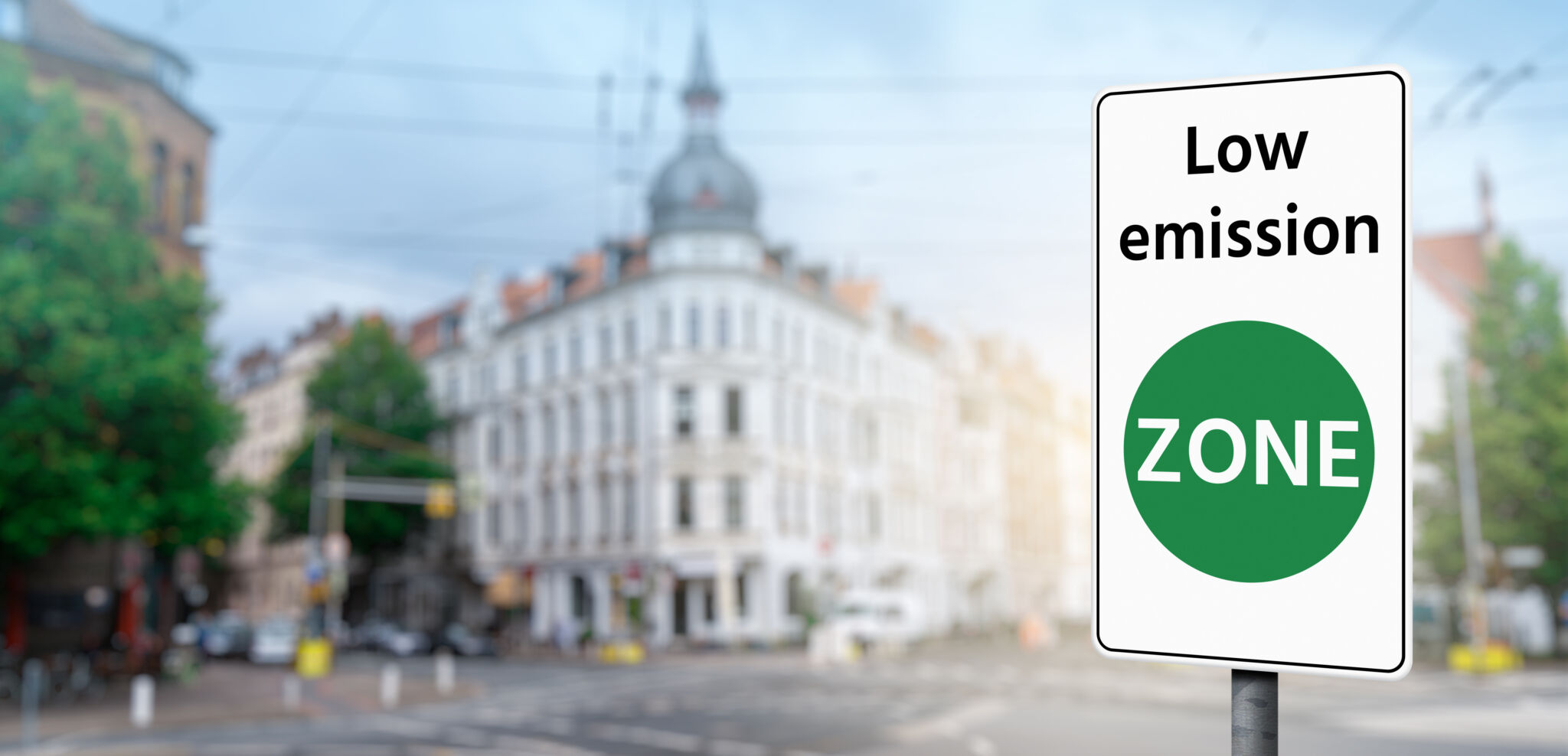
Local councils that persistently exceed recommended nitrogen levels can introduce “clean air zones”. These charge the most polluting vehicles to access these areas, encouraging people and drivers to change their habits (i.e., use public transport or walk) and invest in greener vehicles.
Other policies support this shift – incentives for low-emission transport, tighter industrial permits and building regulations that demand better ventilation. Together, they aim to reduce pollution and protect public health.
Monitoring tools and apps
Advances in sensor technology have made air quality data more widely accessible. Besides government reference stations, which still provide the most accurate readings, the public can track air quality in other ways:
- Community sensors – platforms such as PurpleAir use affordable devices to map hyperlocal particulate levels.
- Apps and portals – tools like AirVisual, BreezoMeter and UK-Air combine official and crowd-sourced data to deliver forecasts, health advice and personalised alerts.
These tools help people make quick decisions – delaying outdoor exercise until levels improve, picking cleaner routes for cycling or switching on indoor air purifiers. They also expand coverage in places where official monitoring is limited, supporting fairer access to environmental health information.
Practical strategies for cleaner air
Everyday choices, alongside good building practices, can make a real difference in reducing exposure to polluted air both outdoors and indoors.
Reducing outdoor exposure
Simple actions can cut down how much pollution you breathe in:
- Choose cleaner routes – walking or cycling through parks and residential streets instead of main roads reduces exposure to traffic fumes.
- Time activities wisely – plan exercise outside rush hours or midday ozone peaks when pollutant levels are highest.
- Use protective gear – in heavy-traffic areas, a well-fitting particulate mask provides extra protection on “high” AQI days.
- Be mindful at events – busy junctions, car parks or crowded events often mean idling vehicles and concentrated exhaust fumes. Standing further back or taking breaks indoors helps reduce how much polluted air you breathe in.
These measures don’t remove risk completely, but together they ease the burden on the lungs.
Improving indoor air
Indoor air quality depends on a mix of source control, ventilation and filtration:
- Ventilation – open windows briefly to dilute pollutants. In polluted areas, use trickle vents or filtered mechanical systems to maintain airflow without impacting heat or security.
- Filtration – high-efficiency particulate air (HEPA) filters capture fine particles and allergens, while activated carbon filters reduce odours and VOCs.
- System upkeep – maintain heating and cooling systems by cleaning ducts, replacing filters and preventing moisture build-up to stop mould growth.
- Low-emission choices – select furniture and finishes with low VOC emissions to minimise ongoing chemical exposure.
- Special environments – schools and healthcare settings benefit from dedicated air cleaners and CO2 monitors, which keep air fresh, reduce illness-related absences and protect vulnerable groups.
Health advice for at-risk groups
Healthcare professionals should bring air quality into everyday care for patients with respiratory and cardiovascular conditions.
Personalised action plans can cover checking the Daily Air Quality Index, adjusting outdoor activity and tailoring medication use when pollution levels rise.
Asthma patients may be advised to increase controller inhaler use ahead of forecasted poor-air days. People with COPD should watch closely for early signs of flare-ups and seek medical help quickly.
Parents and carers can check pollen counts and forecasts before outdoor play. This helps at-risk children spend more time in cleaner environments.
Older adults living alone may need help with simple air-cleaning devices. Community health schemes that distribute portable air monitors to vulnerable households give families the tools to make informed choices and reduce avoidable exposures.
Campaigns, clean air zones and policy developments
In recent years, campaigns like World Lung Day and Clean Air Day have raised public awareness of the health impacts of air pollution.
Clean air zones in major cities – like London’s Ultra Low Emission Zone (ULEZ) – show how charging schemes can deliver measurable results. London, for example, has recorded significant drops in roadside nitrogen dioxide since ULEZ was introduced. These gains are tracked through roadside monitoring stations, which compare pollutant levels before and after the scheme.
At the national level, policy now targets the phase-out of new petrol and diesel cars, the expansion of zero-emission public transport and the retrofitting of buildings with cleaner heating systems.
Behavioural change is just as important. Promoting walking, cycling and remote working tackles the root causes of congestion and emissions. Engagement with schools, workplaces and faith groups builds collective responsibility and helps turn policy into practice.
As research continues to show the health gains of cleaner air, the evidence base for sustained investment grows stronger – ensuring future generations inherit a lung-healthier world.