In this article
Listeria is a type of bacteria that can contaminate food, particularly chilled, ready-to-eat items. It is uncommon, but in some cases it can lead to serious illness. Understanding the Listeria risks in foods is crucial for safety.
This guide is for anyone handling or preparing food – including consumers, carers and food businesses – who wants to understand which foods carry higher risk and how to reduce that risk in everyday practice.
Foods at risk of listeria
Being aware of the Listeria risk in foods helps in making informed choices when shopping and preparing meals.
Still, in the UK, the same food categories come up again and again because they share three features:
Awareness of Listeria risks in foods is essential for anyone involved in food preparation or consumption.
- They are chilled and ready to eat.
- They have a longer shelf life.
- They are handled a lot during production or service.
As a simple starting point, foods at high risk of listeria include:
- Soft, ripened cheeses (such as brie and camembert) and blue cheeses, especially when not thoroughly cooked
- Unpasteurised milk and dairy products
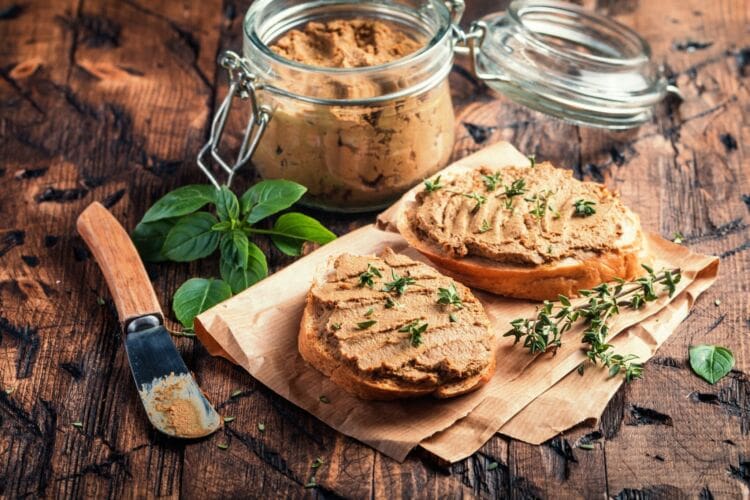
- Pâté and chilled meat spreads
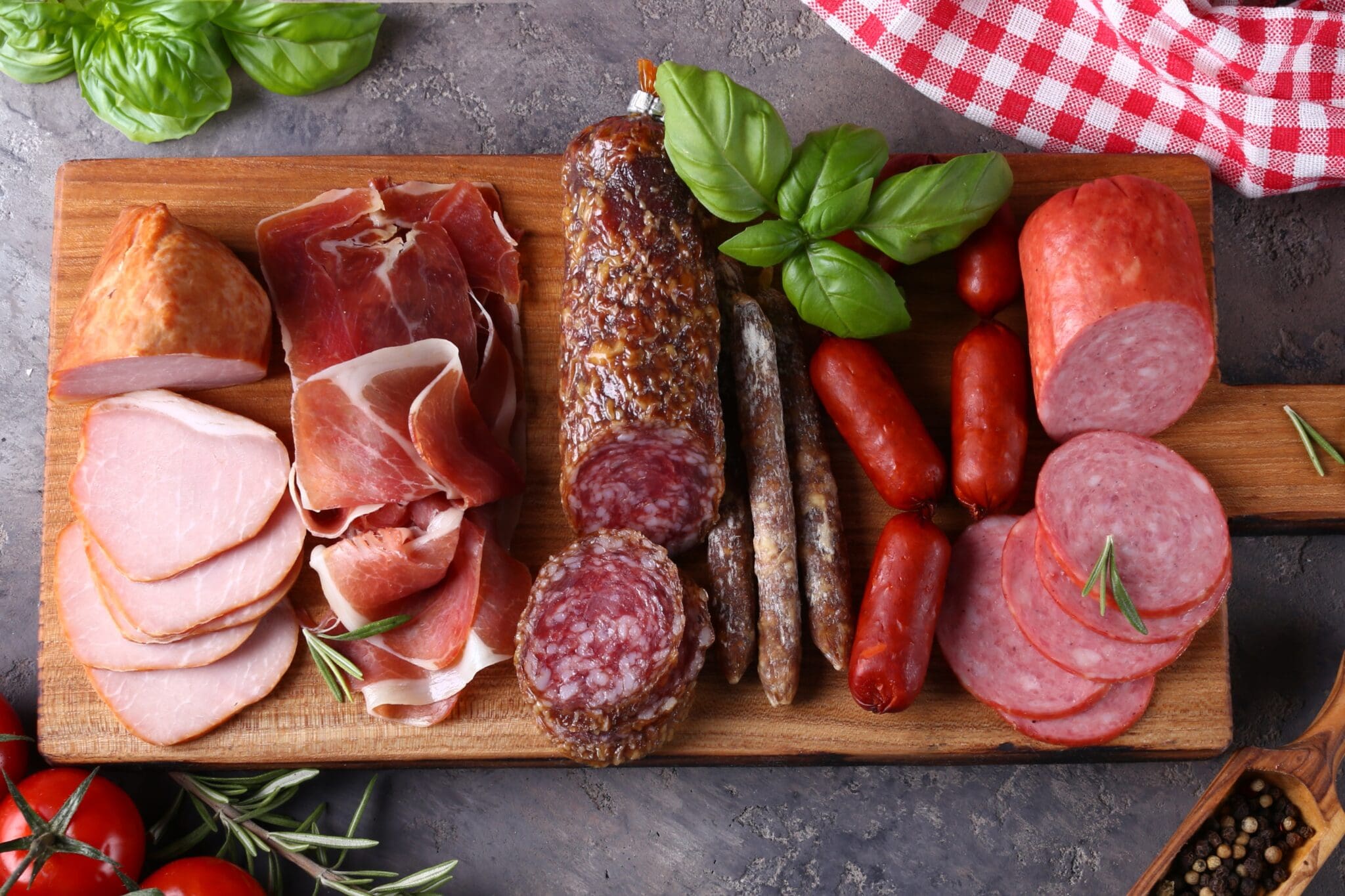
- Deli meats and sliced cooked meats that are stored chilled and eaten without reheating
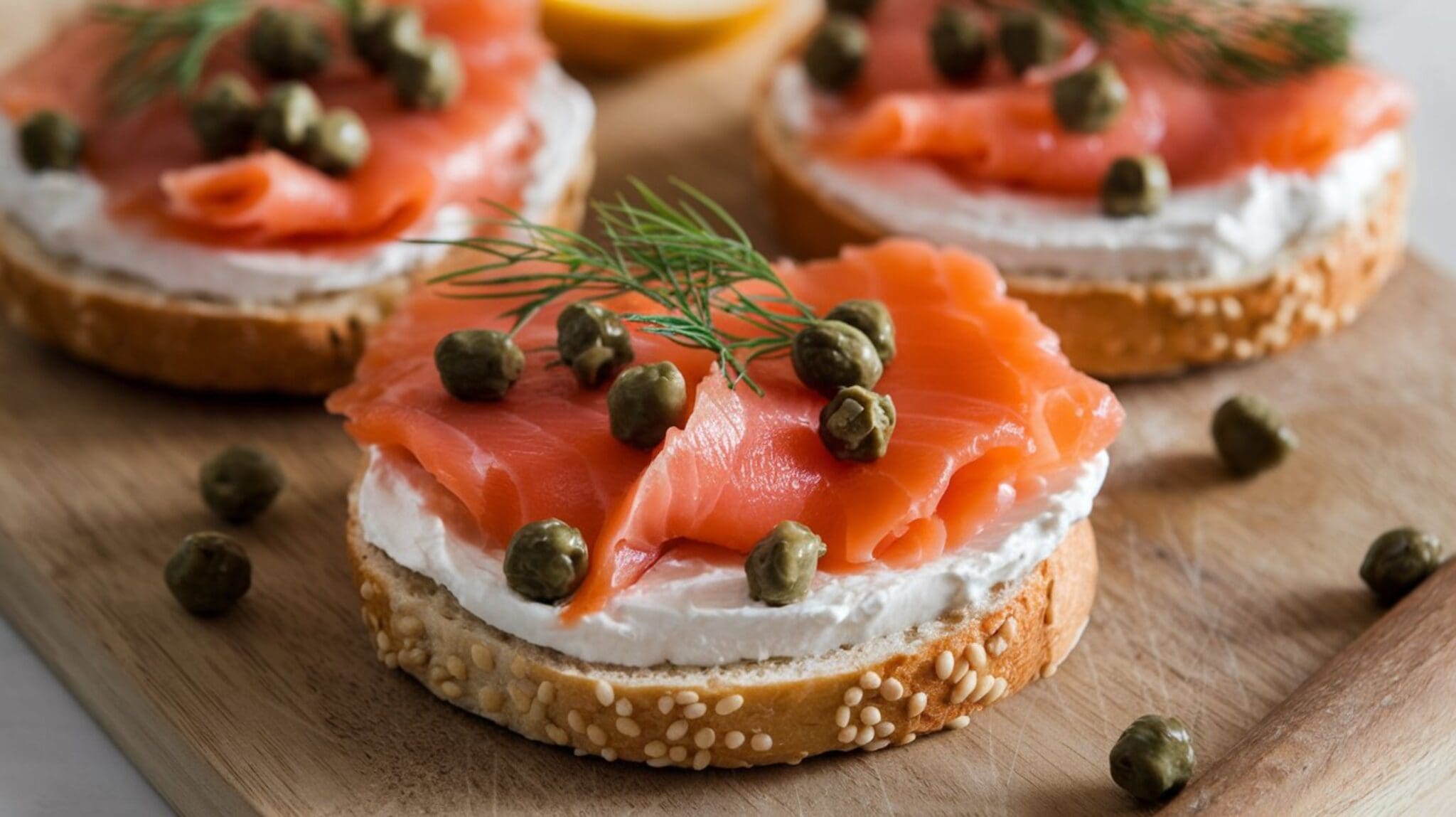
- Smoked and cured fish, especially ready-to-eat chilled packs
- Pre-packed sandwiches and chilled “grab and go” foods
- Bagged salads and prepared vegetables sold ready to eat
- Chilled desserts that sit for days, especially those with fresh cream or soft textures
- Leftovers that are kept too long or cooled and stored poorly
This does not mean these foods are unsafe in themselves. It means they carry a higher risk in certain conditions, so they need to be handled carefully, and some people may be advised to avoid them.
If you are in a higher-risk group – including pregnancy, older age, or a weakened immune system – it is safest to take a more cautious approach. This often means avoiding higher-risk chilled foods, checking use-by dates carefully, and eating freshly prepared food where possible.
Who is at risk of listeriosis?
Most healthy adults who are exposed to listeria either have mild symptoms or no symptoms at all. The reason it is taken so seriously is that it can cause listeriosis – a more severe infection – in people whose immune defences are reduced.
Higher-risk groups include:
- Pregnant people, because listeria can affect pregnancy even if symptoms are mild
- Newborn babies, because their immune systems are still developing
- Adults over the age of 65
- People with weakened immune systems, including those receiving chemotherapy, taking immune-suppressing medicines, living with certain long-term conditions, or recovering from major illness
- People with some chronic conditions that reduce the body’s ability to fight infection
If you care for someone in a higher-risk group, focus on how food is handled day to day. Keep food properly chilled, follow use-by dates and avoid higher-risk foods.
What listeria infection can look like
Listeria causes an infection called listeriosis. In most healthy people, it’s mild or goes unnoticed. When symptoms do appear, they are often similar to a short bout of flu or food poisoning – things like a fever, muscle aches, nausea or diarrhoea that settle after a few days.
The concern is that in higher-risk groups, the infection can move beyond the gut and become more serious. This can affect the bloodstream or the brain, and may lead to conditions such as sepsis or meningitis.
In pregnancy, the symptoms can be mild or easy to miss, but the impact can be severe. Infection can lead to miscarriage, stillbirth or serious illness in a newborn.
Because symptoms are often non-specific, people don’t always connect them to food. If you are in a higher-risk group and develop flu-like symptoms after eating higher-risk foods, seek medical advice, especially if symptoms are persistent or worsening. Urgent care is needed if there are signs of more serious illness, such as confusion, a stiff neck, seizures or unusual drowsiness.
Chilled ready-to-eat foods to avoid
Chilled ready-to-eat foods carry a higher risk of listeria because they are eaten without further cooking. Unlike many other bacteria, listeria can grow at fridge temperatures, so the level of risk increases the longer these foods are stored.
For people in higher-risk groups, it is safest to avoid or limit chilled foods that are stored for longer periods or are more likely to carry contamination.
Foods that commonly sit in this category include:
- Chilled deli-style meats and sliced cooked meats that are eaten cold
- Pre-packed sandwiches, wraps, and filled rolls stored chilled
- Chilled “party foods” such as platters, cooked meats, and ready-to-eat appetisers that sit open
- Chilled pâté and meat spreads
- Chilled smoked fish packs that are eaten without cooking
- Chilled ready-to-eat salads and prepared vegetables
If you are not in a high-risk group, you don’t need to avoid these foods, but you do need to handle them properly. Keep the fridge cold, follow use-by dates and avoid keeping leftovers beyond their safe period.
In general, the longer a chilled, ready-to-eat food is kept before eating, the more important it is to follow use-by dates and store it correctly.
Soft cheeses and listeria risk
Soft cheeses – especially soft mould-ripened cheeses such as brie and camembert, blue cheeses like stilton and gorgonzola, and some soft goat’s cheeses – are linked to a higher risk of listeria. Their moisture and texture can allow the bacteria to grow if it is present, particularly when the cheese is eaten without cooking.
Safer swaps often include:
- Hard cheeses such as cheddar and parmesan.
- Pasteurised processed cheeses.
- Cottage cheese and cream cheese made from pasteurised milk (check label guidance for your risk group).
- Thoroughly cooked soft cheeses as part of a hot dish, where the cheese is piping hot throughout.
If you are in a higher-risk group, treat soft-ripened and blue cheeses with caution, especially when eaten cold.
For food businesses, the main risks come from storage and handling. Soft cheeses are more likely to become unsafe if they are kept open for long periods, handled frequently, or stored beyond their use-by date.
Unpasteurised milk and dairy listeria risk
Unpasteurised milk and dairy products carry a higher risk of listeria because they have not been heat treated to reduce harmful bacteria. This includes unpasteurised milk itself and foods made from it, particularly when eaten without further cooking.
Safer swaps include:
- Pasteurised milk and dairy products
- UHT milk and shelf-stable dairy
- Hard cheeses made from pasteurised milk
A simple check is the label. If a product states “made with unpasteurised milk”, it should be treated as higher risk. For people in higher-risk groups, it is best avoided. In food settings, it requires clear labelling and careful handling.
Pâté and chilled meat spreads listeria risk
Pâté – including liver pâté, pâté in tubs, and similar chilled meat spreads – carries a higher risk of listeria because it is eaten without reheating and is often stored for several days after opening.
Safer swaps depend on the situation:
- For high-risk groups, avoidance is often the simplest choice.
- For general consumers, strict use-by date discipline and fridge control matter most.
- For food service, limit how long pâté sits open, keep it properly covered, and avoid “topping up” old batches with new.
A common problem is keeping pâté for too long after opening. It is not a product to use gradually over time. Once opened, store it in the fridge, keep it covered, and follow the use-by guidance. If you are unsure when it was opened, it is safer not to use it.
Deli meats and sliced cooked meats listeria risk
Deli meats and sliced cooked meats – such as ham, turkey, chicken and other roast meats sold chilled, including those sliced at deli counters or packaged for eating cold – carry a higher risk of listeria. They are typically eaten without reheating, stored chilled, and handled multiple times. Slicing also increases surface area, which can raise the risk further.
Safer swaps and habits include:
- Buy smaller packs more often instead of large packs that linger.
- Keep meats at the back of the fridge where it is coldest, not in the door.
- Keep opened packs sealed and use quickly.
- For high-risk groups, choose meats that will be reheated until piping hot, rather than eaten cold.
In food settings, keep chilled displays below 5°C, limit how long sliced meats are kept once opened, and avoid cross-contamination during handling. Use clear date and batch labelling so staff know what to use first and what to discard.
Smoked and cured fish listeria risk
Chilled smoked and cured fish – including smoked salmon and similar products sold ready to eat – carry a higher risk of listeria. They are typically eaten without further cooking and are often stored for longer periods in the fridge, which allows the bacteria to grow if it is present.
For people in higher-risk groups, it is safest to avoid these foods unless they are thoroughly cooked as part of a hot dish. Cooking until piping hot reduces the risk.
Safer swaps include:
- Fish that will be cooked from raw until fully cooked
- Tinned fish, which is shelf-stable and heat treated
- Hot-smoked fish that is thoroughly reheated before eating, if suitable for your needs
In food settings, treat smoked fish as a higher-risk chilled ingredient. Keep it consistently cold, portion it carefully to reduce handling, and avoid keeping opened packs for extended periods.
Pre-packed sandwiches listeria risk
Pre-packed sandwiches carry a higher risk of listeria because they are eaten cold, stored chilled, and often kept for several days. They also combine multiple ingredients – such as sliced meats, soft cheeses and ready-to-eat salads – which increases handling and the chance of contamination during preparation.
For people in higher-risk groups, it is safest to avoid chilled pre-packed sandwiches and choose freshly prepared food eaten straight away, or hot food served piping hot.
For everyone else, sensible controls include:
- Buying sandwiches from retailers with good refrigeration
- Checking that chilled units feel cold and are not overloaded
- Following use-by dates strictly
- Avoiding keeping part of a sandwich for later unless it can be stored properly and eaten soon after
In food settings, sandwiches require tight control. Keep preparation areas clean, minimise the time ingredients are left out during assembly, maintain cold temperatures throughout storage and display, and set clear, realistic use-by dates.
Bagged salads and prepared veg listeria risk
Bagged salads and prepared vegetables – including mixed salad leaves, pre-cut fruit, vegetable pots and ready-made sides like coleslaw – carry a higher risk of listeria because they are eaten without cooking and can be stored for several days. Although they are washed during production, they are not sterile, so any bacteria present can remain and increase over time.
Safer swaps and habits include:
- Buy smaller packs and use them quickly.
- Keep them cold, covered, and away from the warmest parts of the fridge.
- Follow use-by dates strictly, because “it still looks fine” is not a safety test.
- For high-risk groups, consider cooking vegetables instead of eating bagged salad, or choose whole produce that you wash and prepare yourself, using good hygiene.
In food settings, ready-to-eat salads need careful handling. Keep preparation areas clean, separate them from raw meat, rotate stock properly, and maintain cold temperatures during storage and service. Avoid leaving salads out at room temperature during prep or service.
Chilled desserts and soft-serve listeria risk
Chilled desserts can carry a higher risk of listeria, particularly those that are soft, high in moisture, and stored for several days before eating. This includes cream-based desserts, mousses, and chilled puddings that are ready to eat and not reheated.
Because these products are often eaten straight from the fridge, any contamination present has time to persist and increase during storage, especially if temperature control is inconsistent or the product is kept beyond its use-by date.
This includes desserts such as cream pots, chilled cheesecakes that are not baked, ready-made puddings, and desserts prepared in advance and stored for later use.
Soft-serve and ice cream present a slightly different risk. The concern is less about the product itself and more about how it is handled. Soft-serve machines can become a source of contamination if they are not cleaned and maintained properly, as the mix is held at temperatures that require strict control.
For consumers, safer habits include:
- Keeping chilled desserts cold and covered
- Following use-by dates rather than relying on appearance or smell
- Avoiding keeping opened desserts for more than a short period
- Choosing outlets with good hygiene practices when buying soft-serve
In food settings, desserts and soft-serve require consistent control. Keep products at the correct temperature, limit how long they are stored once opened or prepared, and follow strict cleaning and maintenance routines for equipment. Poor cleaning, temperature drift, or extended storage all increase risk.
Leftovers and listeria – safe storage
Leftovers can be safe, but problems arise when they are cooled slowly, stored too warm, kept for too long, or reheated more than once.
Practical steps that reduce listeria risk:
- Cool leftovers quickly, then refrigerate
- Store food in shallow containers so it cools evenly
- Label leftovers with the date
- Eat chilled leftovers promptly, especially if they will not be reheated
- Reheat thoroughly until piping hot if serving hot
- Avoid keeping leftovers “just in case” for several days
Listeria can grow slowly even at fridge temperatures, so being in the fridge does not make food safe indefinitely. Time still matters.
For people in higher-risk groups, take extra care with leftovers that are eaten cold, such as cooked meats, fish and prepared salads. Reheating can reduce risk, but only if the food is heated all the way through.
Fridge temperature checklist below 5°C
Fridge temperature is one of the strongest controls you have against listeria, because listeria grows more slowly at colder temperatures.
Keeping fridges at 5°C or below is best practice. For consumers, the simplest approach is to aim for 0–5°C and check regularly, rather than trusting the dial.
Here’s a practical fridge temperature checklist:
- Put a fridge thermometer in the middle shelf area.
- Check and record the temperature at least once a day in food businesses.
- In homes, check a few times a week, and after big shops or power cuts.
- Keep the fridge between 0°C and 5°C where possible.
- Avoid overloading the fridge, because poor airflow creates warm spots.
- Keep the door shut as much as possible during busy prep.
- Store higher-risk, chilled, ready-to-eat foods in the coldest part, usually the back of the lower shelves, not the door.
- Keep raw foods sealed and stored below ready-to-eat foods to prevent drips and cross-contamination.
Common temperature mistakes include changing the fridge’s temperature regularly or turning it down only during hot weather. Instead, you should treat temperature as a constant standard. Consistency reduces risk and waste, because food lasts better when it’s properly chilled on a continuous basis.
Use-by dates and shelf-life limits
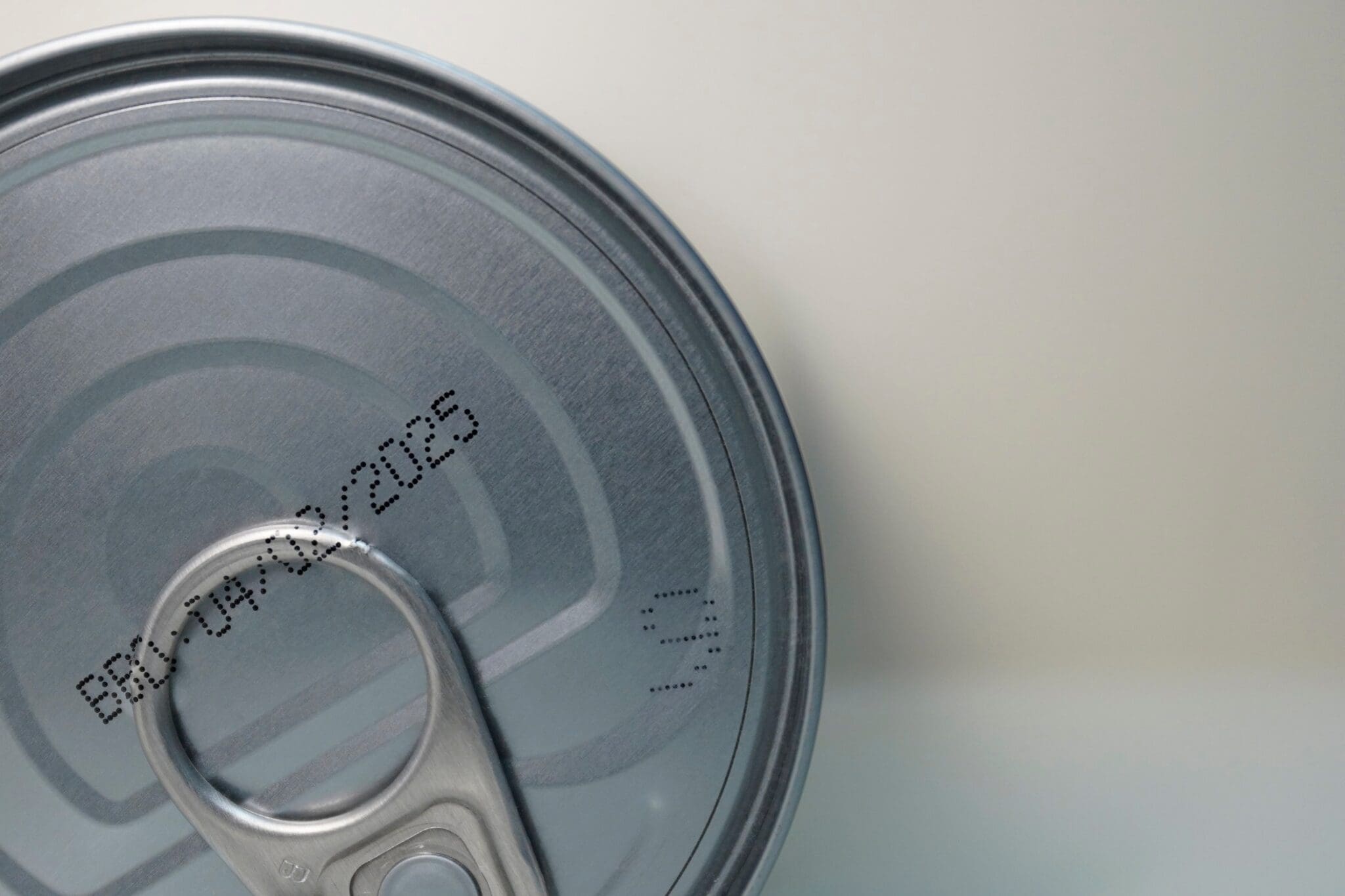
Use-by dates matter more for listeria than for many other hazards because the risk can rise over time in chilled ready-to-eat foods. A product can look and smell fine and still be unsafe if it’s past its use-by date.
Key use-by date rules:
- Do not eat food after its use-by date, even if it looks fine.
- Follow storage instructions, because use-by assumes correct refrigeration.
- Once opened, many foods should be eaten sooner than the printed use-by date, especially chilled ready-to-eat items.
- Avoid “mixing batches”, such as topping up an old container with new food.
- Keep date labelling clear for decanted foods in businesses, including open dates and discard dates.
For food businesses, shelf-life setting is a serious due diligence area. If you make chilled ready-to-eat foods on-site, you need realistic shelf lives, strict temperature control and clear labelling that staff can follow under pressure. A shorter shelf life that is actually followed is safer than a longer shelf life that gets stretched.
For households, the most useful habit is simple: if you cannot remember when you opened it, don’t eat it and risk becoming unwell. This applies strongly to opened cooked meats, pâté, soft cheeses and ready-to-eat salads.
Summing up
Listeria risk is mainly linked to chilled, ready-to-eat foods that are stored for several days and eaten without further cooking. The combination of time, temperature and handling is what allows the risk to build.
Most people will not become seriously ill, but for higher-risk groups, the consequences can be severe. That is why food handling habits matter, especially around storage, use-by dates and how long food is kept once opened.
Always aim to keep food properly chilled, follow use-by dates, avoid keeping ready-to-eat foods for too long, and take extra care with higher-risk items such as soft cheeses, chilled meats and prepared salads.
You do not need to overhaul how you shop or eat. Small, consistent habits are enough to keep risk low.