In this article
Personal protective equipment (PPE) is one of those things that feels simple – until you are rushing between rooms, a resident is distressed, a colleague needs help, and you are trying to remember the ‘right order’. In UK care homes, home care and community settings, PPE is used every day for personal care, continence support, cleaning, wound care, and when people are unwell. The goal is not to wear more PPE than you need. It is to wear the right PPE at the right time, and then remove it without taking the germs with you.
Correct donning and doffing matters because most contamination happens during removal. The outside of gloves, aprons, masks and eye protection can carry infection. If you remove them in the wrong order, touch your face, or skip hand hygiene at key moments, you can transfer germs to your hands, uniform, phone, door handles, hoists and other residents. That is how outbreaks continue even when staff are ‘wearing PPE’.
This guide is designed to be practical and quick to use. It gives a clear step-by-step order you can follow mid-shift, with hand hygiene points built in. It also explains when to use gloves and aprons, when to move up to a fluid-resistant mask or a respirator, and the most common mistakes that cause self-contamination. Where helpful, it includes links to reputable UK resources such as Department of Health & Social Care infection prevention and control guidance and the HSE guidance on respiratory protective equipment so managers can align local practice with national expectations.
A final point before we get into the steps. PPE is only one layer of protection. It works best alongside good hand hygiene, good cleaning, safe waste handling, and sensible isolation or cohorting decisions. Even if PPE is used correctly, touching your phone with gloves on or not cleaning shared equipment between residents can still create risk. Think of PPE as part of a system, not the whole system.
PPE Donning Order Step-by-Step
Donning is about putting PPE on in a way that protects you while staying comfortable enough to keep on for the task. The best donning routine is consistent. You do it the same way every time, so you are less reliant on memory when you are busy. It also reduces fiddling and readjusting later, which lowers the chance of touching your face or contaminating the inside of PPE.
Before you start, do a 10-second check. Are you wearing the right uniform? Are sleeves above the elbow? Are nails short and clean with no false nails? Are rings and bracelets removed? Is hair tied back? These small details improve PPE fit and make hand hygiene more effective.
Donning sequence (standard care tasks)
- Prepare what you need before you enter the care area
Bring equipment, wipes, linen bags and waste bags so you do not leave and re-enter repeatedly. Repeated door handle contact and repeated PPE changes create more opportunities for mistakes. - Hand hygiene
Clean hands with alcohol hand rub if hands are not visibly dirty. Use soap and water if hands are visibly dirty, or when dealing with vomiting and diarrhoea if your local policy requires handwashing. A good reference for technique is the NHS hand washing guide. - Apron or gown
Put on your disposable apron for tasks with body fluid risk or close personal care. If a gown is required (e.g. higher splash risk or transmission-based precautions), put it on at this stage and secure ties properly. The aim is full coverage of the front of your uniform and sleeves when using a gown. - Mask or respirator (if required)
If a fluid-resistant surgical mask is needed, fit it snugly over your nose and mouth, and pinch the nose strip if present. If an FFP3 respirator is needed, position it correctly and complete a seal check as trained. Respirators must be fit tested. Managers can use the HSE fit testing information to support compliance. - Eye protection (if required)
Add goggles or a visor if there is splash risk or if guidance for the situation requires it. Position it so it does not slide, because repeated adjustment increases face touching. - Gloves
Put on gloves last. They should cover the wrist and sit over the cuff of the gown if you are wearing one. Choose the correct size. Gloves that are too loose are more likely to catch and tear, while those that are too tight can split and become uncomfortable, leading to early removal.
A helpful habit is to speak the order under your breath as you do it. It sounds silly, but it works. “Clean hands, apron, mask, eyes, gloves.” When staff share the same words, coaching becomes easier.
Donning for cleaning and domestic tasks
For cleaning, donning is similar, but you also need to think about chemical safety. Check you have the correct gloves for the product, and do not wear a respirator unless your risk assessment or product safety data tells you to. In addition, make sure you have a spill kit ready if you are working in bathrooms or dealing with vomit or diarrhoea.
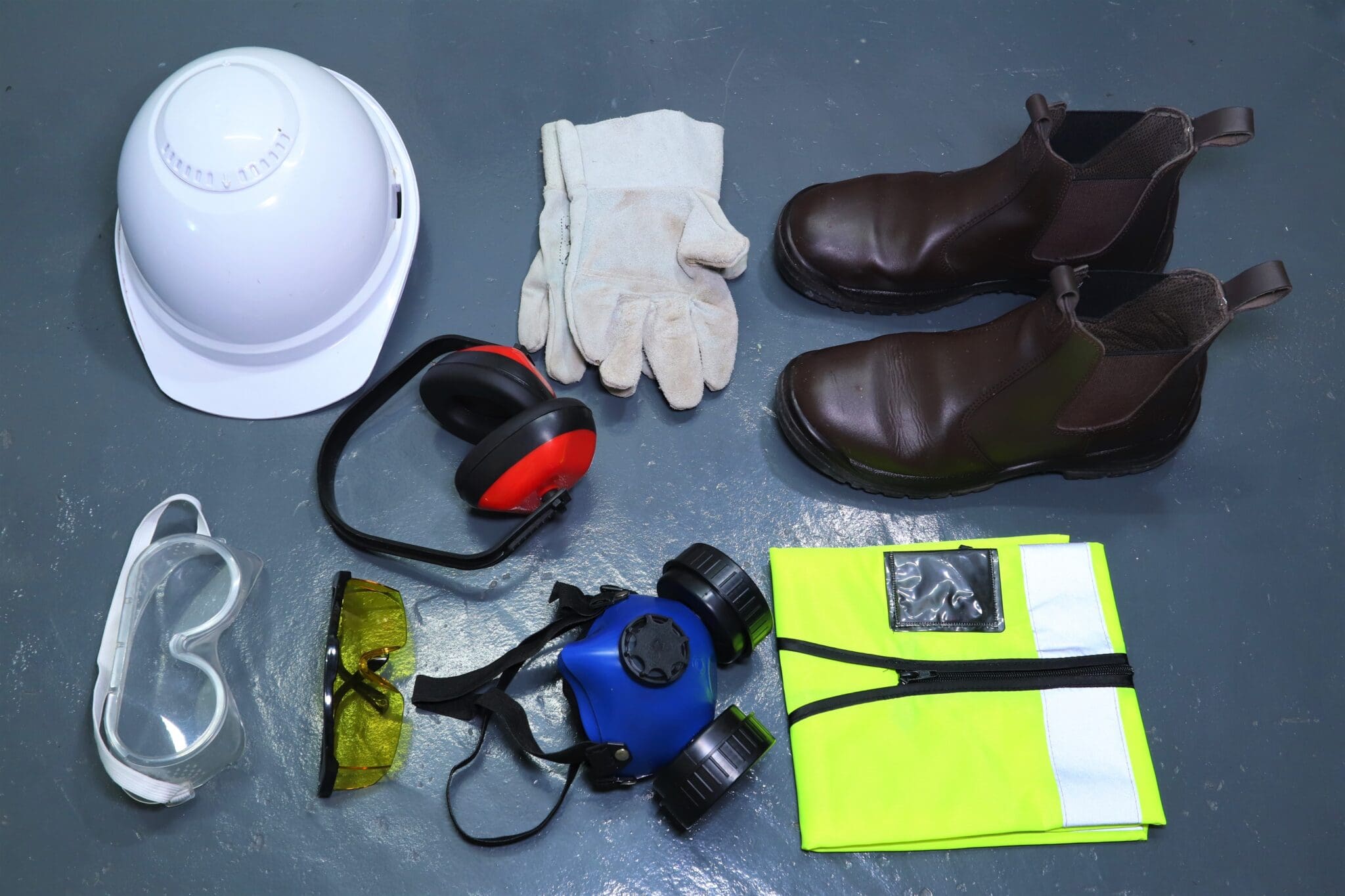
PPE Doffing Order Step-by-Step
Doffing is where most contamination happens. The outside of PPE should always be treated as contaminated. Your aim is to remove it without touching the contaminated surfaces with bare hands, and without flicking or snapping it so germs spread into the air or onto your uniform.
The safest doffing approach is calm and deliberate. Rushing causes two classic errors: touching the front of your mask, or removing PPE in the wrong place and then walking through the setting contaminating door handles and handrails.
Before you start removing PPE, check where you are. Ideally, remove PPE at the point of exit from the care area, using the correct waste bins. If you are supporting a resident in their room, this usually means doffing at the room doorway or just outside, depending on local zoning rules.
Doffing sequence (most common safe order)
- Remove gloves
Gloves are usually the most contaminated item because they touch residents, equipment and surfaces. Remove them first using a safe technique (explained in detail later). - Hand hygiene
Clean hands immediately after removing gloves. This step is often skipped, yet it is one of the most important. - Remove apron or gown
Remove apron or gown carefully, rolling the contaminated side inward. Avoid snapping ties or pulling it away quickly. - Hand hygiene
Clean hands again. This breaks the chain if your hands have touched the apron ties or gown sleeves. - Remove eye protection (if worn)
Handle goggles or visors by the arms or strap. Avoid touching the front. If it is reusable, place it straight into the correct receptacle for cleaning and disinfection. - Remove mask or respirator
Remove it by the straps only. Do not touch the front. For masks, use the ear loops or ties. For respirators, follow the trained strap removal method. - Hand hygiene
Finish with hand hygiene. Consider this the ‘reset’ before you touch anything else – doors, pens, tablets, phones or your face.
This is the standard pattern: remove contaminated item, clean hands, remove next item, clean hands again. Some workplaces remove the apron before gloves in specific scenarios. However, in care settings with high contact tasks, removing gloves first, followed by hand hygiene, is a very common and practical approach because it prevents contaminated gloves from touching your uniform as you remove the apron.
Key doffing rules that prevent self-contamination
- Keep your hands away from your face.
- Touch straps and ties, not front surfaces.
- Roll contaminated surfaces inward.
- Dispose of single-use PPE immediately.
- Do not carry used PPE through corridors.
- Do not rush. Slow is safe.
If you want a simple memory phrase, try: “Gloves off, clean hands, apron off, clean hands, eyes off, mask off, clean hands.”
When to Use Gloves and Aprons
Gloves and aprons are the workhorses of PPE in care settings. They protect staff and residents when there is contact with body fluids, non-intact skin or contaminated surfaces. The risk is not just blood. In care homes, the most common exposures involve urine, faeces, vomit, sputum, wound exudate and cleaning chemicals.
The key principle is that gloves and aprons are task-based, not person-based. You should not wear the same gloves and apron while moving between residents, answering a call bell and then delivering a drink. You change them between tasks, and you perform hand hygiene between changes.
Gloves are usually needed for:
- Personal care where contact with body fluids is likely.
- Continence care and toileting support.
- Handling soiled linen, pads or waste.
- Wound care and dressing changes.
- Oral care if there is a risk of saliva contact.
- Cleaning toilets, commodes and bathrooms.
- Handling sharps containers or clinical waste bags.
Aprons are usually needed for:
- Close personal care and continence support.
- Assisting with bathing, dressing and transfers where uniform contamination is likely.
- Wound care and catheter care tasks.
- Cleaning tasks involving splash or heavy contamination.
- Serving food only if your role and risk assessment indicates uniform contamination risk, and never as a substitute for hand hygiene.
There are also times when you should not use gloves. If the task is low risk and you can use hand hygiene easily, gloves can reduce safety by making people less likely to clean their hands and more likely to touch multiple surfaces. Examples include helping a resident choose clothing, adjusting pillows, or social contact like holding a hand. In those moments, clean hands matter more than gloves.
Glove and apron ‘always / never’ reminders
- Always change gloves and apron between residents.
- Always remove gloves before touching computers, phones, pens or door handles.
- Never wash or sanitise gloves to reuse them.
- Never wear gloves as you walk through the building ‘just in case’.
- Never put a glove on over another glove unless your task specifically requires double gloving and you have been trained.
For managers, the easiest way to reduce misuse is to place glove and apron stations at the right points and remove the temptation to carry supplies in pockets. If PPE is easy to access at doorways and treatment areas, compliance improves quickly.
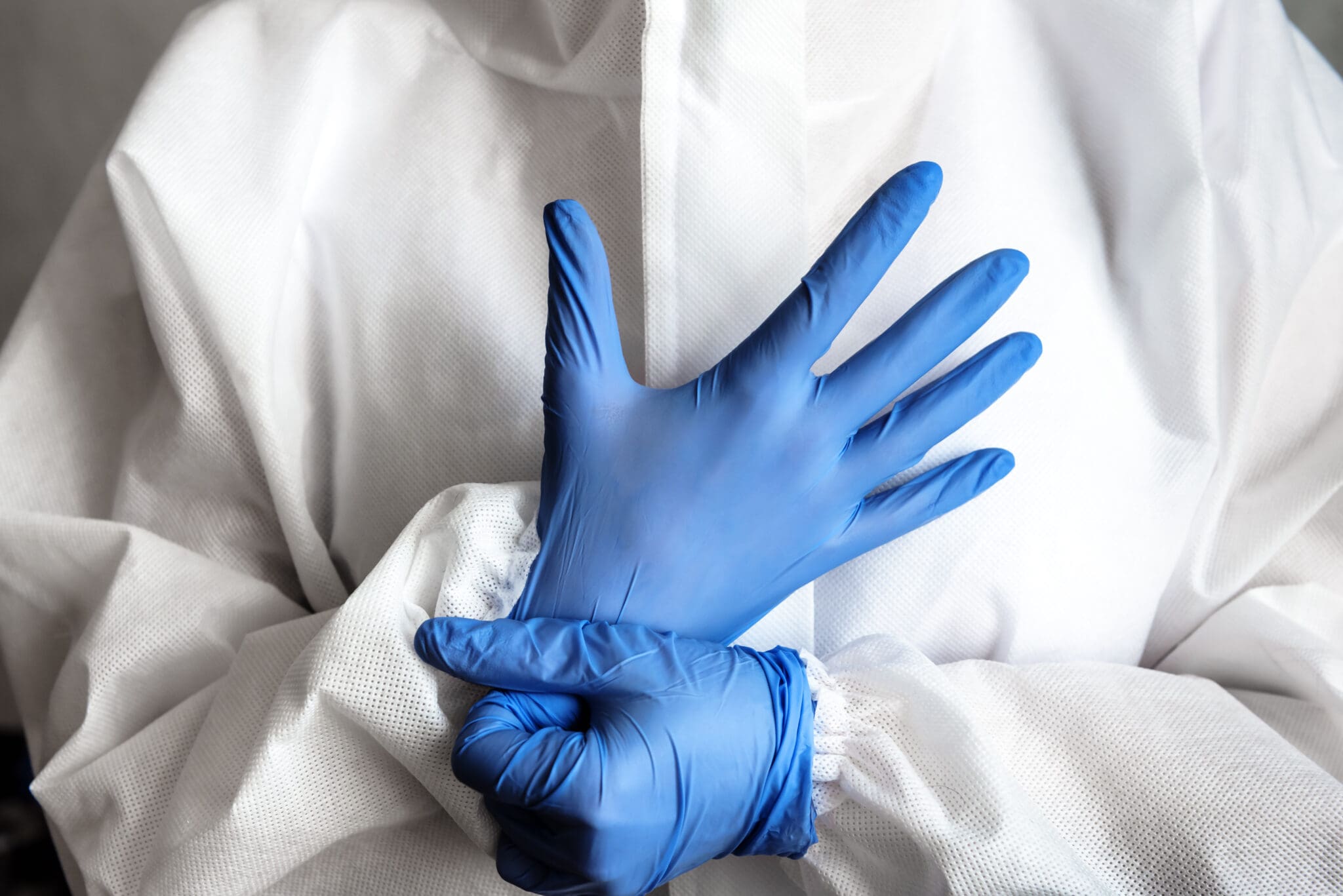
When to Wear a Fluid-Resistant Mask
Fluid-resistant surgical masks are mainly used to reduce transmission of respiratory droplets and to protect the wearer from splashes to the nose and mouth. In care settings, they are most relevant when caring for people with new respiratory symptoms, during respiratory outbreaks, or when you are doing tasks where you may be coughed on at close range.
A fluid-resistant mask may be appropriate when:
- A resident has a cough, fever, sore throat, runny nose or other respiratory symptoms and you need to provide close personal care.
- There is a respiratory outbreak in the home and your local IPC advice recommends mask use in affected areas.
- You are providing care that involves close face-to-face contact, such as oral care, where coughing or secretions could occur.
- You are undertaking a task with splash risk to the mouth or nose, and eye protection is also considered.
Masks need to fit well to work properly. A loose mask that gaps at the sides is uncomfortable and encourages repeated touching and adjusting. Encourage staff to choose a mask style that fits their face, and remind them that masks are single-use unless your local policy states otherwise for extended use in defined outbreak conditions.
Mask wearing habits that keep it effective
- Put it on before you start care, not halfway through.
- Avoid touching the front during use.
- Replace it if it becomes damp, torn or visibly contaminated.
- Remove it by the straps only.
- Clean hands after removing it.
For policy alignment, many services refer to Department of Health & Social Care infection prevention and control guidance, which sets out principles for PPE selection based on risk assessment in health and care settings.
When to Wear an FFP3 Respirator
FFP3 respirators provide a higher level of filtration than surgical masks. They are used when there is risk from airborne particles or where guidance recommends higher respiratory protection. In care settings, respirators are most commonly discussed during respiratory outbreaks, particularly when caring for people with infections that spread more easily through the air or during tasks that can generate aerosols.
The key points for respirators are fit testing, training and correct use. An FFP3 respirator that does not fit is not doing its job. Fit testing is not optional. It is an essential safety control. The HSE guidance on fit testing explains why and what employers need to do.
You may need an FFP3 respirator when:
- You are carrying out, or present during, an aerosol generating procedure and your local guidance specifies FFP3 protection.
- You are caring for a resident with a respiratory infection where specific risk assessment or public health advice indicates respirator use.
- You are working in a cohort area where enhanced respiratory protection is recommended.
In many care homes, aerosol generating procedures are uncommon. However, visiting clinicians may carry them out, and some residents may have care that increases aerosol risk. This is why it matters that managers know where to get timely advice and have a plan for fit testing and stock.
Practical respirator basics for staff
- Check it is the correct model you were fit tested for.
- Perform a seal check every time you put it on.
- Do not wear it with facial hair that breaks the seal.
- Do not hang it around your neck between tasks.
- Remove it by the straps only and clean your hands afterwards.
If you are unsure whether a task requires a respirator, do not guess mid-care. Escalate to your senior, follow local IPC advice, and use a risk assessment approach. Guessing leads to inconsistent practice and stress on staff.
Eye Protection: When It’s Required
Eye protection is often forgotten, yet eyes are a route for infection when droplets or splashes occur. In care work, splash risk is not rare. Think about vomiting, coughing fits during oral care, suctioning by visiting professionals, cleaning toilets, changing heavily soiled pads, and managing wound exudate.
Eye protection is required when there is a realistic risk of splash or spray to the eyes. It may also be required as part of transmission-based precautions during outbreaks, depending on the organism and the care being delivered.
Eye protection includes:
- Goggles that fit snugly and protect from the sides.
- Visors that cover the full face, and which are often more comfortable for staff who wear glasses.
The choice should match the task. Visors are often better for high splash risk. Goggles can be better when you need to lean in closely and want fewer gaps.
How to keep eye protection safe and usable
- Choose a style that is comfortable and does not slip.
- Avoid touching the front during use.
- If reusable, clean and disinfect according to your local procedure after each use.
- Store clean eye protection in a clean, dry area, not loose in drawers with used items.
If you are creating local training, it can help to show staff a simple splash-risk list in the PPE area. When people can see examples, they are more likely to choose eye protection before a problem happens rather than after.
Hand Hygiene Points During PPE Use
Hand hygiene is the glue that makes PPE safe. If PPE is the barrier, hand hygiene is the reset button. Many PPE errors become less harmful when hand hygiene is done at the right moments, because it breaks the chain of transfer.
There are three hand hygiene points that matter most during PPE use: before donning, between doffing steps, and after disposal. If you hit those, you will prevent most self-contamination.
Essential hand hygiene points
- Before you put PPE on: Clean hands before touching clean PPE.
- After removing gloves: Gloves leak sometimes, and removal contaminates hands easily.
- After removing apron or gown: Hands often touch ties or the front by accident.
- After removing eye protection: You may have touched the sides or strap.
- After removing mask or respirator: You have been close to your face.
- After disposing of PPE: Bins and bin lids are high-touch items.
- Before touching clean equipment: Observations equipment, medicine trolleys, clean linen.
- Before leaving the care area: So you do not carry germs to the next room.
A simple way to embed this is to teach staff that glove removal is never the end. Gloves off means hand hygiene happens next, automatically. It also helps to place alcohol rub where doffing happens, not just at entrances.
For technique reminders and posters, the WHO hand hygiene resources are easy to adapt for staff areas.
How to Put on Gloves Properly
Putting gloves on seems basic, yet poor technique causes two common problems: gloves tear, and they become contaminated before the task even begins. Both reduce protection and can lead to extra glove changes mid-care, which increases waste and the risk of mistakes.
The key is to put gloves on with clean, dry hands. If hands are still wet from alcohol rub, gloves can be harder to pull on and more likely to tear. Wait until your hands are fully dry.
Step-by-step: putting on gloves properly
- Choose the correct size
Gloves should feel snug but not tight. You should be able to move your fingers easily. - Check for damage
If a glove looks torn or has a hole, discard it. - Put on the first glove by the cuff
Avoid touching the palm and fingers of the glove as much as possible. - Put on the second glove by the cuff
Again, handle by the cuff. - Adjust at the wrist only
Avoid tugging at the fingertips, which can weaken the material. - If wearing a gown, pull the glove over the cuff
This reduces skin exposure.
Gloves are not a licence to touch everything. Before starting care, do a quick glance around and remove unnecessary items from reach, such as your phone, pens and keys. This reduces the temptation to touch personal items during care.
How to Remove Gloves Safely
Glove removal is the most important PPE skill in everyday care. You can do everything right, then contaminate your hands in one second if you peel gloves off incorrectly.
The safest technique is often called ‘glove-in-glove’. It keeps the contaminated outside surface folded inward.
Step-by-step: safe glove removal
- Pinch the outside of one glove at the wrist
Use the other gloved hand. Do not pinch skin. - Peel the glove away from the hand
Turn it inside out as you pull, keeping the contaminated surface inside. Hold the removed glove in the still-gloved hand. - Slide fingers of the ungloved hand under the cuff of the remaining glove
Do not touch the outside of the glove. - Peel the second glove off from the inside
Turn it inside out over the first glove, creating a neat ‘bag’ of both gloves. - Dispose immediately
Drop straight into the appropriate bin without carrying it around. - Hand hygiene immediately
Clean hands straight away, even if you think you did it perfectly.
Two small details make a big difference. First, keep your hands above waist level during removal, so you do not brush gloves against your apron or uniform. Second, avoid snapping motions. Gentle peeling reduces spread.
If gloves are heavily contaminated or you are double gloved (only when trained and indicated), removal may be slightly different. In those cases, follow your local protocol and ensure staff have practised it.
How to Remove an Apron or a Gown Safely
Aprons and gowns protect your uniform, which then protects you, other residents and your setting environment. The outside is considered contaminated after care tasks, especially after continence care, wound care or cleaning.
The two goals during removal are: avoid touching the front, and roll the contaminated surface inward.
Removing a disposable apron safely
- Break the neck strap and then the waist ties
If it is tied, untie carefully without flapping the apron. - Lean slightly forward
This helps the apron fall away from your body. - Pull the apron away from the body by the inside surfaces
Touch the inside near the shoulders, not the front. - Roll it inward
Roll from top to bottom so the contaminated front is trapped inside. - Dispose immediately
Put it straight into the correct bin. - Hand hygiene
Clean hands after removal.
Removing a gown safely (if worn)
Gown removal depends on the gown design. A common safe approach is to undo the ties, peel the gown away from your shoulders, and turn it inside out as you remove it. Avoid letting the sleeves drag across your uniform. If the gown has cuffs and you wore gloves over them, remove gloves first, clean hands, then remove the gown carefully, and clean hands again.
If staff struggle with gown removal, practise with clean gowns in a short skills session. It only takes 10 minutes, and it prevents real-world errors later.
How to Remove a Mask Safely
Masks and respirators sit close to your face, so removal needs extra care. The front of the mask is considered contaminated. The straps are the safe handling points.
Removing a fluid-resistant surgical mask safely
- Hand hygiene first
Clean hands before you touch the straps. - Avoid touching the front
Keep fingers away from the mask surface. - Remove by the straps
Use ear loops or untie lower ties first, then upper ties, depending on mask type. - Dispose immediately
Drop straight into the correct bin. - Hand hygiene again
Clean hands after disposal.
Removing an FFP3 respirator safely
Respirators should be removed using the method you were trained in, typically lifting the bottom strap first, then the top strap, and moving the respirator away from the face without touching the front. Do not let it snap. Once removed, dispose of it if single-use, or handle it according to local guidance if it is a reusable model.
A common mistake is to pull masks down under the chin between tasks. This contaminates the inside of the mask and increases risk when you pull it back up. If the mask needs to come off, take it off properly and replace it when needed.
For managers building training, the HSE guidance on RPE use and maintenance is a useful reference when you design respirator processes.
Where to Dispose of Used PPE
Disposal sounds simple, yet it often causes contamination because bins are poorly placed or staff remove PPE in corridors. The aim is immediate disposal in the right place, with hand hygiene afterwards.
In most care settings, single-use PPE such as gloves, aprons and masks goes into the appropriate waste stream as defined by your waste contractor and local policy. If PPE is heavily contaminated with body fluids, it may require a specific stream. The exact colour coding and waste categories vary by local arrangements, so staff should follow the setting’s signage and training rather than make assumptions.
Good disposal practice on shift
- Dispose of PPE at the point of removal, not later.
- Avoid placing PPE on surfaces such as trolleys or windowsills.
- Use bins with foot pedals where possible to reduce hand contact.
- Do not push waste down with your hands.
- Replace bins before they are overfilled, because overfilled bins increase accidental contact.
Placement matters. If bins are only in bathrooms, staff will walk with used PPE in their hand. If bins are right at room exits and in key working areas, staff can do the right thing without extra steps.
For staff who work in home care, disposal can be more complicated. Follow your organisation’s procedure for bagging and removing PPE from the property safely and respectfully. Ensure hand hygiene is still possible and keep clean and used items separated during transport.
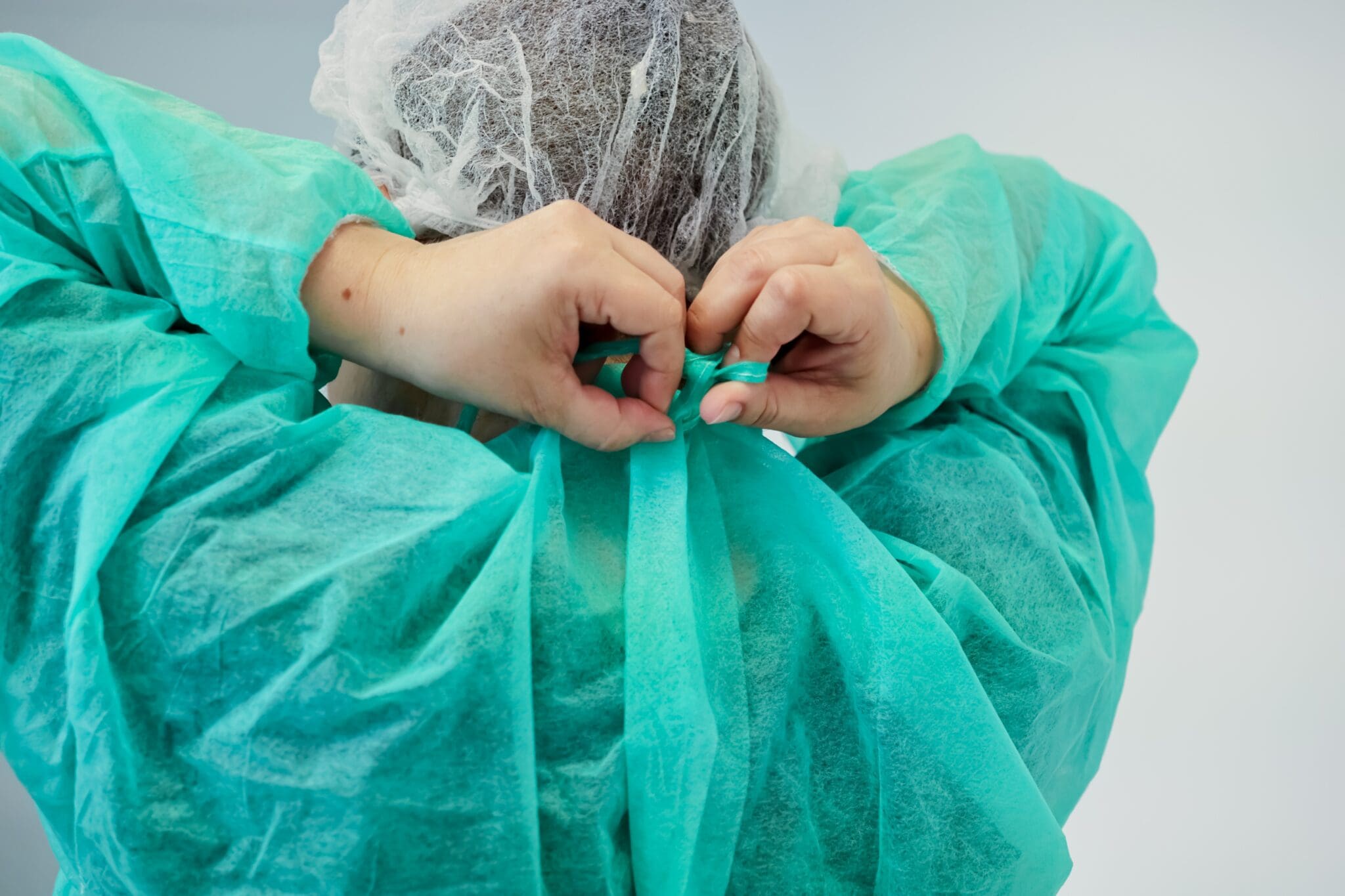
Common Donning and Doffing Mistakes
Most PPE mistakes are not caused by lack of effort. They are caused by habits, time pressure, and unclear local rules. The good news is that the same small set of mistakes show up repeatedly, so coaching can be focused.
Common donning mistakes
- Skipping hand hygiene before donning: Clean PPE becomes contaminated before it is even worn.
- Putting gloves on too early: Staff then touch doors, phones, pens and clean equipment with gloved hands.
- Incorrect mask fit: Gaps lead to constant adjustment and face touching.
- Forgetting eye protection: Staff remember it only after a splash happens.
- Choosing the wrong size gloves: Tears, discomfort and wasted time.
Common doffing mistakes
- Removing PPE in the wrong place: Staff walk into corridors with used gloves or aprons.
- Touching the front of the mask: This transfers contamination to hands and face.
- Skipping hand hygiene between steps: The most frequent cause of self-contamination.
- Snapping apron ties: This can disperse contamination and flick it onto uniform.
- Carrying used PPE to another bin: Creates contamination trails.
- Leaving a mask under the chin: Contaminates the inside and increases risk.
System mistakes managers can fix quickly
- PPE stations are not where the work happens.
- Alcohol rub is not placed at doffing points.
- Posters exist but do not match local practice.
- Staff are told ‘wear PPE’ but not told the exact sequence.
- Agency staff are not inducted into the setting’s PPE routine.
A strong coaching approach is simple and kind. Correct in the moment, using the shared sequence language, and then thank staff for adjusting. People improve faster when feedback feels safe.
PPE Posters and Training Checklist
Posters are useful when they match what staff are expected to do. A poster that shows one order while training teaches a different order creates confusion and increases mistakes. The best poster is short, visual and placed exactly where the decision happens.
If you want reputable poster sources to adapt, the Department of Health & Social Care infection prevention and control resources and the WHO hand hygiene posters are good starting points. For respirator programmes, the HSE respiratory protective equipment guidance supports fit testing and safe use expectations.
Training checklist for PPE competence (care homes, home care, community)
Use this as a competence record for staff induction, refreshers and audits. It works well as a short observed practice, followed by a few questions. Keep it supportive, not punitive. The aim is safe practice, not catching people out.
Core competence areas
- Risk assessment: Staff can explain which tasks need gloves and aprons, and which do not.
- Donning sequence: Staff can don in the correct order without prompts.
- Doffing sequence: Staff can doff slowly in the correct order with hand hygiene at the right points.
- Glove removal technique: Staff use the glove-in-glove method without contaminating hands.
- Mask handling: Staff remove masks by the straps only and avoid touching the front.
- Eye protection handling: Staff remove and store reusable eye protection correctly.
- Waste disposal: Staff know where to dispose of PPE in their work area and do so immediately.
- Common errors awareness: Staff can name at least three common mistakes and how to avoid them.
- Outbreak adjustments: Staff can describe what changes during vomiting and diarrhoea outbreaks and during respiratory outbreaks.
- Escalation: Staff know what to do if PPE supplies run low or if they think a resident has an infectious illness.
Suggested observation method
- Observe a staff member don PPE before a realistic care task.
- Observe safe doffing at the end, including hand hygiene points.
- Ask two quick questions: “Why is this order safest?” and “What mistake is most likely when you are busy?”
- Record outcome as competent, needs coaching or requires retraining.
- Recheck in 2-4 weeks if coaching was needed.
Audit-friendly evidence tips
- Record dates, assessor name and which PPE items were included.
- Keep a simple training matrix by unit and role.
- Include agency and bank staff in the process.
- Store local poster versions with review dates so you can show they are kept current.
- Link PPE competence records to outbreak reviews, showing that learning is acted on.
The most effective training is short and frequent. A five-minute refresher at the start of a shift, focused on one item like glove removal, can improve technique more than an annual classroom session.
Conclusion
Good PPE technique is not about perfection. It is about a reliable routine that prevents self-contamination when the shift is busy. Donning works best when you prepare, clean hands and put PPE on in a consistent order. Doffing is the critical safety moment. Remove PPE slowly, touch straps and ties instead of contaminated fronts, and build hand hygiene into every step.
If you take one thing from this guide, make it this sequence: gloves off, clean hands, apron off, clean hands, eyes off, mask off, clean hands. Combine that with sensible PPE choices, clear disposal points and quick competence checks, and you will reduce transmission risk, protect staff and residents, and strengthen your evidence for training, audits and inspections.