In this article
A phobia goes beyond not liking something or feeling nervous about it. It’s a marked and persistent fear that causes you to feel distressed and actively avoid the thing. The National Institute for Health and Care Excellence (NICE) recognises phobias as part of the spectrum of anxiety disorders, and they can be diagnosed when the symptoms interfere significantly with daily life.
A phobia is an enduring condition. For diagnosis, clinicians look for patterns: has the person experienced severe anxiety in relation to the object or situation for six months or more? Has this fear disrupted work, school or relationships? Does exposure to the feared trigger almost always provoke panic or an immediate physiological response (like sweating or shaking)?
Phobias are divided into three broad categories:
- Specific phobias – fears related to a particular object or situation (e.g., spiders, needles, heights).
- Social phobia (social anxiety disorder) – fear of social interaction, judgement or humiliation.
- Agoraphobia – fear of being in places where escape feels difficult or impossible, often tied to panic disorder.
In the UK, around 10 million people are thought to have a phobia. They often begin in childhood or adolescence, though adult onset is also possible.
The difference between fear and phobia
Everyone experiences fear. It’s a natural biological reaction to threat, ensuring survival by priming the body to fight, flee or freeze. However, phobias distort this normal process, exaggerating danger signals and attaching them to things that may pose little or no real risk.
For example, a person may feel their stomach lurch while standing on a tall building balcony – a rational fear that heightens caution. Or, if they have acrophobia, they may feel the same overwhelming panic at the thought of climbing a stepladder, avoiding the activity entirely, even though it’s safe.
Key differences include:
- Proportionality – fear matches the level of threat, but a phobia does not.
- Duration – fear subsides when danger passes, but a phobia persists long after.
- Impact – fear motivates caution, while a phobia restricts daily life and choices.
- Control – fear can often be rationalised, whereas a phobia resists logic and reassurance.
This distinction is important not only for diagnosis but also for compassion: someone with a phobia can’t just “snap out of it”, as their brain and body are hardwired to respond with alarm.

How phobias develop: Nature, nurture and trauma
The origins of phobias are complex. Psychological theories, neuroscience and evolutionary biology each offer insights, but in reality, most phobias develop from a mix of these influences.
Genetic predisposition
Studies of twins suggest that specific phobias can run in families.
For example, identical twins separated at birth are more likely than fraternal twins to share similar fears. This points to heritable traits in how the brain processes fear, particularly in the amygdala – the region responsible for detecting threats and triggering fight-or-flight responses.
Conditioning and learning
Psychologist John Watson’s famous “Little Albert” experiment in 1920 demonstrated how fears could be conditioned. By pairing a loud noise with a white rat, the infant developed a lasting fear of furry animals.
In real life, similar associations occur. A child bitten by a dog may later develop cynophobia, while a person who experienced getting trapped in a lift may form claustrophobia.
Vicarious learning
Not all phobias come from direct trauma. Children observing a parent’s fearful reaction can “inherit” the same fear.
For instance, if your father shrieked whenever he saw a spider when you were a child, you might have “learned” that spiders are dangerous and respond with fear.
Trauma and stress
Phobias can also arise after significant stress or trauma, even if unrelated to the object itself. A person who is already anxious following bereavement or redundancy may develop a seemingly unrelated phobia because they are more vulnerable at this time.
Cultural influences
Certain societies place emphasis on specific dangers, shaping the phobias that emerge.
In rural areas of Africa or Asia, snake and insect phobias are more prevalent. In urban UK environments, fears around lifts or crowded trains may dominate.
Evolutionary psychology
Phobias may be extreme versions of adaptive responses. From an evolutionary standpoint, humans who were cautious around snakes, spiders or heights were more likely to survive.
Interestingly, phobias are disproportionately focused on ancient dangers (animals, darkness, storms) rather than modern threats (cars, electricity, pollution). This suggests our brains are “wired” to overreact to survival threats faced by early humans, even if they are no longer common in daily life.
Arachnophobia: Fear of spiders
Arachnophobia is one of the most prevalent phobias in the UK. A YouGov survey found that around 21% of Britons report discomfort or fear around spiders, with women more likely to be affected than men.
Despite the UK’s lack of dangerous spiders – the false widow being the only mildly venomous resident – arachnophobia can provoke intense panic. Symptoms include racing heartbeat, sweating, nausea and urgent need to flee the room.
But why are spiders so fear-inducing?
- Evolutionary roots – early humans who avoided venomous spiders were more likely to survive, so this caution may have been passed down over time.
- Unpredictable movement – the way spiders move suddenly or drop without warning can trigger the body’s startle response. They also hide away, giving you a shock when you come across one unexpectedly.
- Cultural portrayal – films, stories and Halloween imagery often cast spiders as frightening, reinforcing fear from an early age.
The Natural History Museum has launched public campaigns to challenge common myths about spiders and promote understanding. Exposure-based therapy has also proven effective for many people – beginning with looking at photos, then observing a spider in a jar, and eventually handling one under supervision.
Acrophobia: Fear of heights
Acrophobia, or fear of heights, goes beyond sensible caution. It can strike when someone looks out of a high-rise window, crosses a footbridge or even watches height-related scenes on TV.
Symptoms include dizziness, sweating, nausea, trembling or feeling “pulled” towards the edge. In severe cases, sufferers avoid tall buildings, mountains, escalators and even certain holiday destinations.
Explanations for acrophobia:
- Vestibular dysfunction – some research links acrophobia to imbalances in the inner ear’s vestibular system, which governs balance and spatial orientation, making heights feel physically unstable.
- Survival instinct – avoiding high places reduces fall risk and would have offered an evolutionary advantage by keeping early humans out of danger.
- Trauma – a childhood fall or frightening experience involving height can create lasting associations of fear and danger, leading to lifelong acrophobia.
Exposure therapy is often structured as a gradual “fear hierarchy”. For example:
- Looking at photos of mountains
- Watching a video filmed from a skyscraper
- Standing near a first-floor window
- Climbing a ladder
- Visiting a tall building
Virtual reality (VR) technology has been particularly effective in treating acrophobia, allowing individuals to practise “standing” on tall ledges in a safe therapeutic setting.
Claustrophobia: Fear of enclosed spaces
Claustrophobia is among the most disabling phobias because confined spaces are common in daily life – lifts, trains, tunnels and even medical procedures like MRI scans.
People may feel suffocated and experience chest pain, dizziness or a full panic attack. Avoidance behaviours may include refusing to use underground trains, choosing stairs over lifts regardless of the floor or avoiding travel altogether.
Claustrophobia is often linked to early childhood experiences, such as being accidentally locked in a cupboard or bullied in enclosed areas. Adults may also develop it after being trapped in lifts or experiencing turbulence in planes.
In the UK, Transport for London has acknowledged claustrophobia as a barrier for people using the tube. It provides journey planning tools that minimise long underground stretches.
Agoraphobia: Fear of open or crowded places
Agoraphobia is sometimes mistaken for a fear of open spaces. In reality, it’s the fear of being in situations where escape might be difficult or support hard to reach during a panic episode.
Sufferers may avoid:
- Public transport such as buses or the London Underground.
- Shopping centres or supermarkets.
- Crowded events like concerts or football matches.
- Even leaving the house at all, as it’s a space of comfort.
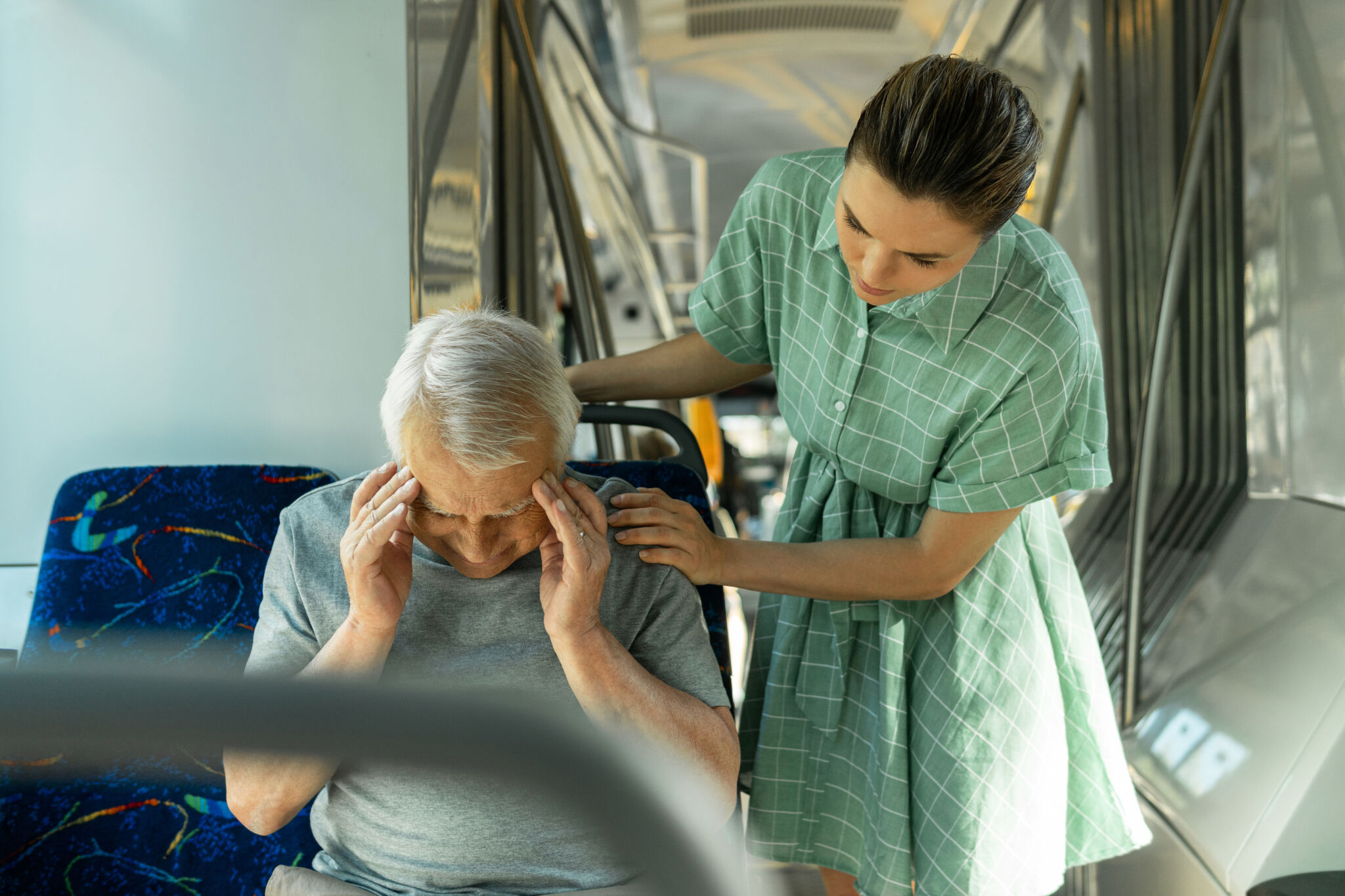
Agoraphobia is often linked to panic disorder. After experiencing panic attacks in public, people may begin avoiding places where they fear they could happen again. Over time, avoidance builds until their “safe zone” becomes smaller and smaller.
Full agoraphobia is thought to affect less than 1% of the population, and it typically becomes apparent in early adulthood (between 18 and 30 years). It is rare for it to develop any later than that.
Social phobia: Fear of social situations
Also known as social anxiety disorder, social phobia is more than shyness. It’s the fear of embarrassment, humiliation or negative judgement in social interactions.
Here are some of the common triggers:
- Speaking in public
- Eating or drinking in front of others
- Meeting new people
- Making small talk with strangers
Physical symptoms often include blushing, sweating, trembling, dry mouth and difficulty speaking.
Left untreated, social phobia can be deeply disabling and prevent people from fully engaging in life. Students may drop out of education to avoid presentations, employees may turn down promotions and relationships may suffer.
In the UK, Mind and Social Anxiety UK offer group programmes where sufferers practise exposure in supportive environments, helping them to gradually rebuild confidence.
Trypanophobia: Fear of needles
It’s certainly not uncommon to be uncomfortable with needles, but trypanophobia can prevent people from seeking healthcare entirely. This phobia is particularly significant in the UK, where vaccination programmes are central to public health.
Trypanophobia has serious health impacts:
- Avoidance of childhood immunisations
- Refusal of flu or COVID-19 vaccines
- Refusal of the vaccinations needed to travel abroad safely
- Reluctance to undergo blood tests, which are often key to diagnosing medical conditions
The NHS has recognised needle phobia as a barrier, especially during mass vaccination drives. Some clinics now offer:
- Distraction techniques, such as virtual reality headsets
- Numbing creams to reduce discomfort
- Trained staff in “needle anxiety” clinics
Emetophobia: Fear of vomiting
Emetophobia, the fear of vomiting or of others vomiting, is less well known but extremely debilitating. It can interfere with eating, travel, pregnancy and childcare.
It has several behavioural impacts:
- Restricting diet to “safe” foods perceived as low risk of causing vomiting
- Avoiding pubs, restaurants or gatherings where alcohol might be consumed
- Fear of pregnancy due to the possibility of experiencing morning sickness
- Avoiding children in case of exposure to illness
- Avoiding planes or buses where people are more likely to vomit
Many sufferers report that the fear dominates their lives more than the act itself ever could. Treatments often focus on breaking avoidance patterns and challenging catastrophic thoughts (“If I vomit, I’ll lose control completely”).
Aviophobia: Fear of flying
Air travel is statistically one of the safest forms of transport, yet aviophobia is widespread. In the UK, one in 10 people is thought to have this phobia, experiencing crippling fear.
Here are some typical triggers:
- Turbulence
- Take-off and landing
- Media reports of crashes or terrorism
- Lack of control in an enclosed space
Many airlines offer dedicated courses that help people overcome aviophobia. British Airways runs “Flying with Confidence”, a one-day course that combines classroom education about aviation safety with supervised short flights. This course has a success rate of 98%. EasyJet offers its Fearless Flyer course, which is similar.
Rare but real: Less common phobias
Not all phobias are mainstream. Many rare phobias attract curiosity but are poorly understood. For those affected, the suffering is no less real. Here are some examples:
- Coulrophobia – fear of clowns, often reinforced by horror films or unsettling make-up
- Nomophobia – fear of being without a mobile phone (increasingly relevant in today’s digital society)
- Globophobia – fear of balloons, often linked to loud popping sounds
- Chorophobia – fear of dancing, stemming from performance anxiety or traumatic experiences
- Lepidopterophobia – fear of butterflies
Cognitive and behavioural treatments
Phobias are highly treatable, with several psychological approaches proving effective.
Cognitive behavioural therapy
CBT helps individuals identify irrational beliefs (“all lifts will get stuck”) and replace them with balanced, reasonable thoughts (“most lifts are safe and well-maintained”).
Virtual reality therapy
VR programmes now allow realistic simulations of triggers such as flying or public speaking, which have been shown to be effective within NHS services and private clinics.
Medication
Though not a first-line treatment, beta-blockers or antidepressants may be prescribed for severe phobias, especially when linked with panic disorder.
Gradual exposure
Gradual exposure, sometimes called systematic desensitisation, is one of the most widely used and scientifically supported methods for treating phobias.
At its core, the approach is based on the principle that avoidance strengthens fear, whereas safe and repeated exposure reduces it. By slowly and systematically confronting the feared object or situation, individuals learn that the catastrophic outcomes they expect rarely, if ever, occur. This realisation causes the fear to ease over time.
This method has its roots in behavioural psychology. Joseph Wolpe, a South African psychiatrist in the 1950s, first formalised the concept of systematic desensitisation. His work showed that pairing relaxation techniques with exposure to a feared stimulus could reduce anxiety dramatically.
Today, gradual exposure remains a cornerstone of phobia treatment, often delivered within CBT frameworks.
The key stages of gradual exposure:
- Learning relaxation and coping skills – before exposure begins, individuals are taught methods to manage anxiety. Mastering these tools gives people confidence to face their phobia without becoming overwhelmed. These skills might include:
- Controlled breathing
- Progressive muscle relaxation
- Mindfulness techniques
- Grounding strategies
- Creating a fear hierarchy – a “fear ladder” is drawn up, listing situations from least to most frightening. Each step should feel challenging but achievable. The hierarchy breaks the phobia into manageable stages so that progress feels gradual, not overwhelming. For example, someone with cynophobia (phobia of dogs) might create the following hierarchy:
- Looking at cartoon images of dogs
- Viewing real photographs of dogs
- Watching videos of calm dogs
- Standing at a distance from a dog on a lead
- Being in the same room as a dog
- Touching a calm, small dog while supported by the therapist
- Walking a dog on a lead in a park
- Step-by-step exposure – beginning with the least anxiety-provoking item, the individual confronts each step until their anxiety eases. This may take several sessions. Through repetition, the brain relearns that the stimulus isn’t dangerous, gradually extinguishing the phobic response. Only when they feel comfortable with one stage do they move to the next. Exposure can be:
- Imaginal exposure – visualising the feared situation in detail
- Virtual exposure – using virtual reality for scenarios like flying or public speaking
- In vivo exposure – real-world confrontation with the feared object or place
Why does gradual exposure work?
Phobias persist largely because avoiding the thing prevents you from learning that it’s safe. For example, if you have claustrophobia, you may avoid lifts entirely. While this brings short-term relief, it stops you from learning that lifts are generally safe and that your anxiety would naturally decline if you remained inside one. Exposure interrupts this cycle.
Repeated safe exposure helps the brain:
- Habituate – anxiety peaks initially but reduces with time spent in the situation.
- Relearn associations – the feared object or context no longer signals certain danger.
- Build mastery – each success strengthens confidence, making the next step easier.
In the UK, gradual exposure is a key component of NHS talking therapies programmes for anxiety disorders. It’s cost-effective and evidence-based, and it empowers individuals to take back control of their lives.
While it requires effort and commitment, the results can be life-changing: people who once felt trapped by irrational fear can often go on to travel, work and socialise with confidence.